If you're selling a South Bay home built before 1985, expect the buyer's inspector to look hard at the sewer lateral. In a rising share of Torrance, Redondo Beach, Manhattan Beach, and other South Bay sales, the buyer's side orders its own camera inspection before close — and if it finds a problem in the last two weeks of escrow, you negotiate with no time to get competing quotes.
A $250 sewer camera inspection before you list changes every piece of that equation. Here's why it's the best small-dollar decision most sellers can make.
The Torrance factor
It's worth clearing up a misconception here, because sellers ask about it constantly: no South Bay city requires a sewer lateral inspection before a property can change hands. Torrance doesn't, and neither do the surrounding cities. Torrance is distinctive for a different reason — the city holds the property owner responsible for the entire lateral, including the connection to the public sewer main in the street. There is no compliance certificate to obtain, but there is also nobody to split the repair with.
No South Bay city has a formal trigger at sale. What has changed is the market norm: buyer-side sewer inspection is becoming standard practice on pre-1985 homes, and the older your home and neighborhood, the more likely a camera goes down your lateral before close.
That means sellers benefit from knowing what's there before listing, regardless of whether the city formally requires it.
In most South Bay cities, the lateral runs from the house to the city connection point, which is typically at the property line or the center of the street depending on the municipality. Everything on your side of that connection is your responsibility.
Three scenarios, three outcomes
Scenario 1: You list without inspecting. The buyer's inspector cameras the lateral during their due diligence period and finds a problem. You're now 15 days from close, you have one quote (theirs, or the one they recommend), and you're negotiating under time pressure. Typical outcome: a credit anchored to the buyer's contractor's quote, or a rushed repair that costs more than it would have planned.
Scenario 2: You inspect before listing, find a problem, and disclose + credit. You get competing quotes on your timeline, typically closing the fix at the market rate (most flat-lot trenchless replacements run $5,000 to $11,000 — see our [trenchless sewer repair cost breakdown](/blog/trenchless-sewer-repair-cost-breakdown-south-bay)). You disclose the finding and either fix before listing (which supports your asking price) or credit the buyer at market rate without time pressure. Total cost: the market rate repair, often lower than the buyer-pressured version.
Scenario 3: You inspect before listing and the line is clean. You market the property with a recent documented sewer inspection — a positive signal to buyers and their inspectors, often reducing the chance they'll re-inspect during escrow. The $250 inspection becomes a small marketing advantage.
What a pre-listing inspection actually tells you
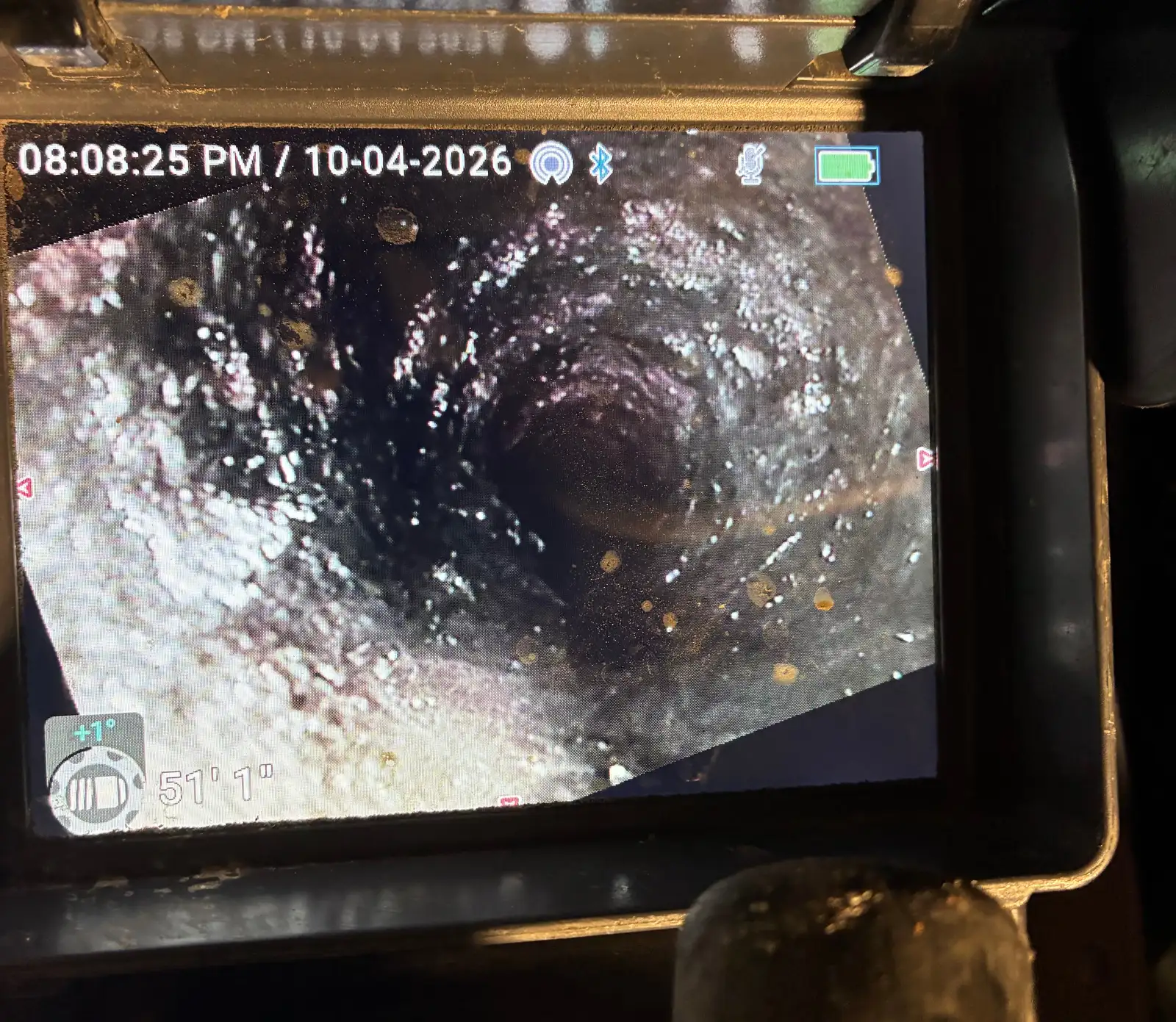
A 30–45 minute camera inspection produces HD video of the full lateral from the house cleanout to the city main, plus a written report with any defects noted. The report covers:
Pipe material and age indicators — clay, cast iron, orangeburg, PVC, or transitions between materials. Age-related material conditions are often the first thing a buyer's inspector flags.
Root intrusion at specific joints, with depth and location markers. Minor root intrusion is common and often not an immediate repair trigger; severe root intrusion is.
Belly traps (low spots that pool sewage), offsets (joint misalignment), and cracks.
Scale buildup, grease accumulation, or foreign material in the line.
Overall structural condition and estimated remaining service life.
What buyers' inspectors are finding: the South Bay has a large concentration of homes built between 1945 and 1975, when clay tile was the norm for sewer laterals. That pipe is now 50 to 80 years old, and its joints have been shifting with every earthquake, soil movement, and root intrusion cycle since.
In neighborhoods like Old San Pedro, Vinegar Hill, and the pre-war blocks of Old Gardena and Old Torrance, we routinely find laterals with multiple offset joints, active root intrusion, and sections that have partially collapsed. These aren't deferred-maintenance surprises. They're age-appropriate failures in pipes that were never designed to last 70 years. The issue is that they look fine from the street and feel fine to the homeowner right up until the camera proves otherwise.
What to do if the inspection finds a problem
Option A: Fix it before listing. This is the cleanest path in most cases. A trenchless replacement typically takes 1–3 weeks from first call to permit close-out. You list the property with the repair completed and documented, which supports your asking price and removes a potential buyer objection. Cost: the full market-rate repair, typically $5,000 to $11,000 for a standard flat-lot residential trenchless job.
Option B: Disclose and credit at close. Get 2–3 competing quotes on your timeline, disclose the finding in the listing materials, and negotiate a credit to the buyer at close equal to the low-to-mid quote. This works well when your timing doesn't allow a pre-listing repair, or when the property's list price benefits from being listed with the finding priced in rather than repaired.
Option C: Price the finding into the list price. For some properties — especially homes being sold as teardowns or fixer projects — a failing sewer lateral is already baked into how the property is priced. Disclosure is still required, but no credit negotiation happens.
Finding a problem doesn't mean tearing up the yard buyers will walk. Pipe bursting and cured-in-place lining — the two primary [trenchless sewer repair](/services/trenchless) methods — replace or rehabilitate a lateral through small access points, with no continuous trench. On tight Hill Section and Tree Section lots in Hermosa Beach and Manhattan Beach, trenchless is often the only practical repair method.
All three options are better than finding out about the problem during the buyer's inspection window with 15 days on the clock.
What to expect on the appointment
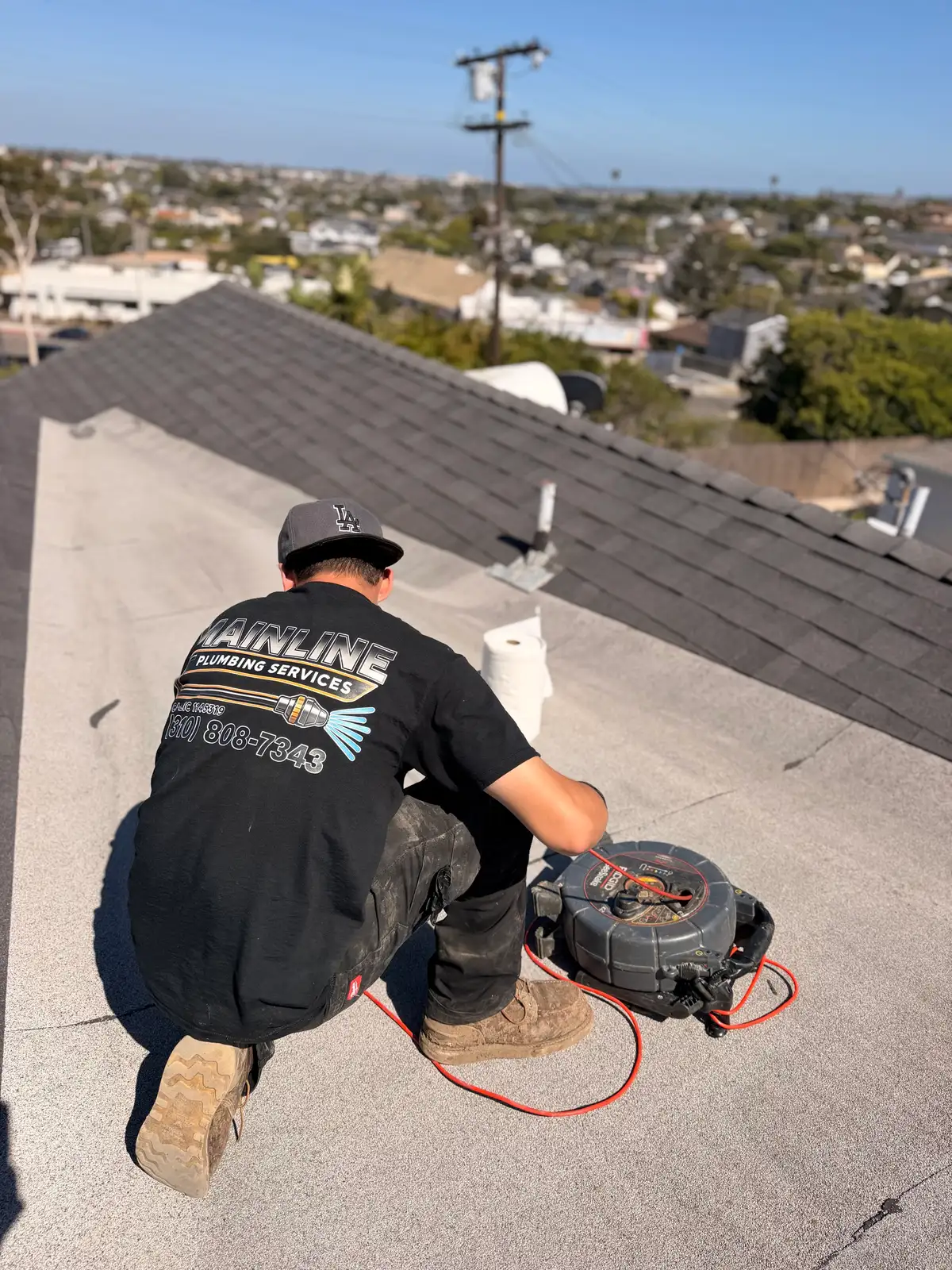
The technician arrives, locates your sewer cleanout (usually in the front yard near the house or in a utility closet), removes the cap, and advances an HD self-leveling [sewer camera inspection](/services/trenchless/camera-inspection) camera into the line. The camera transmits real-time video to a monitor, and the tech walks the camera to the city main while documenting any defects with depth and position markers.
Most inspections take 30–45 minutes on-site. If the line is too blocked for the camera to advance, we may need to snake or jet it first — in which case the appointment runs 60–90 minutes and there's a small additional charge.
You get the full HD video file on a USB drive or via email link, plus a written summary report, typically within 24 hours of the inspection. Both become part of your listing materials and your seller's disclosure file.
Pre-listing sewer inspection questions we hear most
**When is the best time to schedule it?** Four to six weeks before listing. That gives you time to get competing quotes on any repair and either complete it or fold it into your pricing strategy.
**What if I'm listing in two to four weeks?** Still enough time for a planned trenchless repair if one is needed, though with less room to compare quotes.
**Is it worth doing once the house is already listed?** Yes. Even if the buyer re-inspects, having your own documented inspection gives you leverage and a baseline to compare against.
**When is it too late?** During the buyer's inspection window. At that point you're reacting to their report instead of working from your own.
The bottom line
A sewer camera inspection before listing your South Bay home is cheap information that transforms a potential escrow disaster into a managed process. The cost ($275–$395) is a rounding error on the transaction. The downside of not inspecting — a buyer-pressured credit or a rushed repair — is real.
For sellers with homes built before 1985, this is one of the highest-ROI small dollar decisions available in the prep-to-list process. Call us and we'll schedule it in the next few days — no pressure, no obligation to repair if the line is clean, and the video is yours to keep regardless.
Call (310) 808-7343 and we'll schedule it in the next few days. Mainline No-Dig Trenchless Plumbing, Licensed C-36 #901735, serves all 16 South Bay cities.
Frequently Asked Questions
Does Torrance or any South Bay city require a sewer inspection before selling?
No. No South Bay city we serve has a point-of-sale sewer lateral requirement. What Torrance does is hold the property owner responsible for the entire lateral, including the connection to the public main — so a problem a buyer's inspector finds is still the owner's to fix.
How long does a pre-listing sewer inspection take?
Most take 30–45 minutes on site. You receive the full HD video and a written summary report, typically within 24 hours, and both can go into your listing materials and disclosure file.
Tags