Low water pressure is one of the most misdiagnosed plumbing problems a homeowner can face — not because it's complicated, but because the symptom looks the same regardless of cause. A shower that barely rinses shampoo out could mean a $5 aerator fix or a $12,000 whole-house repipe. The difference is in the pattern.
The key distinction is scope: is the pressure drop happening at every fixture in the house, or only at specific ones? Does it happen only in the morning, or all day? Did it start gradually over months, or did it drop overnight? Those three questions cut the six most common causes down to one or two candidates before you touch a wrench.
What follows is a ranked diagnostic sequence — ordered by how frequently each cause shows up in South Bay homes — so you can work from most likely to least likely rather than guessing.
Cause 1: Galvanized supply corrosion (most common in older homes)
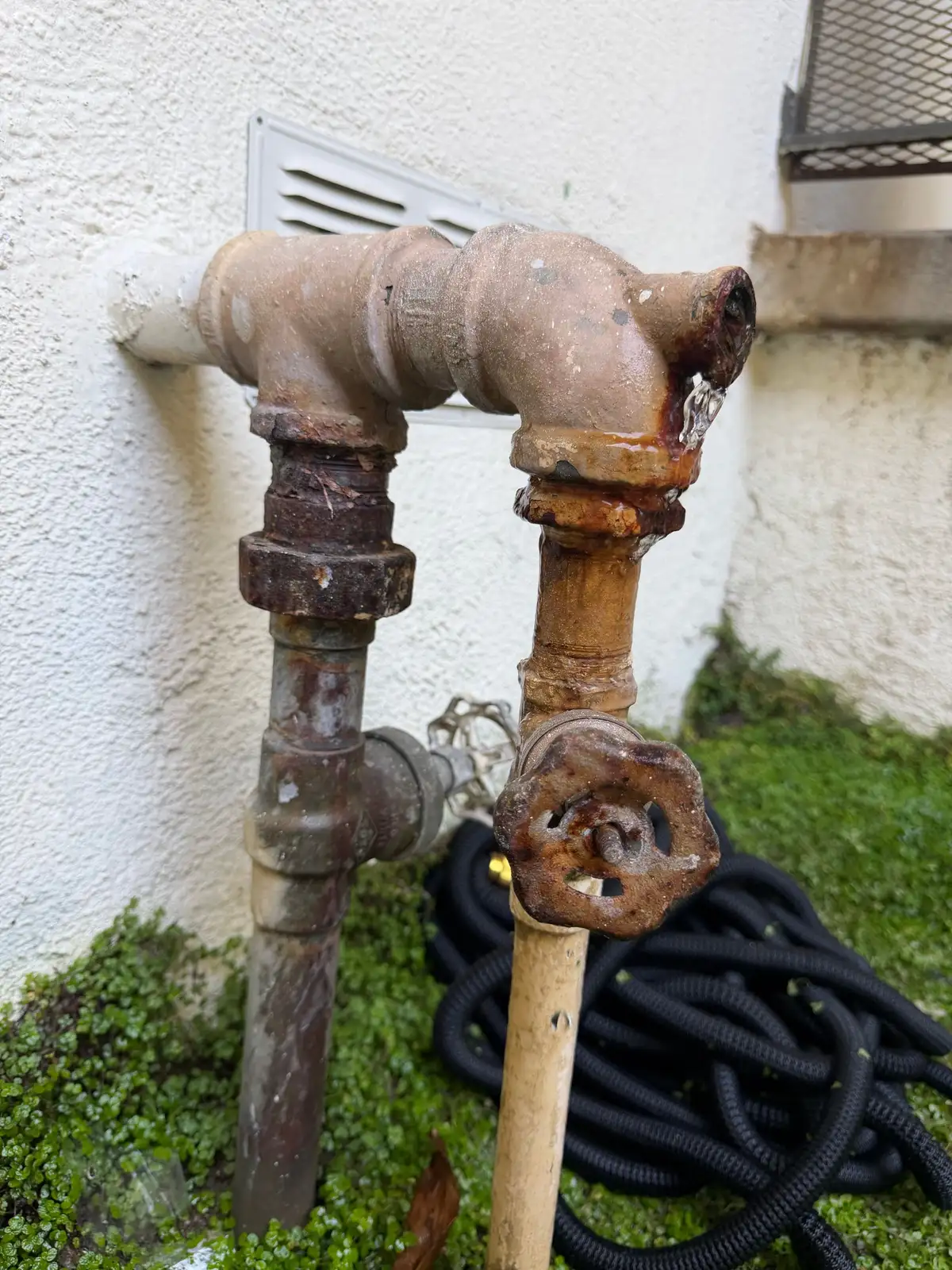
If your home was built before 1970 and has never been repiped, the single most likely cause of whole-house low pressure is galvanized steel supply pipe. Galvanized pipe corrodes from the inside out. The rust and mineral scale don't create a hole — they narrow the interior bore over decades until a pipe that started at 3/4-inch inside diameter is effectively functioning at 1/4-inch or less.
This is the dominant failure mode in Hawthorne's Hollyglen and Holly Park tracts, Gardena's Moneta and Strawberry Park neighborhoods, and Old Torrance — all areas with heavy 1950s-1960s housing stock that never got a supply upgrade. The pressure drop is whole-house, worst at fixtures farthest from the meter, and it gets worse year over year rather than appearing suddenly.
A pressure gauge on the hose bib outside tells you what the city is delivering. If that reads 55–70 psi and your shower feels like a garden sprinkler, the problem is inside your distribution system, not outside it. At that point, the pipe itself is the restriction. A [whole-house repipe](/services/repipes) is the only durable fix — there's no way to descale galvanized steel back to original bore.
Cause 2: Partially closed shutoff valve
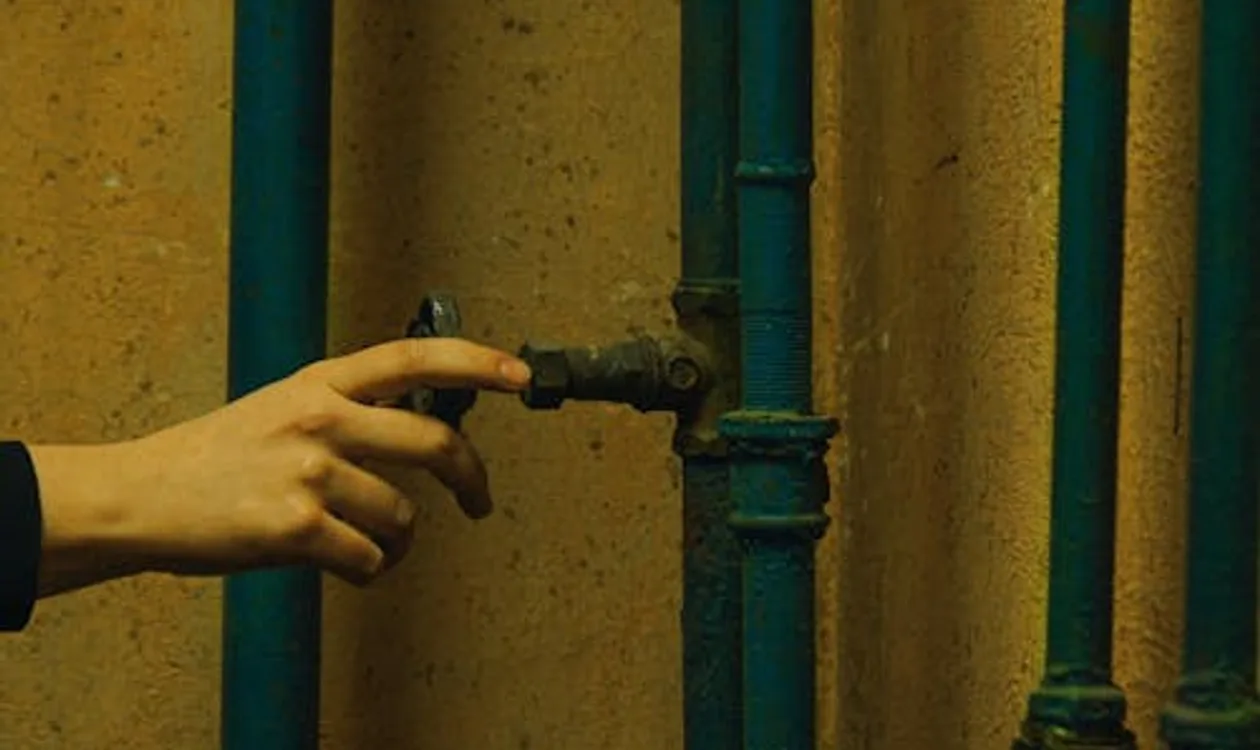
Before assuming the worst, check the obvious: is your main shutoff fully open? Ball valves should be parallel to the pipe. Gate valves — common in older South Bay homes — need to be fully counterclockwise to open. A gate valve that's been turned back even a quarter-rotation can drop house pressure noticeably.
This happens most often after plumbing work. A plumber shuts the valve for a repair, opens it most of the way, and leaves. Or someone in the household partially closes it without realizing the effect. It's a 30-second check at the meter box or where your main enters the house. If pressure returns immediately when you open it fully, you're done.
Also check the shutoff at the water heater. A partially closed water heater supply valve creates exactly this pattern on the hot side only — cold pressure is fine, hot pressure is weak at every fixture. That's a diagnostic tell that points directly to the valve.
Cause 3: Pressure regulator failure
Most homes built after the mid-1980s have a pressure reducing valve (PRV) where the main enters the house. PRVs are typically set between 50 and 70 psi. They fail in two directions: they can stick open, letting street pressure in unregulated (which damages fixtures and water heaters), or they can fail closed, dropping house pressure to 20–30 psi or lower.
PRV failure is whole-house, affects hot and cold equally, and often comes with a characteristic water hammer symptom — banging in the pipes — if the valve is failing in the open direction. If you have a pressure gauge and you're reading below 45 psi inside the house while the meter side reads normal street pressure, the PRV is the first component to replace.
PRVs have a 10–15 year functional lifespan. In homes along the South Bay coast — Redondo Beach's Golden Hills, El Porto in Manhattan Beach — salt air accelerates the corrosion on the valve body and internal spring. Replacement runs $400–$700 in parts and labor and takes a few hours. It's one of the better value-for-effort plumbing repairs when the diagnosis points there.
Cause 4: Water main or municipal supply issue
If you've confirmed your shutoff is open, your PRV isn't failed, and you still have low pressure whole-house — check with a neighbor. Municipal main pressure drops affect multiple addresses simultaneously. Cities in the South Bay run their mains at 60–80 psi at the meter, but pressure can drop during peak morning demand hours or when the water district is doing maintenance on the transmission line serving your area.
This is temporary and not your problem to fix. If it resolves on its own within a few hours or appears only during 6–9 a.m. peak demand, call your city's water utility to confirm. Long Beach Water, LA City DWP, California Water Service, and the other utilities serving the 16 cities we work in all have outage and maintenance notifications available online.
If the meter-side pressure is consistently low — below 45 psi when you measure at the hose bib — and your neighbors have the same reading, that's a utility issue. File a low-pressure complaint. If your pressure is low and theirs isn't, the problem is between the meter and your fixtures.
Cause 5: Fixture aerator and showerhead clogs
If the pressure problem is isolated to one or two fixtures — one bathroom sink, one shower — and the rest of the house is fine, the restriction is almost certainly at the fixture itself, not in the supply system. Aerators on faucets and flow restrictors in showerheads accumulate mineral scale, especially in areas served by hard water.
The South Bay gets its water primarily from the Metropolitan Water District's Colorado River and State Water Project sources — both moderately hard. Over 2–5 years, aerator screens fill with calcium carbonate and sediment. Unscrewing the aerator and holding it up to light tells you whether it's blocked. Soaking in white vinegar for an hour dissolves most mineral buildup. If it doesn't clear, a replacement aerator costs under $10.
Don't skip this step before assuming a larger problem. We've run [camera inspections](/services/trenchless/camera-inspection) on supply lines at homeowner request only to find the upstream pipes are clean — the aerator was the entire problem. It's a 5-minute check that rules out a simple fix before you spend money on diagnostics.
Cause 6: Hidden supply leak
A supply leak — in a wall, under a slab, or in the yard between the meter and the house — can manifest as whole-house low pressure. The water isn't reaching your fixtures because it's escaping somewhere in the middle of the path. This is less common than the causes above, but more serious when it is the culprit.
The diagnostic test is straightforward: shut off every fixture in the house and look at your water meter. The small triangle or dial on most South Bay meters indicates flow. If it's moving with everything shut off, water is going somewhere it shouldn't. That's a leak until proven otherwise.
A slab leak in particular can drop pressure and go undetected for months — the water is finding a drain path through the slab rather than pooling visibly. Signs that suggest a leak is involved alongside the pressure drop include a water bill that's risen without a usage explanation, warm spots on the floor, or damp baseboards. Underground [leak detection](/services/trenchless/leak-detection) using acoustic and thermal equipment can locate the break without opening walls or floors.
The diagnostic sequence, step by step
Work from outside in, and from whole-house to single-fixture. First, attach a pressure gauge to an outdoor hose bib and record the reading. Under 45 psi at the meter suggests either a utility issue or a failed PRV. Over 55 psi at the meter with low pressure inside confirms the restriction is in your distribution system. Second, verify the main shutoff is fully open. Third, check whether pressure is low on hot side only, cold side only, or both — that distinguishes a water heater valve problem from a supply-system problem. Fourth, identify whether one fixture or all fixtures are affected. If it's one, go straight to the aerator. If it's all, consider pipe age and PRV condition. Fifth, do the meter movement test with everything shut off to rule out or confirm a hidden leak.
If you've worked through those five steps and the cause still isn't clear — or if step one showed you have a pre-1970 home with original galvanized supply — it's time to get a crew on site. Older galvanized pipe in Gardena's El Camino Village, Lawndale's slab tracts, and similar mid-century neighborhoods often shows normal pressure at first measurement and then reveals progressive restriction once a plumber inspects the pipe condition directly. A visual inspection of accessible supply lines combined with a pressure differential test across different branch points usually identifies where the chokepoint is within an hour.
For homes in Hawthorne, Carson, and the older San Pedro blocks where [whole-house repiping in Hawthorne](/services/repipes) is the likely conclusion, we scope the job before quoting it — the age and configuration of the existing system determines labor complexity as much as linear footage does. A 1,400-square-foot slab home in Hollyglen is a different project than a two-story in Old Torrance with an accessible crawl space.
What to do next
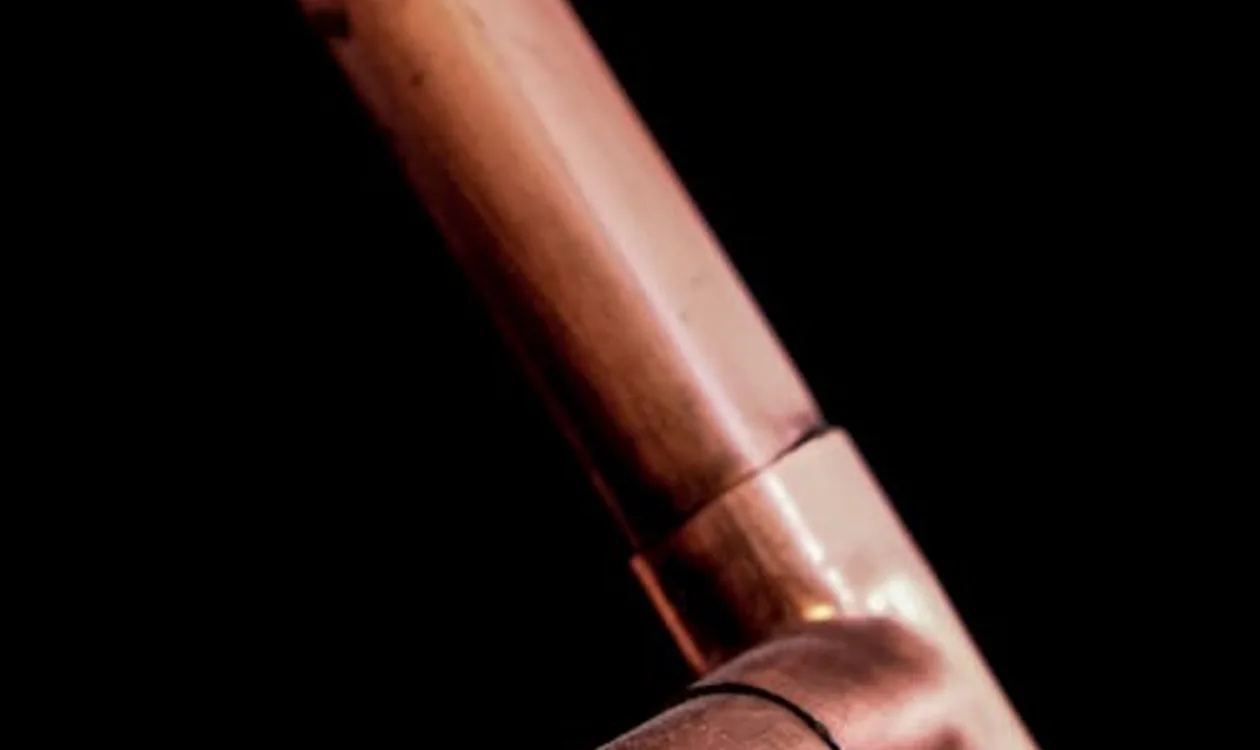
Low water pressure is fixable in every case listed above. The range of solutions runs from a $10 aerator to a full copper repipe — but you can't pick the right one without knowing what's actually causing the restriction. The five-step sequence above gets most homeowners to a confident diagnosis or a clear handoff point.
If you're past the DIY diagnostic steps and need a second set of eyes, Mainline No-Dig Trenchless Plumbing (Licensed C-36 #901735) serves 16 South Bay cities with no overtime fees and a 60-minute target response on emergencies. Call (310) 808-7343 to schedule a pressure assessment or get a same-day consultation. We'll tell you exactly what's restricting your flow and what it will take to fix it.
Tags
Related Services