El Segundo was built to house oil workers. Standard Oil of California broke ground on its refinery in 1911, and the residential blocks of Old Town filled in right behind it — small lots, wood-frame bungalows, modest setbacks, and cast iron drain stacks that are now pushing 100 years old. The plumbing was functional and era-appropriate when it was installed. It is not functional by current standards.
What makes Old Town plumbing work unusual isn't just pipe age. It's the combination of aging materials, tight block geometry, a permit office with deep institutional memory, and — on the eastern side of the city — a soil contamination history that changes the calculus on any excavation work. Most plumbing companies working in El Segundo for the first time don't know that fourth variable. It shows up during permitting, and sometimes it shows up later.
This post covers the specific failure patterns we see in El Segundo's original housing stock, what distinguishes Smoky Hollow's commercial-era plumbing from the residential laterals in Old Town, and why soil context matters before anyone puts a shovel in the ground east of Sepulveda Boulevard.
What 1911–1940 construction actually left behind
The Original Standard Oil Era homes in El Segundo — concentrated in Old Town and Smoky Hollow — were built between 1911 and 1940. Cast iron was the drain stack material of choice during that entire period. It holds up well against corrosion in normal conditions, but by decade 9 or 10, cast iron develops internal graphitization: the iron matrix loses structural integrity while the pipe looks intact from the outside. Tap it with a wrench handle and you hear a dull thud instead of a ring. That's the tell.
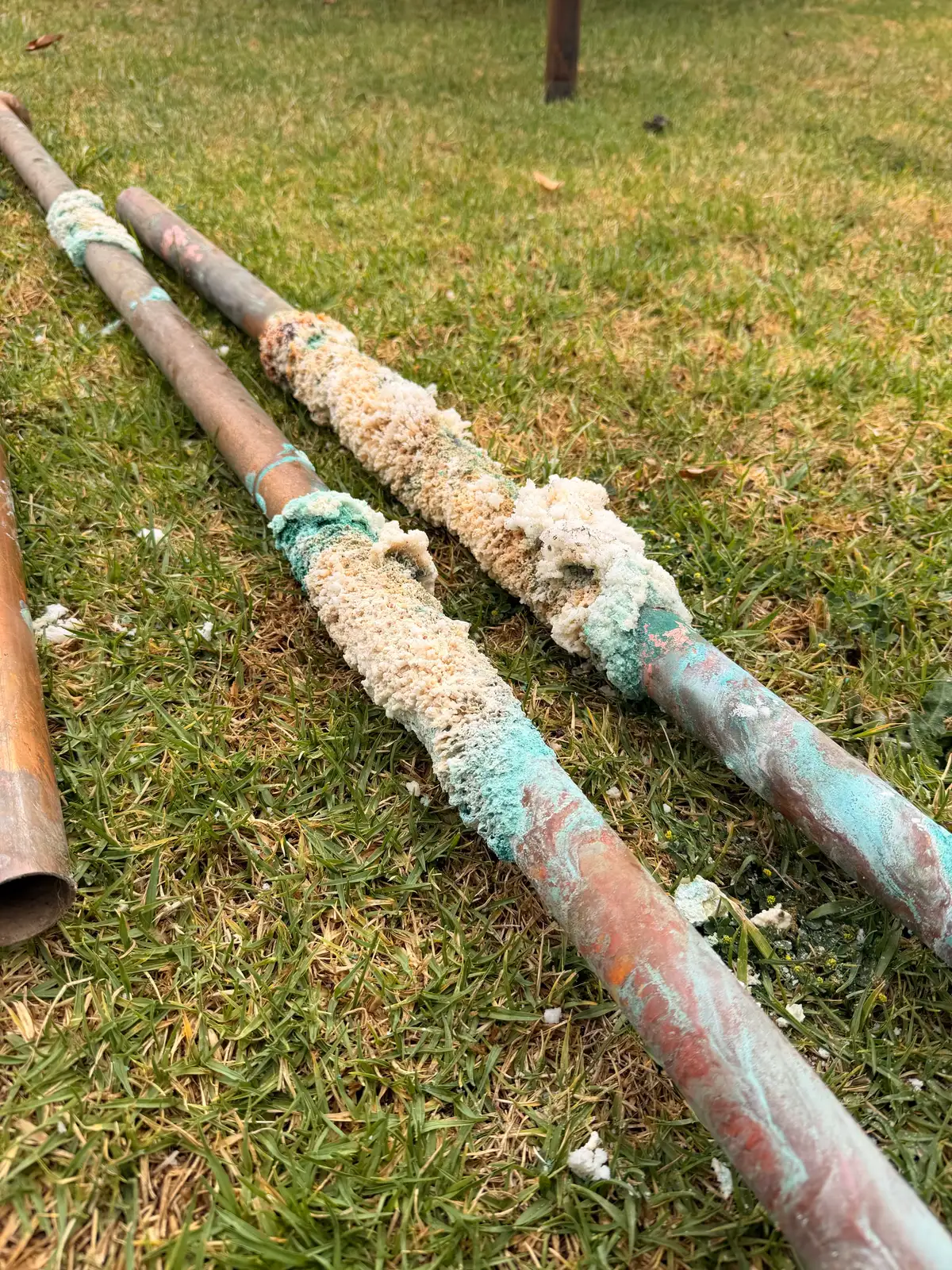
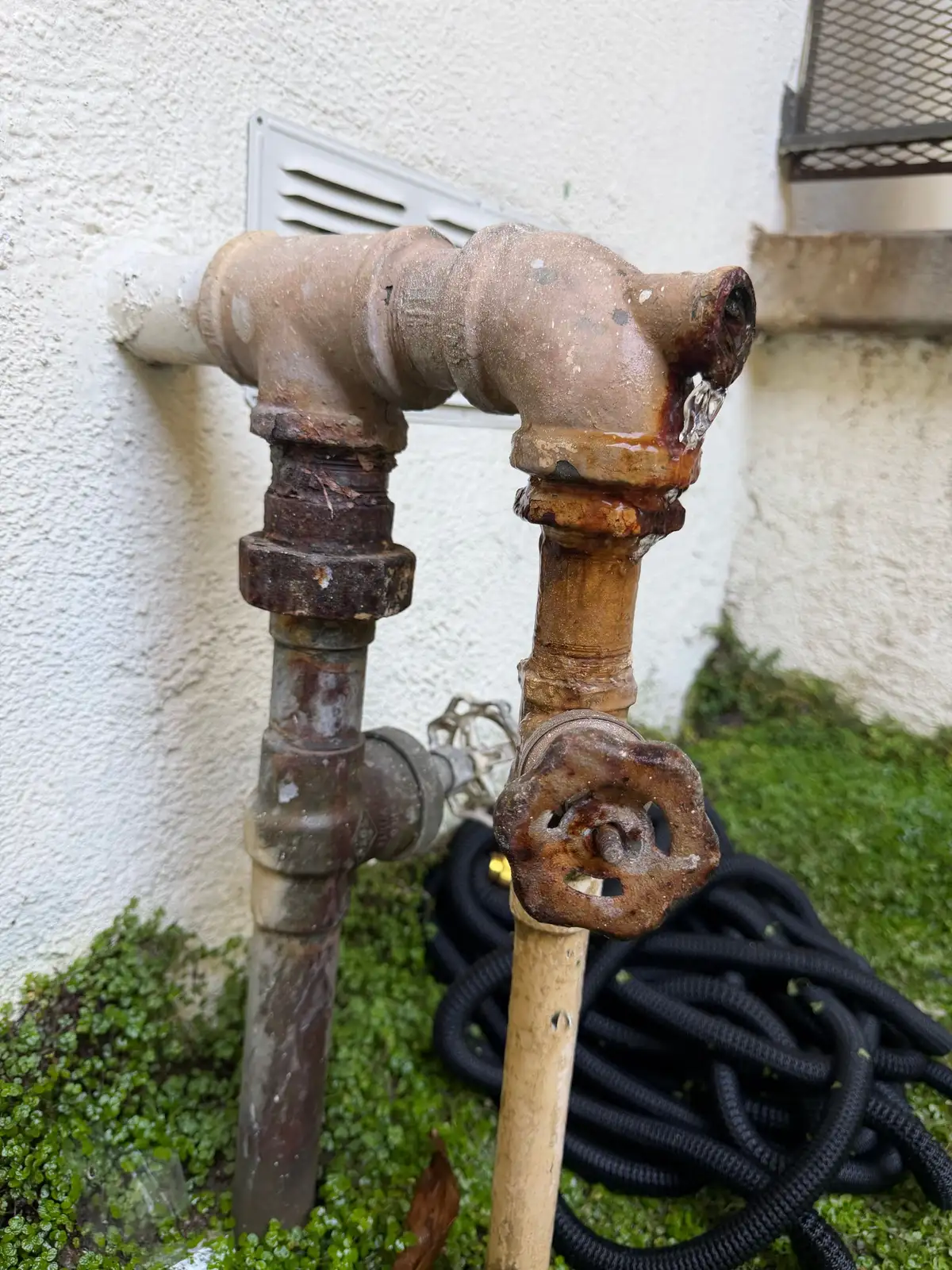
Supply lines in this era were galvanized steel. In El Segundo, many of the original Eastside and Old Town homes have had partial supply updates over the decades — a bathroom remodel in the 1980s, a water heater replacement in the 2000s — but the sections inside walls and under slabs often haven't been touched. Galvanized steel has a functional lifespan of roughly 40–70 years depending on local water chemistry. Most of what's still original in El Segundo is operating somewhere between borrowed time and failure.
Old Town's street grid is tight and the homes sit close together, which limits the equipment access options when drain work requires digging. That geometry is one of the reasons [trenchless sewer repair](/services/trenchless) gets specified as the default approach on most lateral jobs here rather than open excavation — it's not always about aesthetics, it's about what fits.
The eastern corridor: why soil history changes your excavation plan
East of Sepulveda Boulevard, specifically along the Imperial Avenue Corridor and toward the Eastside neighborhood boundary, the industrial history of El Segundo means soil contamination is a documented variable. Petroleum hydrocarbons, volatile organic compounds, and associated byproducts are present in some subsurface areas near the refinery's historical footprint. This isn't speculation — it's in DTSC records and comes up during project review.
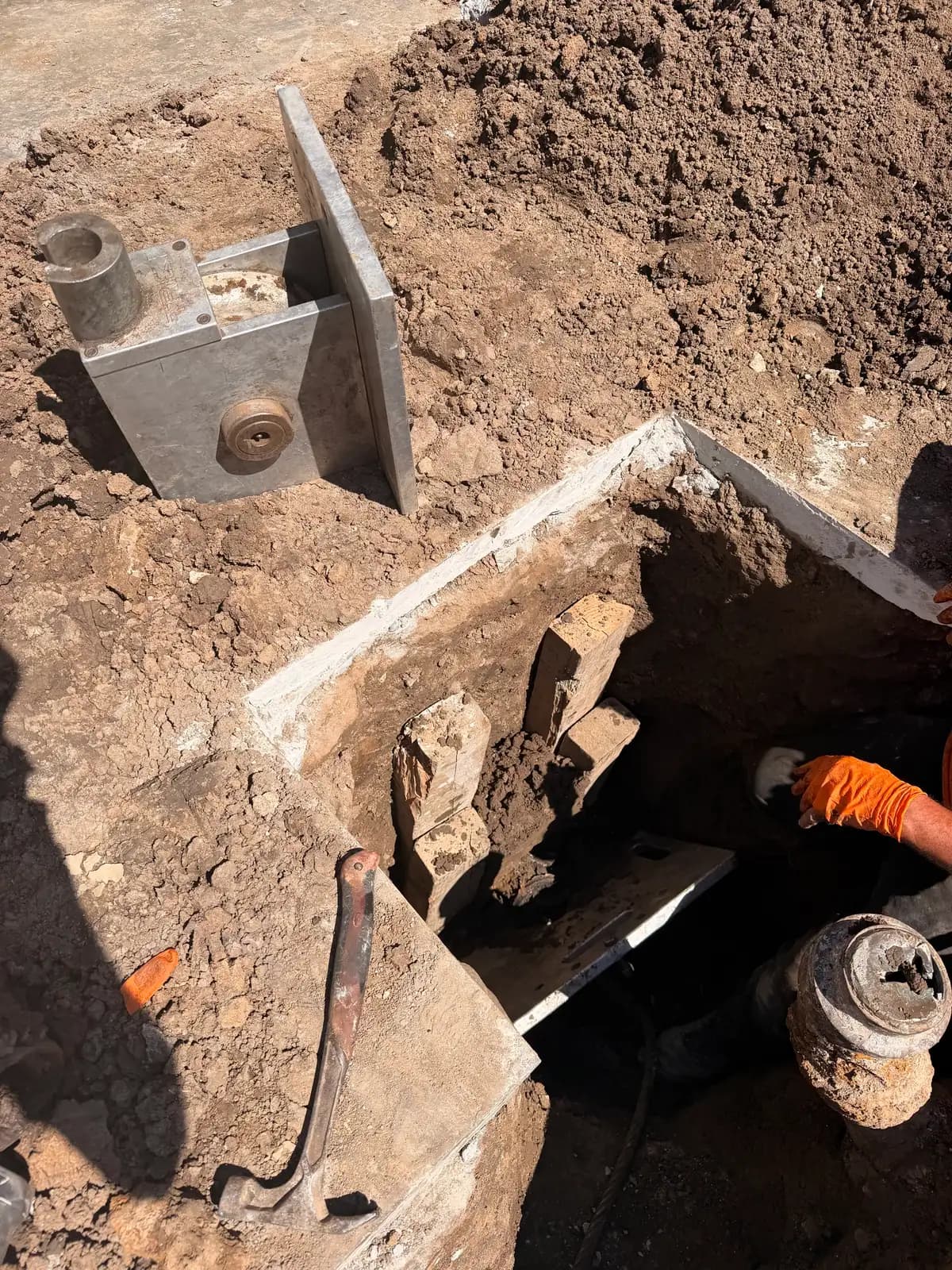
For plumbing work, the relevant threshold is excavation depth. Routine access to a shallow cleanout or a sewer lateral running at 3–4 feet of depth is a different conversation than a major open-cut repair or a full lateral replacement that requires digging to 6–8 feet. Deeper excavation near the eastern corridor can trigger environmental review before the permit is issued. We've seen this add time to projects when contractors don't flag it upfront.
The practical implication: if you own a home or commercial property east of Sepulveda and you're planning any drain or sewer work that requires breaking ground, confirm the excavation plan and depth with your plumber before the permit application goes in. Trenchless methods — where applicable — sidestep much of that exposure because they minimize ground disturbance. For work on [El Segundo trenchless pipe repair](/service-areas/el-segundo/trenchless), that's often the first question we ask about site location before we scope anything else.
Smoky Hollow's larger-diameter laterals
Smoky Hollow — the light industrial district between El Segundo Boulevard and Imperial Avenue — has its own plumbing profile. The original buildings there were designed for light manufacturing and commercial use, and the drain infrastructure was sized accordingly. Four-inch residential laterals are standard in Old Town. In Smoky Hollow, six-inch and larger laterals are not uncommon, especially in structures built before 1960.
The adaptive reuse wave that hit Smoky Hollow over the last 15 years brought restaurants, breweries, creative offices, and mixed-use tenants into buildings that were built for machine shops and warehouses. That conversion frequently creates a mismatch: residential-grade plumbing fixtures and grease-producing kitchens feeding into commercial-era drain infrastructure that hasn't been inspected in decades. The result is either undersized fixture drainage (if someone converted the infrastructure downward) or original cast iron commercial drains that are corroded and carrying loads they were never intended to carry.
A [camera inspection](/services/trenchless/camera-inspection) before any tenant improvement is the only way to know what you're actually working with. We've scoped Smoky Hollow drains that look perfectly capable on paper and turn out to be 40% obstructed with grease, mineral scale, and root intrusion from the Ficus trees along the sidewalk strips.
The permit office dynamic
El Segundo's Building Safety Division is small relative to the size of cities we work in across the South Bay. That's a genuine operational advantage if you know how to work with it. Inspectors there have long institutional memory — they know the street grid, the common failure patterns in the original housing stock, and they recognize contractors who file consistently complete permit applications.
What that means practically: cut corners on a permit application in El Segundo and you'll hear about it on first review, not on the back end. Come in with accurate scope documentation, correct fixture counts, and a clear plan for any work near the eastern corridor, and the review process moves. Licensed C-36 #901735 work pulls permits as standard — not optional, not situational. That matters in a small-town permit environment where everyone knows the file history on your project.
Sewer lateral work in El Segundo typically requires a combination of city plumbing permit and Public Works encroachment permit if the work touches the public right-of-way. On corner lots in Old Town and on properties fronting main arterials like Eucalyptus Drive or Main Street, that dual-permit requirement is common. Budget the extra time.
What a realistic scope looks like for Old Town stock
For a 1925–1940 Old Town bungalow that hasn't had documented plumbing work since the 1970s, a reasonable diagnostic starting point is a camera inspection of the drain lateral from the cleanout to the city main, plus a visual inspection of the supply lines under sinks, at the water heater connections, and in the crawl space if accessible. That scope takes 60–90 minutes and tells you whether you're dealing with localized issues or systemic ones.
The most common findings we see in this housing era: cast iron stack with hairline vertical cracks in the upper sections, root intrusion at the lateral in the 8–15 foot range from the house, galvanized supply running at dramatically reduced interior diameter from mineral buildup, and a main shutoff valve that's been painted over twice and won't turn without force. None of those findings are catastrophic in isolation. Together, they indicate a house that's one failed fitting away from a significant event.
For supply-side issues in Old Town, a [whole-home repipe](/services/repipes) in copper or PEX resolves the galvanized problem cleanly. For drain laterals, pipe bursting is the most common trenchless solution — it replaces the old pipe with HDPE without requiring a full trench along the lateral run. The specific method depends on depth, access, and what the camera shows.
What to do next
If you own a pre-1950 property in Old Town, Smoky Hollow, or the Eastside, the first step is a camera inspection — not a repair quote. You can't scope the right repair without knowing what you're actually looking at. That's true whether you're dealing with slow drains, a failed lateral, or a pre-sale due diligence requirement.
For properties near the Imperial Avenue Corridor or anywhere east of Sepulveda, mention the location when you call. That single variable changes how we plan the permit application and whether trenchless methods are the preferred approach for reasons beyond just access.
We're based in Lomita, 35 minutes from El Segundo, with 24/7 dispatch and a 60-minute target response for emergencies — no overtime fees. Call (310) 808-7343 to schedule a camera inspection or talk through what a full scope would look like for your property.
Tags