Belmont Shore sits on a narrow sand peninsula between Alamitos Bay and the Pacific. The housing stock along Second Street, the Naples canals, and the blocks running down toward the Strand dates back to the 1910s and 1920s. Those bungalows were built on beach sand — not engineered fill, not compacted clay — and the plumbing that was installed with them was never designed to last 100 years.
What's under these houses behaves differently than anything you'd find in California Heights or Bixby Knolls. The soil shifts seasonally. The water table climbs in winter. Salt air works on every metal component above and below grade. And the original clay tile sewer laterals — most of them still in place — have spent a century dealing with all of it simultaneously.
If you own or are buying a property in Belmont Shore, Belmont Heights, or the Naples canal district, the plumbing diagnosis framework used for standard Long Beach housing doesn't fully apply here. The failure modes are different. The access constraints are different. And the repair options are narrower.
What 'built on sand' actually means for your pipes
The sand bedding under Belmont Shore is not stable in the way that clay or compacted fill is stable. Beach sand shifts with moisture content. When the water table rises in winter — and in this neighborhood it rises measurably — the soil under your foundation moves. Over 100 years, that movement is cumulative.
Clay tile sewer laterals depend on stable bedding to hold their grade. They're installed in sections with bell-and-spigot joints, and those joints rely on the pipe sitting still. When the sand underneath settles unevenly, sections drop, joints open, and the lateral loses its downhill pitch. A pipe running at 1/4 inch per foot becomes a pipe running at zero or negative slope. That's a drain that backs up under normal use, not because it's blocked, but because it's sagging.
We've scoped laterals in Belmont Shore that look intact on the surface — no visible breaks, no root intrusion, no obvious blockage — but show 6 to 10 inches of belly sag midline. The pipe is structurally present but hydraulically broken. A sewer snake will clear the standing water temporarily. It won't fix a sag. Only a [camera inspection](/services/trenchless/camera-inspection) tells you whether you're dealing with a blockage or a geometric failure.
Clay tile at 100 years: what the camera actually shows
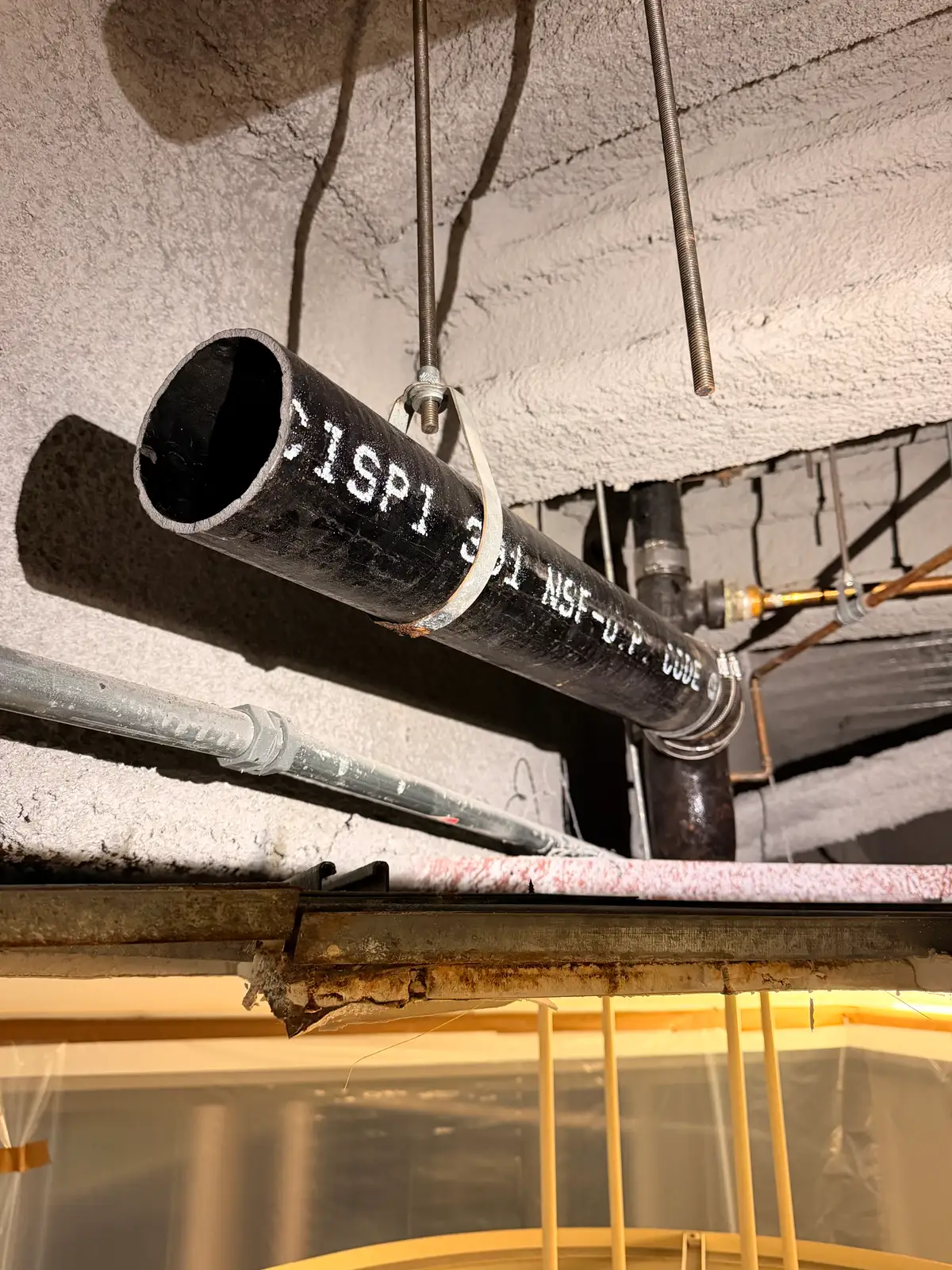
Original clay tile lateral pipe was installed in Belmont Shore bungalows from roughly 1915 through the early 1940s. Vitrified clay is actually durable material — it resists chemical degradation and doesn't corrode. The problem isn't the clay itself. It's the joints.
Bell-and-spigot clay tile joints were sealed with oakum and lead, or later with mortar. After 80 to 100 years of soil movement, both sealants crack and open. Open joints allow groundwater infiltration — meaning during high water table periods in winter, groundwater enters the sewer lateral and adds hydraulic load to the system. More critically, open joints let roots in. Ficus, podocarpus, and the ornamental trees common in the Belmont Shore streetscape have root systems that find those gaps within years.
When we run a camera through a 1920s Belmont Shore lateral, the typical findings are: multiple open joints, localized root intrusion at 2 to 4 of those joints, one or more belly sags, and at least one offset joint where a section has dropped enough to create a partial dam. A lateral showing two of those four problems can often be spot-repaired. A lateral showing all four is a full-replacement candidate.
The good news is that [trenchless sewer repair in Long Beach](/service-areas/long-beach/trenchless) is well-suited to this situation. Pipe bursting through sand is actually more tractable than pipe bursting through compacted clay. The original pipe fractures and displaces into the surrounding sand without the resistance you'd encounter in harder soils.
Salt air and copper: the corrosion timeline accelerates near the water
Every house in Belmont Shore and the Naples canal area is within 3 to 6 blocks of open saltwater. Salt-laden marine air attacks copper, brass fittings, and steel supply components at a rate that's meaningfully faster than what happens to the same materials in inland Long Beach neighborhoods like California Heights or Bixby Knolls.
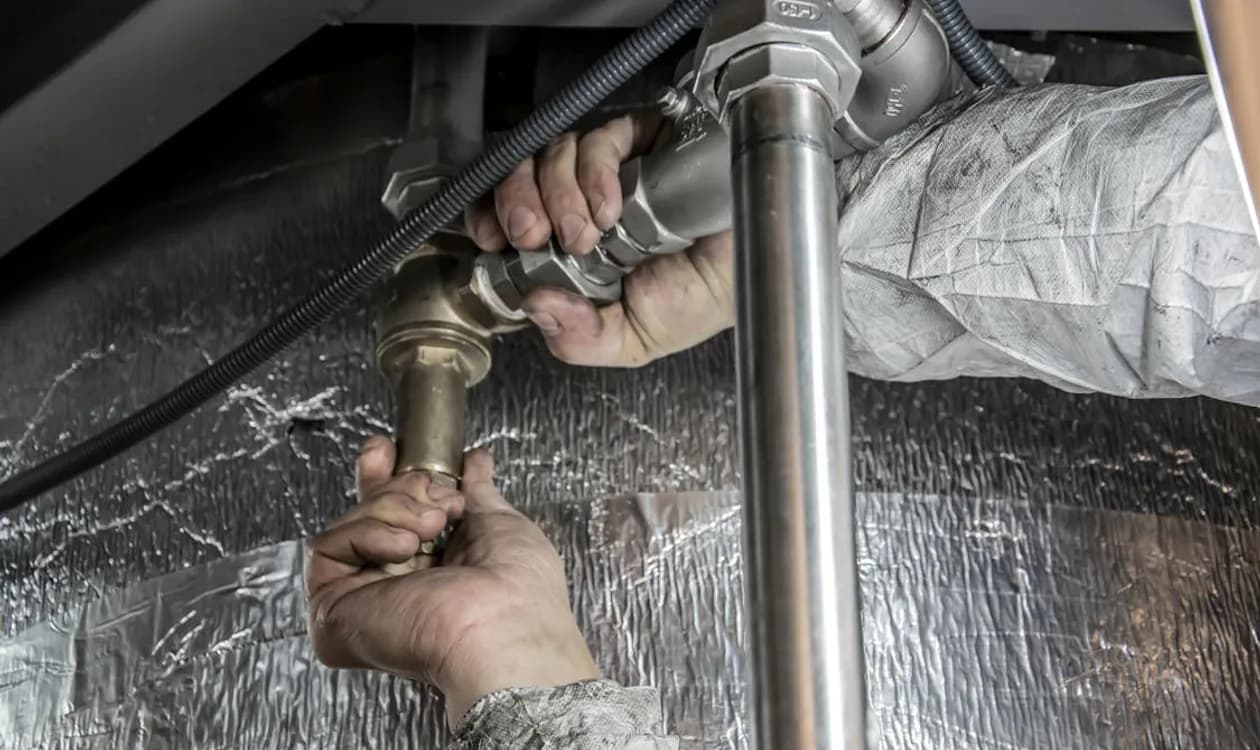
Copper supply lines in Belmont Shore bungalows that were repiped in the 1980s or early 1990s are now 30 to 40 years old and operating in a corrosive environment. The standard expectation for copper supply in Southern California is 50 to 70 years before pinhole leak failure begins. Coastal proximity shortens that window to 25 to 45 years depending on exact distance to the water and whether the house has crawl-space ventilation or sits on a slab.
If your water heater was installed more than 10 years ago and hasn't had an anode rod inspection, that rod is likely depleted. The anode rod in a tank water heater sacrifices itself to protect the tank lining — once it's gone, the salt-mineral-laden water in this area starts attacking the tank directly. Three-year inspection cycles are more appropriate here than the standard five-year recommendation. This applies equally to properties on the Naples canals and on the ocean-side blocks near the Strand.
High water table: what it does to your sewer lateral and your foundation
Belmont Shore's winter water table can rise to within 3 to 5 feet of grade during wet years. Most sewer laterals in this neighborhood run at 4 to 7 feet depth. That means portions of your lateral can be partially or fully submerged during heavy rain winters.
Groundwater infiltration through open clay tile joints means the city sewer system and your lateral are carrying stormwater in addition to sanitary flow during wet periods. From your perspective, the practical effect is a higher baseline pressure on your drain system and a higher risk of sewage backing up into the lowest fixture in the house — typically a floor drain, a laundry drain, or a ground-floor toilet — during peak storm events.
Submerged pipe joints also accelerate the failure rate of any remaining mortar or lead seals. Each wet season works the joints a little more open. If your lateral has never been scoped and your house predates 1960, a camera inspection is not a precaution — it's diagnostic work you should have done before the next rain season.
Trenchless options in a neighborhood with no room to dig
The lots in Belmont Shore are small. The bungalows sit close to the property lines. Mature landscaping, concrete driveways, and decorative hardscape are the rule, not the exception. When a sewer lateral fails in this context, open-cut excavation isn't just expensive — it's often impractical without demolishing improvements that cost more to replace than the plumbing work itself.
Pipe bursting replaces the full lateral from cleanout to city connection without a continuous trench. Two access pits — one at each end of the run — are all that's required. In sandy beach soil, the bursting head moves through the clay tile sections cleanly, expanding the failure into the surrounding material and pulling HDPE behind it in a single pass. The new high-density polyethylene pipe is continuous, joint-free, and rated for 50+ years in this soil chemistry.
For laterals where the structural integrity is marginal but not fully failed — intact sections with localized cracks or root intrusion at joints — cured-in-place pipe lining is another option that requires no excavation at all. A resin-saturated liner is inverted into the existing pipe and cured in place, creating a new smooth interior pipe within the old host pipe. Neither method requires us to pull up your driveway, dig through your planting beds, or disturb your foundation. That's the core reason [trenchless sewer repair](/services/trenchless) exists.
What to prioritize if you're buying or already own in Belmont Shore
If you're in escrow on a Belmont Shore property built before 1960, a sewer scope should be part of your inspection package regardless of what the general home inspector says about the drains. General inspectors run water through fixtures. They don't put a camera in the ground. A lateral that drains adequately on the day of inspection can still have significant structural problems.
If you already own a pre-1960 Belmont Shore bungalow and you've never had the sewer lateral scoped, schedule one before this winter. If you've been dealing with slow drains, occasional sewage odors, or a drain that needs snaking every 12 to 18 months, those are not normal maintenance issues — they are symptoms of a lateral that's at or past the point where preventive repair is cheaper than emergency replacement.
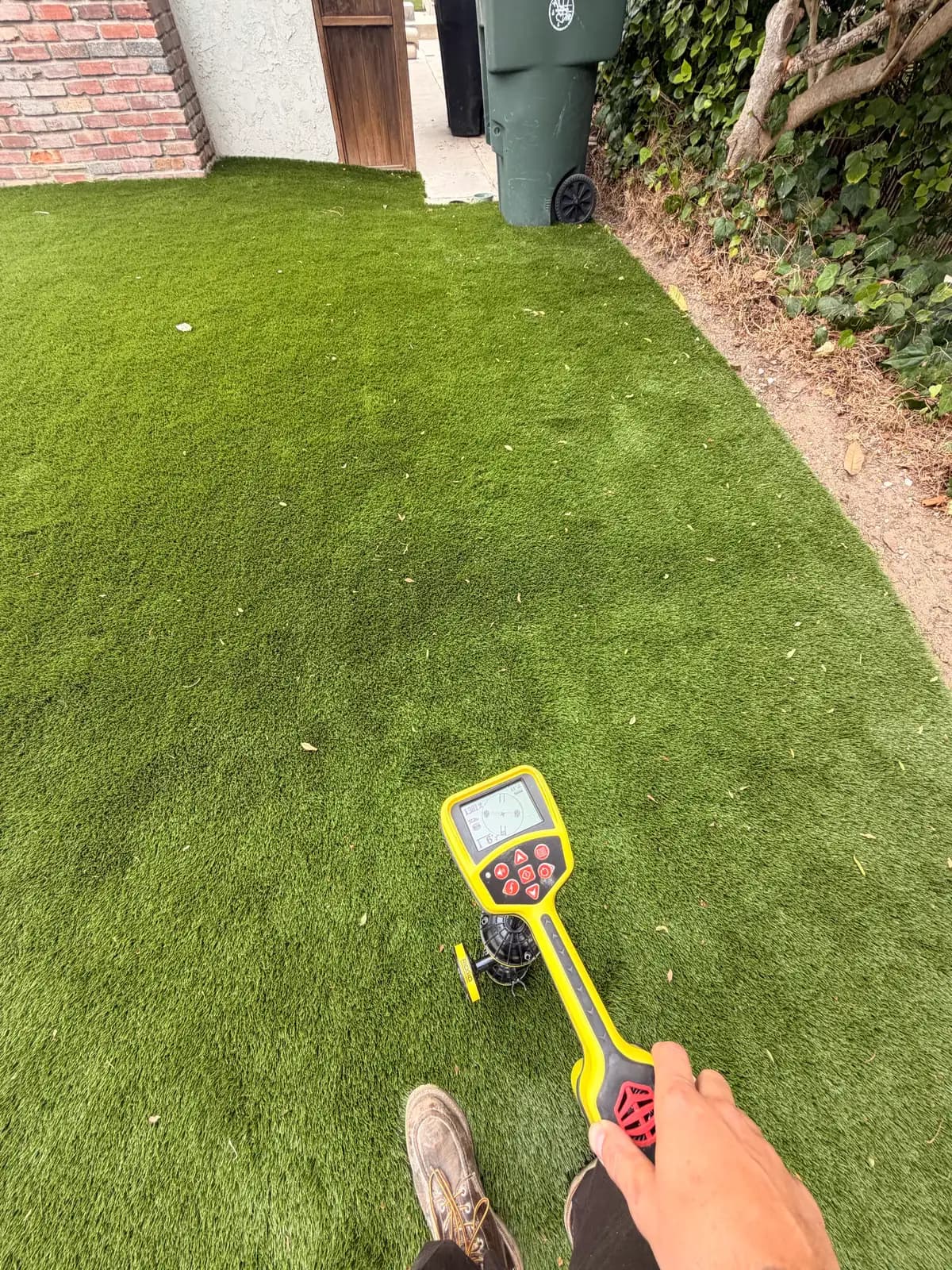
On the supply side, if your house was repiped with copper before 2000 and you haven't had a leak detection inspection, it's worth running one. Pinhole leaks in walls and under slabs in coastal bungalows often go undetected until water damage forces the issue. Early detection through [underground leak detection](/services/trenchless/leak-detection) costs a fraction of what drywall and flooring remediation does after a slow leak has run for months.
What to do next
We're a licensed C-36 contractor (#901735) based in Lomita, dispatching throughout Long Beach and the South Bay. Our target response time for Belmont Shore, Naples, and Belmont Heights calls is 40 minutes for emergencies. We don't charge overtime for evenings or weekends.
If you're dealing with recurring drain problems, slow-clearing fixtures, or you've never had a sewer scope done on a pre-1960 property in this neighborhood, the first step is a camera inspection. It gives you a documented condition report, footage you can share with a buyer or insurer, and a clear picture of what — if anything — needs to be repaired.
Call (310) 808-7343 to schedule a camera inspection or get a scoped estimate for sewer lateral repair in Belmont Shore. We dispatch 24/7 and can usually get a camera into the ground within 24 to 48 hours of your call on non-emergency work.
Tags