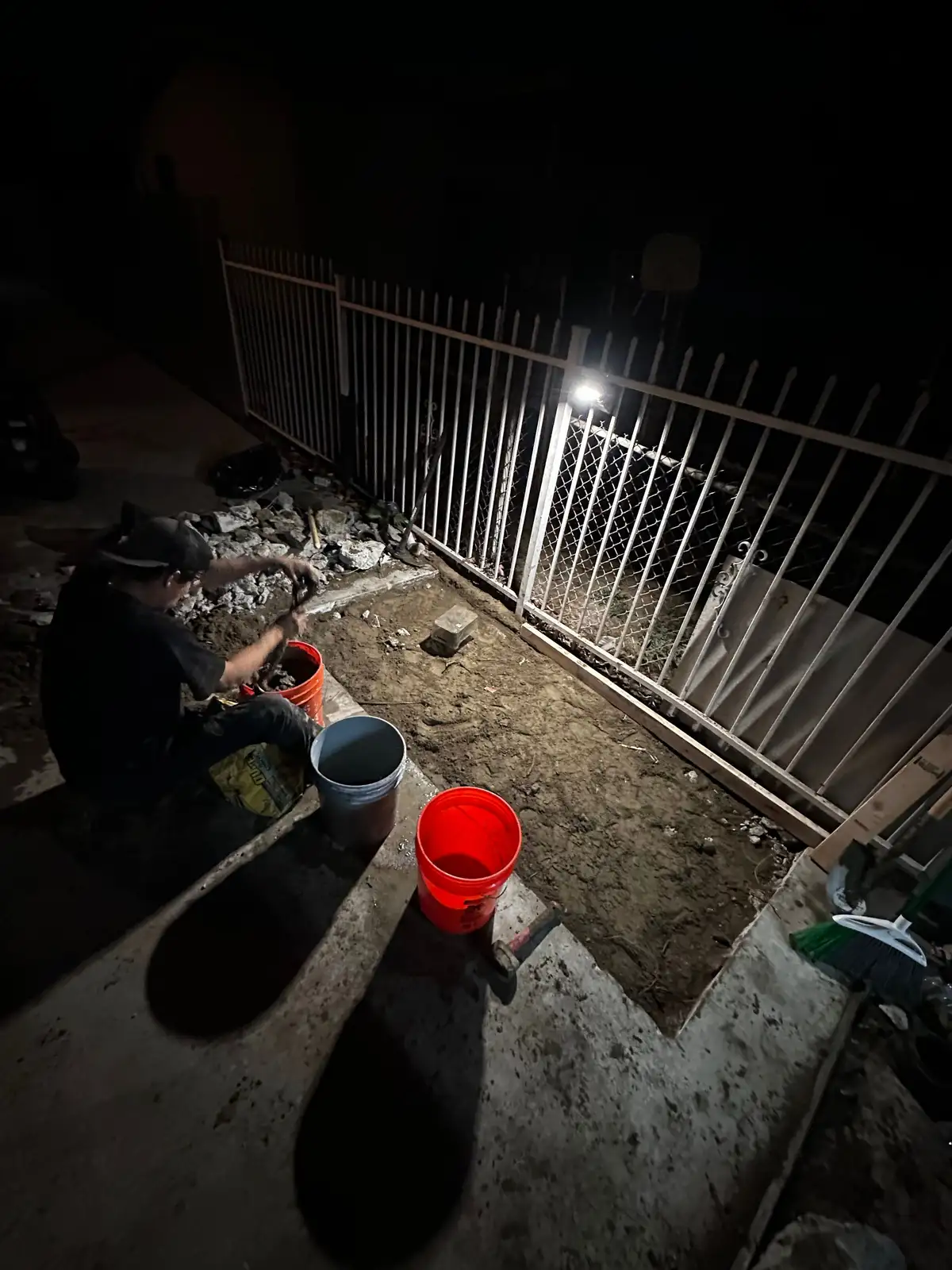
A burst pipe or sewage backup in an Inglewood home stops being a plumbing problem and starts being a structural one inside of 20 minutes. The first priority is water off, not diagnosis. The second is a call to a licensed plumber. Everything else — where it came from, what it's going to cost, whether insurance covers it — gets sorted once the water is no longer moving.
Inglewood's housing stock complicates this. Morningside Park, Fairview Heights, and North Inglewood have dense concentrations of homes built between 1908 and 1965, many still running original galvanized supply lines. Galvanized corrodes from the inside out over decades, and a pipe that has been narrowing for 40 years doesn't announce itself before it goes. Pressure spikes from neighboring shutoffs or demand surges are often the final trigger.
Why Inglewood's older homes carry higher burst risk
Galvanized steel pipe has a functional lifespan of roughly 40–70 years depending on water chemistry and pressure. Most galvanized in Morningside Park and Inglewood Knolls homes was installed in the 1940s and 1950s, which puts it 60–80 years old today. The inside of the pipe accumulates iron oxide scale over that lifespan, reducing flow to a fraction of its original capacity and creating wall-thinning failures at fittings and elbows.
The gentrification-driven renovation wave happening across Downtown Inglewood and Hollywood Park is exposing another failure mode. When walls open up during a kitchen or bathroom remodel, contractors frequently find galvanized runs that have been leaking slowly for years — not catastrophically, but enough to saturate the subfloor framing beneath a slab or rot out wood-framed wall cavities. The burst risk is highest when original galvanized is left in place while adjacent systems are upgraded.
Cast-iron drain lines from the same era fail differently. Rather than bursting, they crack along the hub joints or develop full sections of spalling that allow roots in and sewage out. A sewage backup in a 1945-era home in Fairview Heights is often the first symptom of a drain line that has been degrading for a decade.
The first 10 minutes: what to do before we arrive
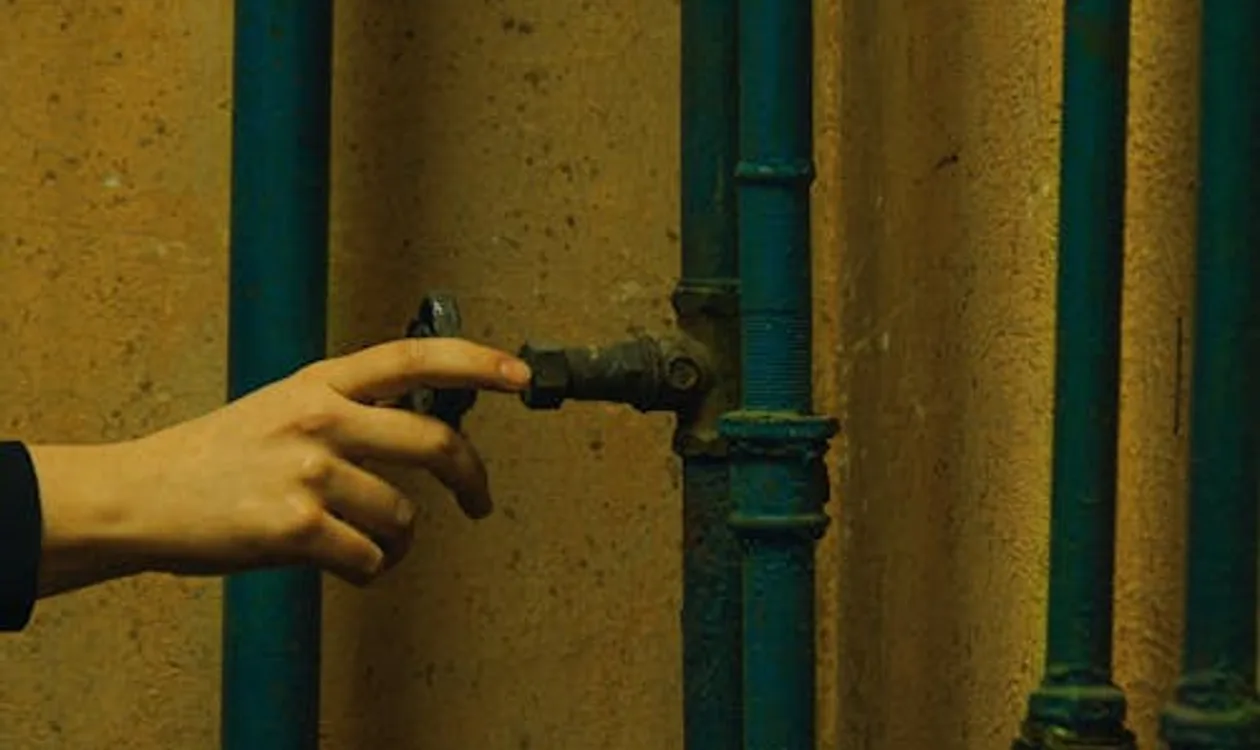
Locate your main shutoff and turn it off. In most Inglewood post-war tract homes, the main shutoff is either at the meter box near the curb or on the side of the house near the water entry point. Older homes sometimes have a gate valve here rather than a ball valve — turn it clockwise until it stops. If the valve hasn't been used in years, it may not seat fully, but reduce it as much as possible.
Once water is off, open the lowest faucet in the house — typically a hose bib or a utility sink faucet — to relieve remaining pressure in the lines. This slows seepage from a damaged section and gives you a visible indicator when pressure has dropped. Don't use any drains until a plumber has confirmed the backup isn't sewer-related, or you risk driving sewage further into the system.
If the event involves sewage — toilet overflow, backup at a floor drain, or sewage odor coming through a drain — don't run water anywhere in the house. That includes flushing toilets. Every gallon added to a blocked line increases hydrostatic pressure against the blockage and can force waste into other fixtures. Keep people out of affected areas and call immediately. We target a 35-minute response across Inglewood, 24 hours a day, with no overtime fees.
Burst pipe vs. backup: the triage split
A burst or pinhole supply leak — water spraying, pooling rapidly, or running through a ceiling — is always an emergency. Water damage compounds by the minute. Drywall, subfloor plywood, and insulation can begin absorbing moisture within 15 minutes of a leak reaching them. The longer the water moves, the more expensive the remediation becomes, independent of what the plumbing repair itself costs.
A sewage backup that reaches floor level is also an emergency — not just a nuisance call. Sewage contains pathogens that require professional remediation once they contact porous surfaces. A backup contained inside a toilet bowl with a slow drain may wait a few hours. A backup that has breached the toilet base and reached the tile grout cannot.
A dripping faucet, a running toilet, low water pressure, or a drain that is slow but still moving — none of these are emergencies. They should be scheduled and addressed, but they don't justify emergency dispatch rates. If you're unsure, call us at (310) 808-7343 and describe what you're seeing. We can help you triage over the phone.
What the repair actually involves in a 1940s Inglewood home
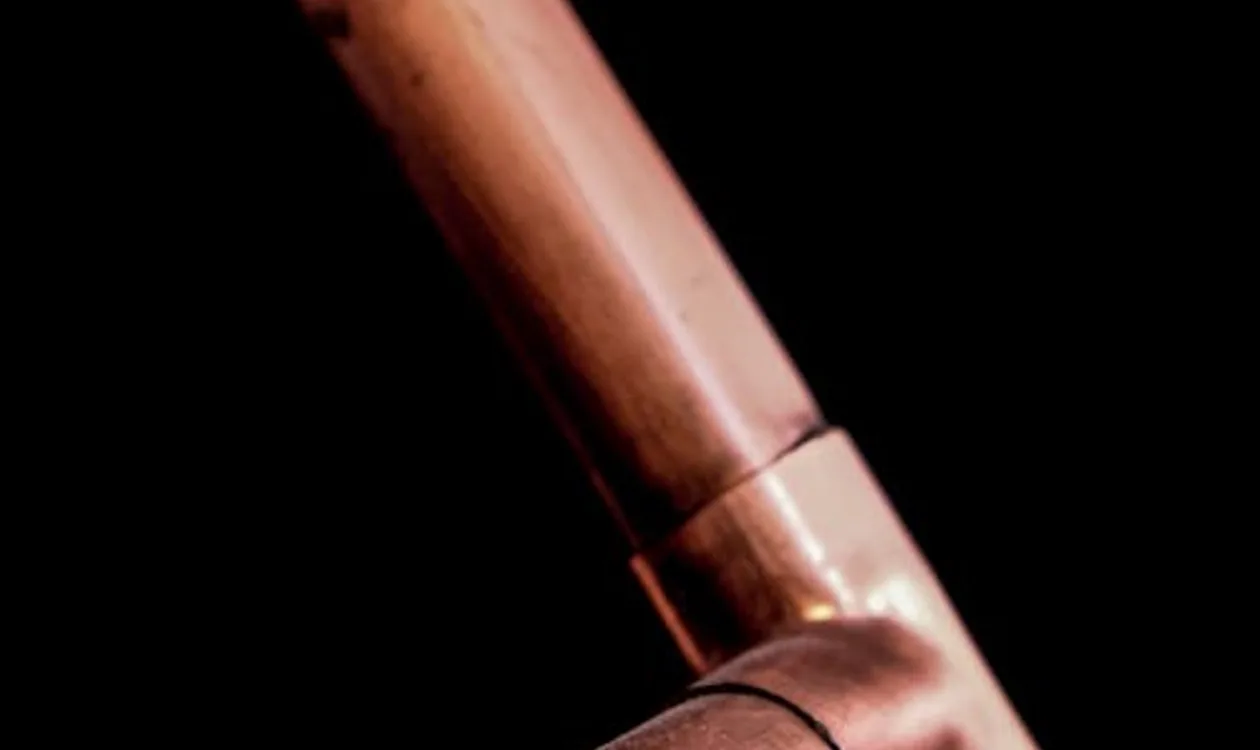
For a burst galvanized supply line, the immediate repair is typically a copper or PEX section splice to stop active flow. That stabilizes the situation. The longer conversation is what comes next: a single burst in a galvanized system is almost never an isolated failure. The same pipe chemistry that failed at one elbow is present throughout the system. We use [camera inspection](/services/trenchless) to assess what's in the walls before recommending whether to patch or to [repipe the full system](/services/repipes).
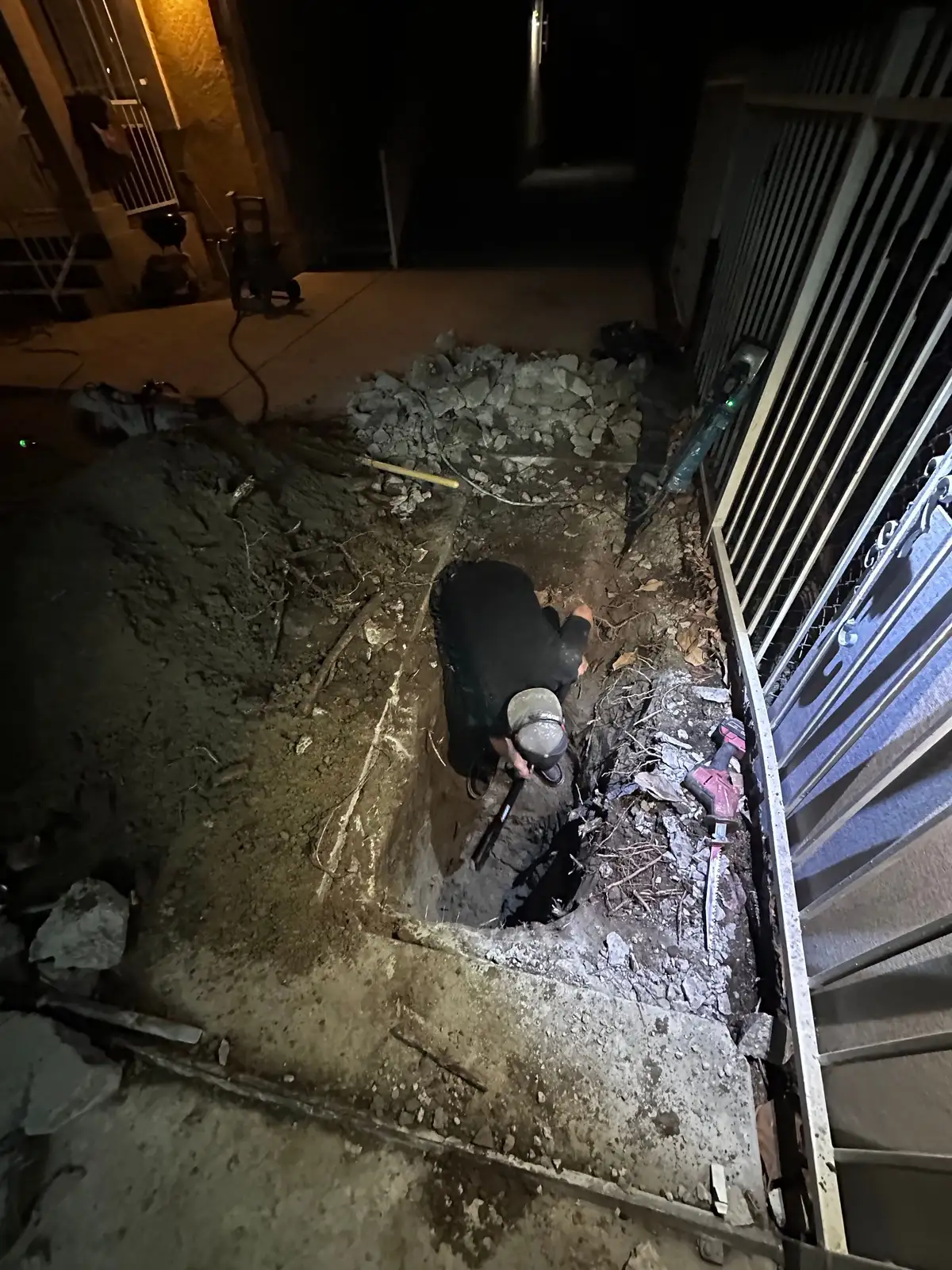
Sewage backups in post-war Inglewood homes usually trace to one of three causes: a blockage at the mainline cleanout, root intrusion through cracked clay or cast-iron drain pipe, or a collapsed section of lateral between the house and the city connection. A sewer snake clears the first cause quickly. The second and third require camera inspection to confirm before any repair plan is made. Clearing a blocked drain without understanding why it blocked leaves the root cause untouched.
For [emergency plumbing in Inglewood](/service-areas/inglewood/emergency-repair), the repair scope on a 1940s home often expands once walls or cleanouts open up. That's not upselling — it's an accurate picture of what decades-old infrastructure looks like when you can finally see it. We walk homeowners through what we find before any additional scope is approved.
Inglewood emergency plumbing questions we hear most
**How fast can you reach a home in Morningside Park or Fairview Heights?** We target 35-minute response across Inglewood, dispatched 24/7. That clock starts when you call, not when we schedule.
**Do you charge more for nights and weekends?** No. We don't add overtime fees to emergency calls outside business hours. The rate is the rate.
**My toilet overflowed and water reached the hallway — is that a health issue?** Yes. Any sewage contact with porous materials — grout, drywall, wood subfloor — requires professional remediation beyond plumbing repair. We'll tell you what we see and whether you need a water damage restoration contractor on-site.
**Can I patch one section of galvanized and be done with it?** Technically yes, but a patch addresses one failure point in a system that may have 20 others. We'll inspect what's accessible and give you a straight assessment of the pipe's overall condition so you can make an informed decision.
**How do I verify your license?** We hold C-36 license #901735. You can verify it directly through the California State License Board at cslb.ca.gov. Search by license number and confirm it's active and in good standing.
**The water is off but I can still hear it running in the wall — what does that mean?** Residual pressure in the line can continue to release for a few minutes after shutoff. If the sound continues beyond five minutes, the main valve may not be seating fully — call immediately. That valve failure is a secondary emergency on top of the original one.
What to do next
If you're in the middle of an event right now — water moving, sewage backed up — shut the main, call (310) 808-7343, and wait outside the affected area. Don't run any water until we've assessed what you're dealing with.
If you're not in an emergency but you own a pre-1965 home in Inglewood Knolls, North Inglewood, or Hollywood Park and you've never had a camera inspection done on your drain lateral or an assessment of your galvanized supply, that's worth scheduling before the pipe makes the decision for you. A camera inspection takes less than two hours and tells you exactly what's in the ground before it becomes a 2 a.m. call.
Licensed C-36 #901735. Headquartered in Lomita. Serving Inglewood and 15 other South Bay cities. Reach us at (310) 808-7343.
Tags
Related Services