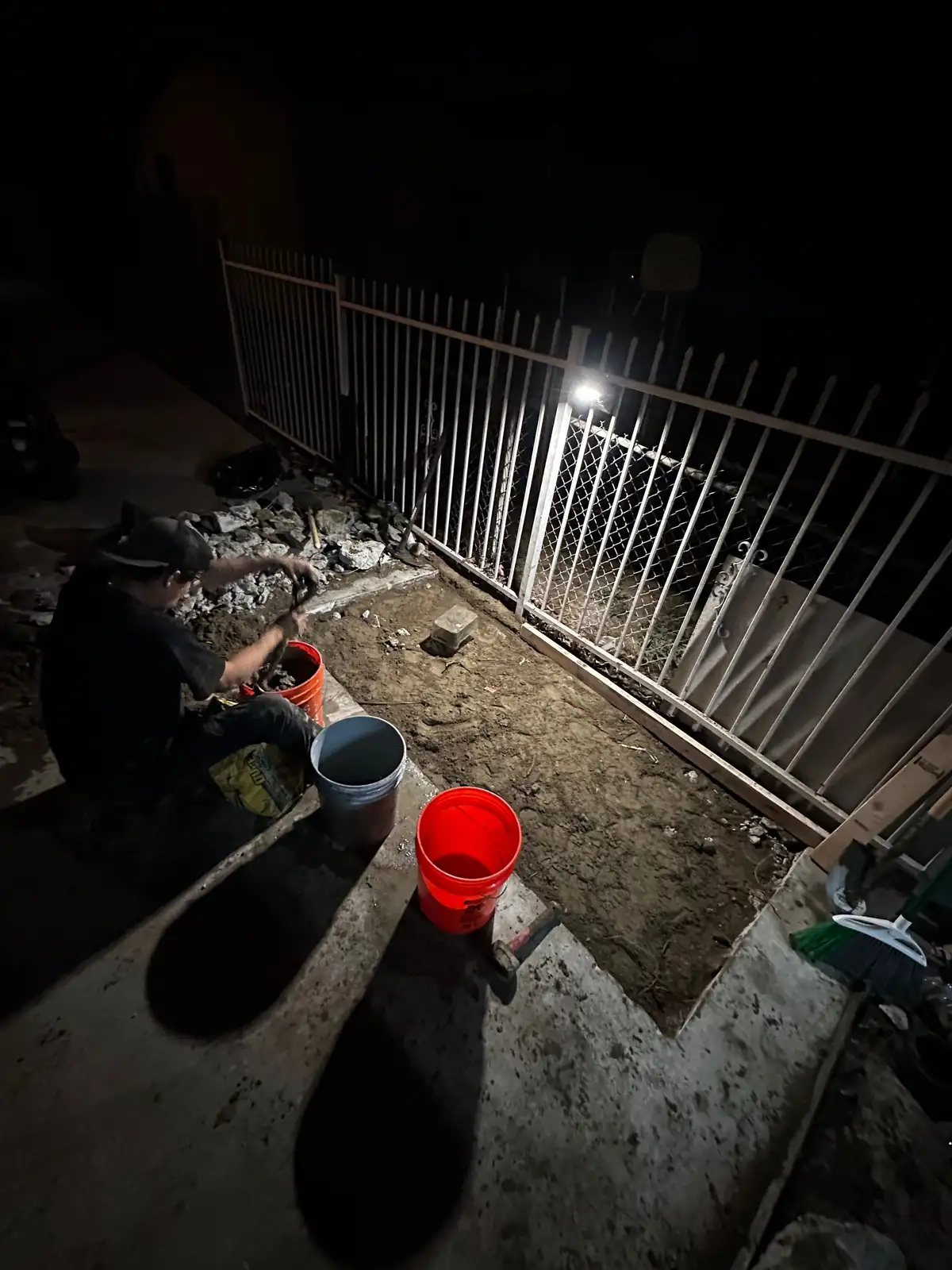

Inglewood is moving fast. The SoFi Stadium footprint, the Clippers arena under construction at Hollywood Park, and a decade of rising property values have pushed renovation activity into neighborhoods that hadn't seen serious reinvestment since the 1960s. Buyers in Morningside Park, Fairview Heights, and North Inglewood are picking up 1940s and 1950s tract homes, stripping them to the studs, and installing kitchens and bathrooms that cost more than the original structure. A significant number of those renovations are being planned around plumbing systems that are 70 to 80 years old and have never been replaced.
That gap — between a high-end renovation budget and infrastructure that predates the Korean War — is where expensive surprises live. This post covers what those original systems actually look like in Inglewood's housing stock, what fails first, and why a pre-renovation plumbing audit changes the cost math in your favor before a single tile gets set.
What the original plumbing looks like in a 1940s Inglewood tract home
Most homes built in Inglewood between 1945 and 1965 came with galvanized steel supply lines — hot and cold — and cast iron drain, waste, and vent stacks. At the time, both were standard spec. Galvanized steel has a functional lifespan of roughly 40 to 50 years under normal water chemistry conditions. In Los Angeles, where the municipal water supply is moderately hard and chloramine-treated, the interior corrosion timeline tracks toward the faster end of that range.
A 1950 Inglewood home has galvanized supply that is now 74 years old. It isn't just old — it's past the point where interior rust deposits and mineral scale constrict flow. We regularly camera-scope supply risers in these homes and find effective internal diameters reduced by 50% or more. That translates directly to low water pressure at fixtures, inconsistent hot water delivery, and discolored water — especially first thing in the morning after the pipe has been sitting.
Cast iron drains hold up better than galvanized supply, but they're not indefinite. After 70 years, horizontal runs develop rust tuberculation on the interior, joints fail and offset, and sections exposed to root intrusion crack at the hub. The stack itself is usually still standing, but the under-slab horizontal runs that nobody sees are often the weak point.
Expansive clay and slab-leak risk in Inglewood
Inglewood sits on adobe clay soils that expand when wet and contract when dry. That seasonal movement — measured in fractions of an inch but repeated thousands of times over a home's life — works the joints and bends in any under-slab pipe. Original copper water service lines from the 1950s and 1960s are particularly vulnerable, because the clay movement acts like a slow-motion vice grip on inflexible pipe.
A slab leak in this context isn't always a catastrophic failure. It often starts as a pinhole that seeps into the subgrade for weeks or months before it surfaces. By the time a homeowner sees a warm spot on the floor or notices the water meter running overnight, the leak has been wetting the slab from underneath long enough to compromise the concrete and adjacent framing. Remodeling over an undetected slab leak — pouring new floors, setting tile, closing walls — turns a manageable repair into a major demo event.
If you're budgeting a full renovation in Fairview Heights or Inglewood Knolls and the home has never had a plumbing inspection, a camera scope of the drain system and a pressure test of the supply lines should come before the GC finalizes the scope. Catching a slab leak in the planning phase costs a fraction of what it costs after the new kitchen floor is down.
Why the renovation itself triggers plumbing failures
Opening walls in a 74-year-old home creates mechanical vibration. Running demo hammers, sawzalls, and reciprocating blades through walls adjacent to old galvanized supply often dislodges scale buildup that was physically plugging a corroded section of pipe. The homeowner finishes demo on a Friday and comes back Monday to standing water. The pipe didn't fail because of age alone — demo disturbed the last structural integrity holding the scale in place.
This happens more often than most renovation contractors expect, and it's not their fault. They're not plumbers and they're not scoping supply lines before they swing hammers. But the sequence of events — demo first, plumbing discovered second — is the most expensive way to find out what's in the walls. The permit for a kitchen or bathroom remodel in California requires that any supply lines disturbed during renovation be brought to current code. If demo exposes galvanized pipe that's visibly corroded, the inspector won't let you close the wall with it.
The practical outcome: if the house has original galvanized supply and you're doing a full gut renovation, a [whole-home repipe](/services/repipes) is not optional — it's a matter of when it happens and whether it happens on your schedule or the pipe's.
What a pre-renovation plumbing audit actually covers
A thorough pre-renovation audit on an Inglewood tract home involves four specific assessments. First, a [video camera inspection](/services/trenchless/camera-inspection) of the main drain and sewer lateral to document pipe material, joint condition, root intrusion, offset, and any active fractures. This is not optional on a pre-1965 home — it's the only way to know what you're working with without digging.
Second, a supply line pressure test to identify any drops that indicate active leaks under the slab or in the walls. Third, a visual inspection of the water heater, shutoff valves, and hose bibs — all of which tend to fail at about the same age as the rest of the system. Fourth, a gas line visual for any black iron or flexible appliance connections that are corroded or improperly routed.
The output of that audit is a prioritized list: what needs to happen before renovation, what can be addressed during rough-in, and what can wait. For most 1940s Inglewood homes, the repipe lands in column one. [Inglewood repipe services](/services/repipes) are typically scheduled during the rough-in phase of a renovation, when walls are already open and the incremental labor cost to swap supply lines drops significantly compared to doing it as a standalone job.
Galvanized replacement: what the repipe actually involves
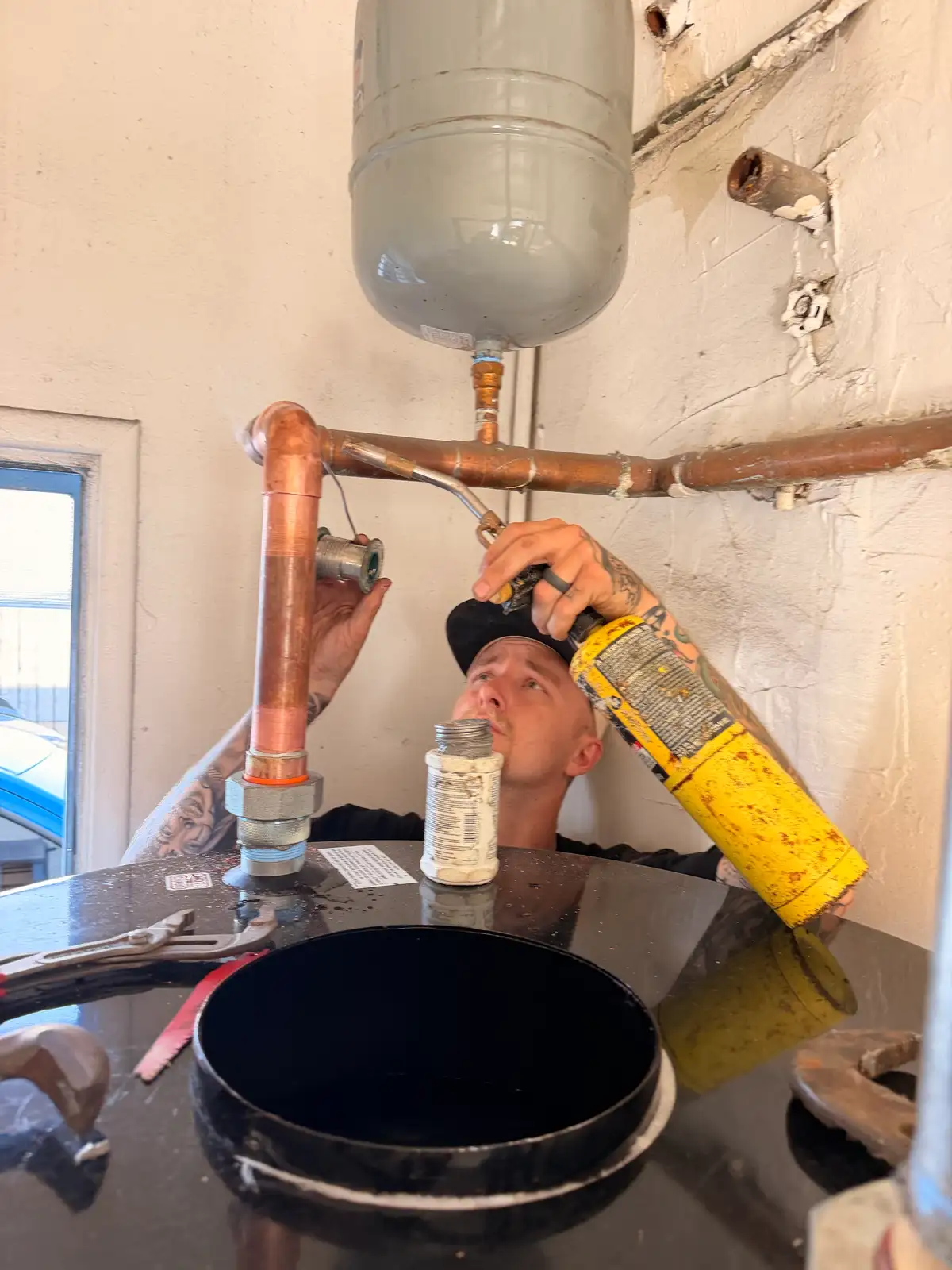
A whole-home repipe on a 1,200 to 1,600 square foot Inglewood tract home typically involves replacing all hot and cold supply lines from the meter to each fixture — kitchen, bathrooms, laundry, hose bibs — with PEX-A or Type L copper. The choice between those two depends on the homeowner's priorities, local water chemistry, and what's already in the walls. Both are current code and both outperform galvanized steel by a significant margin in longevity.
In a renovation context, the repipe is sequenced before drywall and after rough framing inspection. The plumber runs new supply through open walls and ceiling cavities, installs new shutoff valves at each fixture, and ties into the main at the service entrance. The old galvanized is capped and abandoned in place where removal isn't practical, or pulled if the demo scope already cleared the path.
For a tract home in North Inglewood or Morningside Park that hasn't been touched since original construction, a full repipe during renovation typically adds one to two days to the rough-in phase. It doesn't extend the overall project timeline if it's planned correctly — it only gets expensive when it's discovered mid-project rather than at the start.
Active gentrification means the inspector will look closely
Inglewood is in an active reinvestment cycle, and the city's building department knows it. Permit volume on residential remodels has increased substantially over the past five years. Inspectors on gut renovations in Hollywood Park, Downtown Inglewood, and surrounding blocks are not rubber-stamping rough-in inspections. If opened walls reveal galvanized supply being reconnected to new fixtures without replacement, the inspector has grounds to require the work to be redone.
Beyond inspections, there's a disclosure dimension. California requires sellers to disclose known material defects. A homeowner who renovates a kitchen and bathroom without addressing galvanized supply — then sells two years later — is in an uncomfortable position if the buyer's inspector flags corroded supply lines. The renovation that was supposed to add value now has a documented infrastructure deficiency attached to it.
The cleanest path through a renovation in an Inglewood tract home is also the most straightforward one: scope the plumbing before demo, address what needs to be addressed during rough-in, and close walls with infrastructure that will hold up for the next 40 years.
What to do before your renovation starts
If you're in the planning phase of an Inglewood renovation — whether you just closed on the property or you've owned it for years and are finally pulling the trigger — the first call should be to a licensed plumber for a pre-renovation scope, not to a GC for a demo estimate. The plumbing assessment costs a fraction of what mid-renovation discoveries cost, and it gives your GC accurate information to build a realistic schedule.
We're a Licensed C-36 contractor (#901735) headquartered in Lomita, operating across 16 South Bay cities including Inglewood. Our target response time in Inglewood is 35 minutes, and we run 24/7 dispatch with no overtime fees. For pre-renovation audits, camera inspections, and repipes on 1940s and 1950s tract homes, call us at (310) 808-7343 or use the contact form on this site. We'll tell you exactly what's in the walls before your contractor opens them.
Tags
Related Services