Water heater replacement in a Lomita mid-century home comes down to three variables: what fits in the garage, what the existing gas line can feed, and how long you plan to stay in the house. A standard 40- or 50-gallon tank replacement is the faster, cheaper install in most cases. A tankless unit pays off over time — but only when the retrofit conditions actually support it.
Lomita's housing stock runs from 1930s pre-war bungalows near Old Lomita to 1950s and early-1960s tract ranches on the Eastside and Westside. The majority of those homes put the water heater in the garage — either in a dedicated alcove or strapped against an interior wall. That single detail shapes everything about the replacement decision. You can learn more about the full range of options we handle at [Lomita water heater services](/service-areas/lomita/water-heaters).
What a typical Lomita garage install looks like
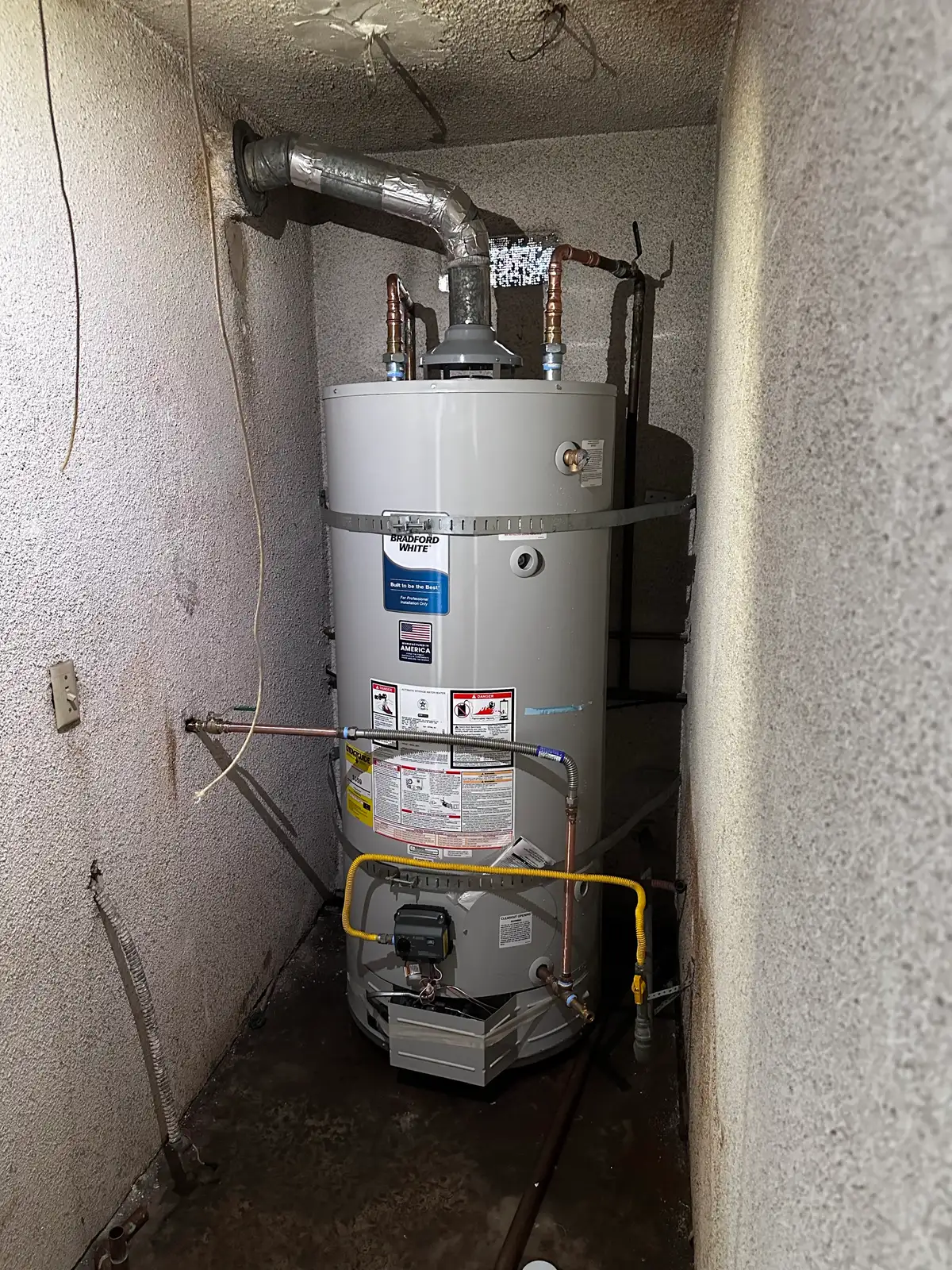
Post-war Lomita ranch homes typically have an attached single-car or two-car garage with a water heater set against the shared house wall. The unit sits in a drain pan, strapped to a stud wall, with a flue running up through the drywall or directly out through a roof or exterior wall penetration. The gas stub is usually a 1/2-inch line tapped off the main house supply.
That 1/2-inch gas stub is the first constraint. A standard tank water heater at 40,000 BTU draws comfortably from that supply. A tankless unit — depending on the model — may require a 3/4-inch or even 1-inch dedicated gas line, plus a larger meter if the home's existing demand is already close to the meter's rated capacity. Homes in Narbonne Avenue Corridor neighborhoods often have aging black-iron gas piping that needs inspection before any new appliance is hung on it.
The second constraint is venting. Most tank units in Lomita use a Category I B-vent — the double-wall aluminum pipe that drafts naturally. Tankless units are typically Category III or IV and require sealed stainless exhaust paired with a combustion-air intake. That means cutting two new wall or roof penetrations if the existing vent path can't be reused. On a 1955 stucco ranch, that's a real cost factor.
Tank replacement: when it's the right call
A direct tank-for-tank swap makes sense when the footprint, gas supply, and vent path all match the outgoing unit. If the existing alcove fits a 40- or 50-gallon unit and the household hot-water demand is covered by that volume, replacement is straightforward: pull the old unit, install the new one on the existing connections, re-strap, re-strap the pan drain, and pass inspection. In Lomita, our target is to complete a standard tank swap in a single visit.
Tank units also make more sense for households with lower daily hot-water demand — two occupants, no large soaking tubs, minimal simultaneous fixture use. For a retired couple in a two-bedroom Westside ranch, a 40-gallon 0.67 UEF unit at roughly $900–$1,300 all-in is a reasonable choice with a realistic 10- to 12-year service life before the next evaluation.
One situation where tank is clearly wrong: if the outgoing unit is already a high-efficiency power-vent model and the current exhaust configuration uses PVC rather than metal B-vent, verify whether the replacement unit matches that spec. Mixing venting categories is a code violation and a carbon monoxide risk.
Tankless retrofit: sizing and gas supply first
The sizing calculation for a tankless unit starts with flow rate demand, not gallons. In a Lomita ranch home with one or two bathrooms, typical peak demand is 2.0–2.5 gallons per minute — a shower and a running kitchen faucet simultaneously. At a groundwater inlet temperature around 65°F (standard for this area), you need roughly a 30°F temperature rise to hit 95°F delivered. A unit rated at 7–9 GPM at that rise covers a two-bath home with room to spare. Oversizing beyond actual peak demand wastes gas and increases install cost without a payoff.
Before committing to tankless, we run a gas load calculation. We add up every appliance on the meter — furnace, range, dryer if gas, fireplace if gas — and compare that to the meter's rated capacity. Homes on the Pacific Coast Highway Corridor sometimes have undersized meters from original construction that haven't been upgraded through subsequent appliance additions. If the math doesn't work, a gas line upgrade and potentially a meter upgrade are part of the job cost and must be factored into the ROI calculation.
When the gas supply works out, [tankless water heater installation](/services/water-heaters) in a Lomita garage typically runs $2,800–$4,500 depending on the unit tier, gas line work, and vent penetration count. A well-matched unit can last 18–22 years with annual descaling. In a home where occupants are staying 10 or more years and hot-water demand is high, the math favors tankless. In a flip or a near-term sale, it often doesn't.
Permit and earthquake-strap requirements in Lomita
Los Angeles County requires a permit for water heater replacement in Lomita. The permit covers seismic strapping, the T&P relief valve discharge line, and the drain pan connection. Strapping must meet the two-strap method — upper and lower — anchored to wall studs, not drywall anchors. On older Lomita garages with 2x4 stud walls, we confirm stud location before anchoring so the straps actually hold under load.
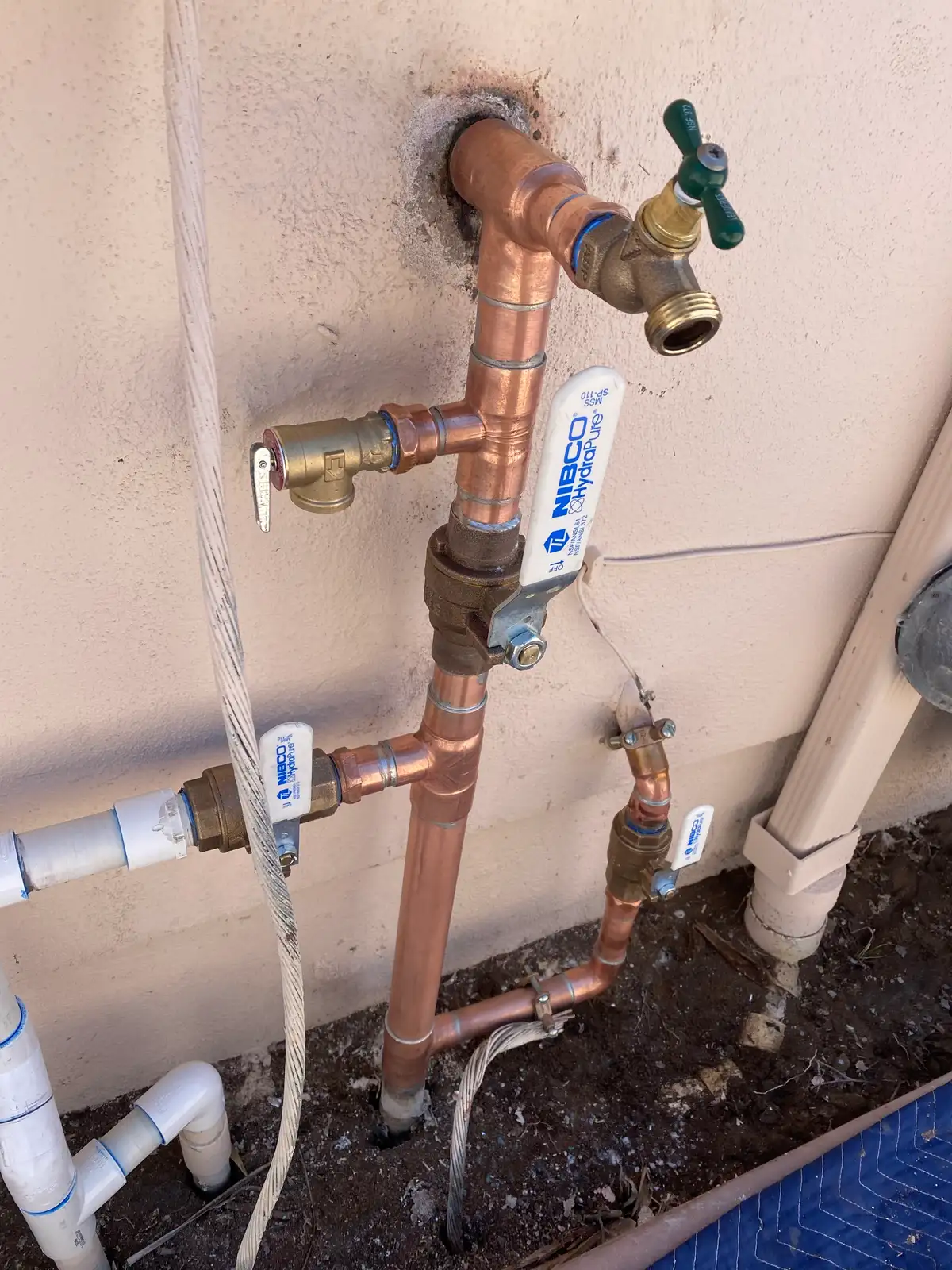
The T&P relief valve discharge line must run to within 6 inches of the floor or into an approved drain — not terminate behind the unit or above a combustible surface. This is one of the most common DIY installation errors we see when we're called in to correct a prior installation. An uninspected install that fails this detail voids the unit's warranty and creates liability exposure.
For tankless units, the permit also covers the new wall penetrations and any gas line modification. Lomita inspections through LA County Building and Safety typically schedule within 3–5 business days for a residential water heater. We pull the permit, schedule the inspection, and coordinate so the home isn't without hot water longer than necessary.
When the decision isn't purely technical
Real estate context matters in Lomita. The city is a 15-minute target response market for us — our fastest in the South Bay, given our headquarters here — and we see a consistent volume of pre-sale water heater replacements in Old Lomita and the Eastside. A tank unit installed to code passes inspection and satisfies a buyer. A tankless unit can be a selling point but only when the gas line work is clean and the permit is closed. A tankless unit installed without a permit is a liability that shows up on disclosure.
Budget context also matters honestly. A homeowner managing deferred maintenance across a 1958 ranch — roof, HVAC, plumbing — may be better served by a reliable tank replacement that frees capital for higher-priority work. Tankless is not automatically the premium choice; it's the right choice when the install conditions support it and the usage pattern justifies the cost differential.
Lomita water heater replacement questions we hear most
**How long does a standard tank replacement take in a Lomita garage?** For a direct swap on an existing tank with no gas line changes, one visit of 2–4 hours covers removal, installation, strapping, pan drain, and leak check. Permit inspection is a separate step, typically within the same week.
**Do I need to upgrade my gas line if I switch to tankless?** Not always, but often. We run a gas load calculation before every tankless quote. If existing appliances already consume most of the meter's rated capacity, a line upgrade or meter upgrade is required. We give you that answer before any commitment.
**What size tank do I need for a three-bedroom Lomita home?** Household size matters more than bedroom count. For 3–4 occupants with standard usage, a 50-gallon unit is the typical fit. A first-hour recovery rating of 60–80 gallons covers morning peak demand without running cold.
**Are earthquake straps required, and who verifies them?** Yes — LA County code requires two-point seismic strapping on all new water heater installations. The county inspector verifies this at final inspection. Straps must be anchored to framing, not drywall. We don't close a job without that being correct.
**Is Mainline licensed to do this work?** Yes. We hold California C-36 plumbing contractor license #901735, which covers water heater installation, gas line work, and associated permit pulls in Lomita and across all 16 South Bay cities we serve. You can verify the license number on the CSLB website at cslb.ca.gov.
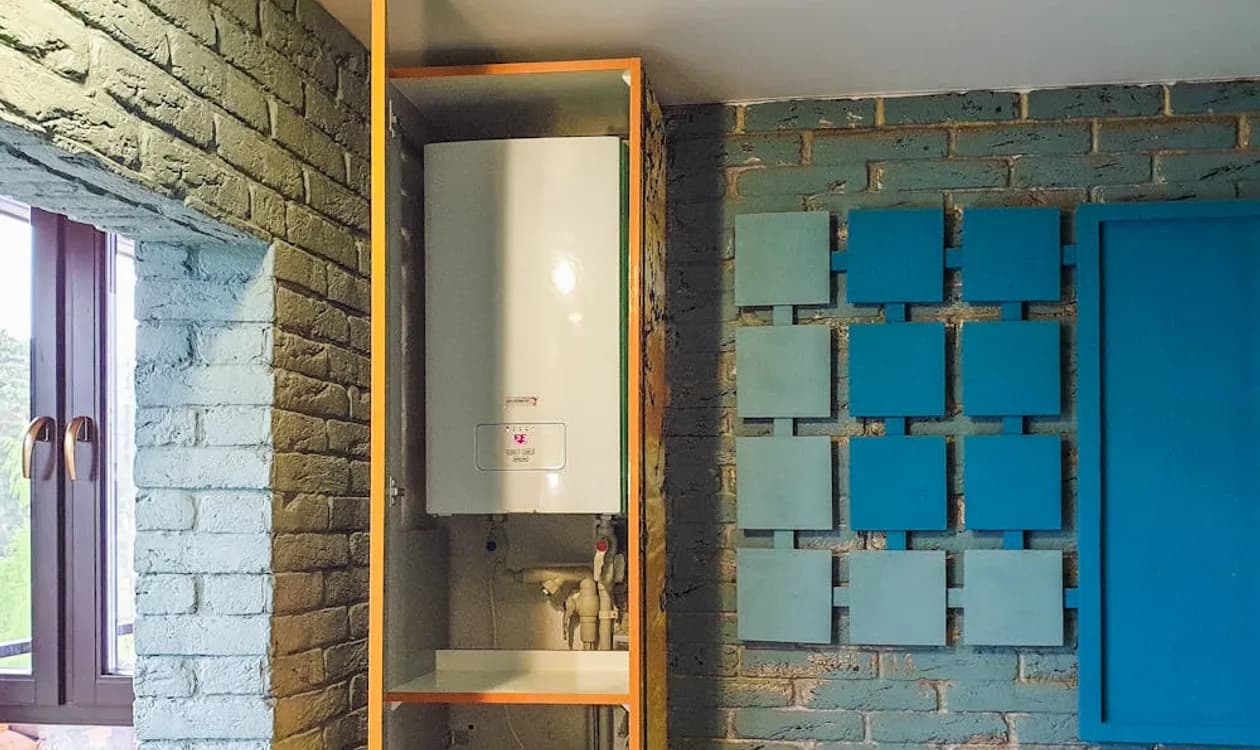
**Does a tankless unit work in a small Lomita garage?** The unit itself is compact — most wall-mount tankless units measure roughly 18 by 27 inches. The space constraint is usually the new venting penetrations, not the unit footprint. We assess clearance, combustion air availability, and exhaust path during the site evaluation.
What to do next
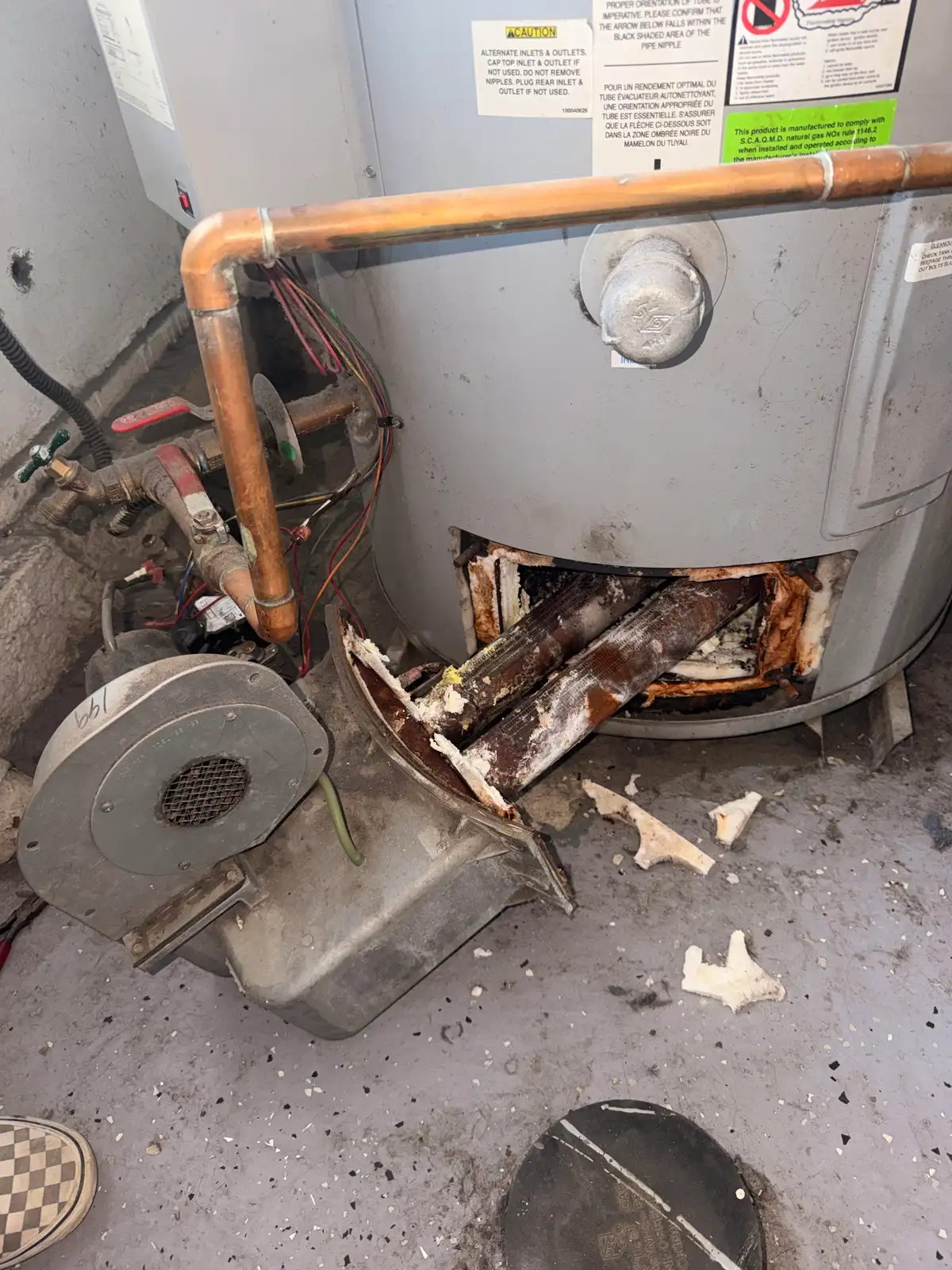
If your Lomita water heater is more than 10 years old, showing rust at the base, taking longer to recover, or making rumbling noises from scale buildup, it's worth getting a replacement quote before it fails overnight. An emergency replacement under pressure costs more and limits your options.
We serve all of Lomita — Old Lomita, Eastside, Westside, the Pacific Coast Highway Corridor, and the Narbonne Avenue Corridor — with a 15-minute target response and 24/7 dispatch. No overtime fees on nights or weekends. Call us at (310) 808-7343 to schedule a water heater evaluation or get a same-week install quote.
Tags