When an atmospheric river stalls over Los Angeles County, low-lying Long Beach neighborhoods flood faster than most homeowners expect. Water enters through three distinct failure points — an overwhelmed sump, a mainline backflow, or a compromised cleanout — and each requires a different first response. Treating the wrong one wastes critical minutes and can make the damage worse.
Naples, Alamitos Beach, Belmont Shore, and Bluff Park sit at or near sea level, with soil drainage that saturates quickly once the storm total passes two inches in a few hours. Long Beach's highly varied housing stock — from 1920s bungalows in California Heights to mid-century duplexes in Bixby Knolls — means pipe ages and configurations differ block by block. There is no universal fix. There is a diagnostic sequence, and it starts the moment water appears on the floor.
What you're actually dealing with in the first 10 minutes
The first question is not "how do I stop the water" — it's "where is the water coming from." Pull back floor coverings and locate the lowest drain in the affected area. If water is bubbling up from that drain, you have a mainline backup, not a surface flood. If water is entering from a wall penetration, a door threshold, or a window well, you have surface intrusion. If a sump pit is visible and the pump is running but not keeping up, you have a capacity or discharge failure.
Turn off electricity to the flooded zone at the breaker panel before stepping into standing water. This is not optional. Long Beach's older housing stock, particularly pre-1960 construction in Belmont Heights and Old Long Beach, often has electrical panels that are not adequately separated from flood-prone utility spaces.
Do not attempt to plunge or rod a drain that is backing up during active storm flow. The lateral may be submerged at the street connection, and forcing water backward through a full system can rupture older clay tile. Document what you see, shut off the water supply main if any supply lines appear compromised, and call for emergency dispatch.
Mainline backup vs. sump failure: how to tell the difference
A mainline backup typically produces sewage odor, dark water, or solid material rising from floor drains, toilets, or the lowest cleanout. It affects multiple fixtures simultaneously. It does not respond to a sump pump running or stopping. During a storm, this usually means the municipal lateral connection is submerged or the house lateral is blocked and has nowhere to drain.
A sump failure is different. The water entering the pit is groundwater and surface runoff — it's relatively clear, rises from below the slab, and is contained to the area near the pump. The pump may be running continuously without reducing the water level, which points to a discharge line that's blocked, frozen, or undersized for the volume. It can also mean the float switch has failed or the pump motor has burned out from running dry in a prior cycle.
In Naples and Alamitos Beach specifically, both failures can occur simultaneously during a major storm because the water table rises and the municipal system surcharges at the same time. If you're seeing clear water from the pit and sewage from a floor drain in the same space, you are dealing with two separate problems that need to be scoped individually before any repair begins.
The Long Beach infrastructure factor
Long Beach operates its own municipal sewer system separate from the Los Angeles County system. During heavy rain events, surcharging in the city's combined infrastructure can create back-pressure on private laterals — particularly in low-lying areas where gravity drainage offers little margin. Homes in Naples, with its canal-adjacent lots, and the Alamitos Beach flats have the least elevation advantage of any neighborhoods in the city.
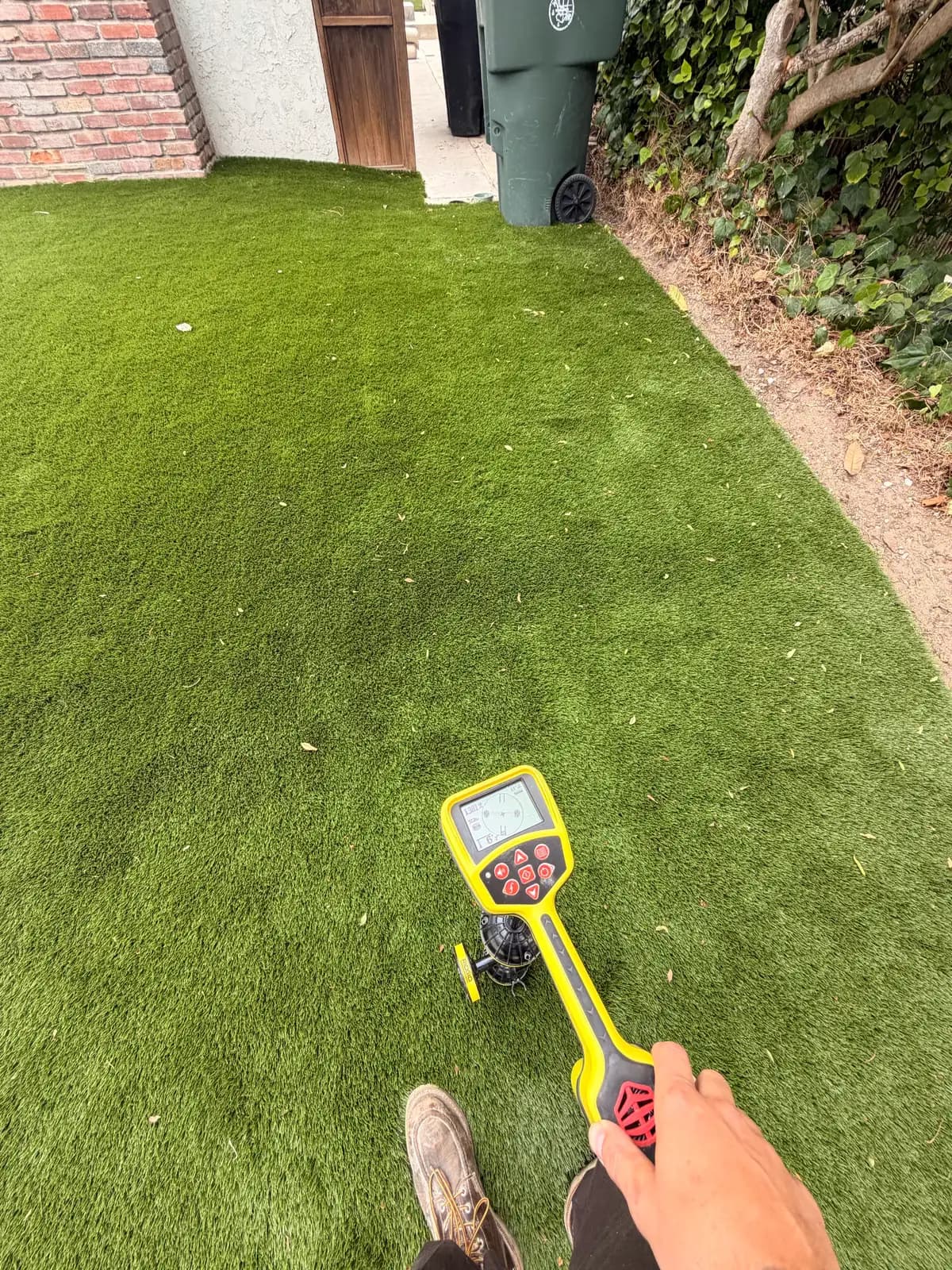
Many Long Beach homes on the 1910–1940 build cycle in Belmont Shore and California Heights still have vitrified clay laterals connecting to the city main. Clay joints shift with soil movement and root intrusion, and a lateral that passes a camera inspection in dry conditions can fail under the hydraulic pressure of a surcharging main during a 3-inch rain event. A [camera inspection](/services/trenchless) performed before storm season is the only reliable way to know your lateral's actual condition.
For [Long Beach emergency plumbing](/service-areas/long-beach/emergency-repair), response time from our Lomita headquarters runs approximately 40 minutes under normal traffic. During a major storm event, we dispatch in order of confirmed active flooding and documented safety hazards — sewage backup with electrical exposure moves to the top of the queue.
Atmospheric river prep: what to do before the storm hits
Check your sump pit at least 72 hours before a forecasted atmospheric river event. Pour a bucket of water into the pit and confirm the float triggers the pump within a few seconds. The pump should clear the water completely and cycle off. If it runs continuously, labors, or doesn't trigger at all, that pump needs service before the storm, not after.
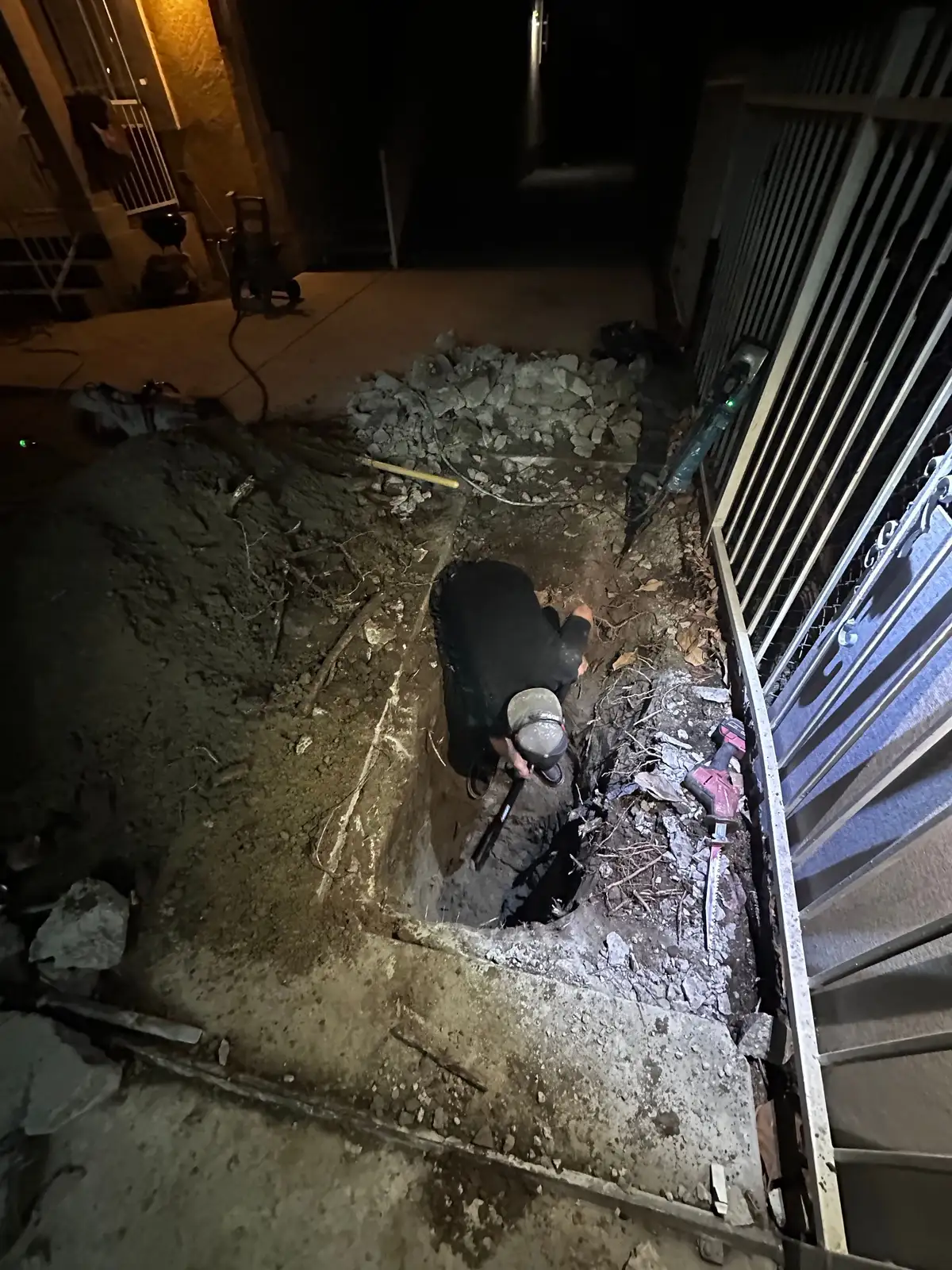
Locate your main sewer cleanout — typically a 4-inch capped fitting in the yard or near the foundation. Keep it accessible and unobscured. If a mainline backup occurs, a plumber cannot access the system quickly if the cleanout is buried under a planter or poured concrete. In many Bixby Knolls and Bluff Park properties we've worked on, the cleanout hasn't been touched in decades and requires excavation just to reach.
Identify the main water shutoff valve and confirm it turns. A supply-line failure during a storm — from a corroded fitting or a pipe that shifts in saturated soil — can add clean water volume to an already-flooded space. Knowing exactly where and how to shut off the main cuts that risk immediately.
When the storm is over: what needs inspection before you close the walls
Once standing water is removed, resist the urge to dry and patch immediately. Flooded spaces need to be inspected for pipe integrity before restoration work begins. A lateral that surcharge-flooded once will do it again if the root cause — a cracked joint, a sagging section, a partial blockage — isn't addressed. A [trenchless sewer repair](/services/trenchless) on a confirmed defect is far cheaper than a second flood event after drywall and flooring have been replaced.
Check every accessible cleanout for tide marks above the cap. Sediment lines inside a cleanout tell you exactly how high the backup reached and whether it entered the structure or stopped short. That information is useful for insurance documentation and for scoping the repair.
Gas lines in flooded crawlspaces and utility areas warrant a pressure test before appliances are restarted. Saturated soil shifts, and a fitting that was marginal before the storm may have moved. This is particularly relevant for Long Beach homes with flexible corrugated stainless steel tubing installed in the 1990s and 2000s, which can develop pinhole corrosion where the jacket retains moisture.
Long Beach emergency plumbing questions we hear most
**Can I use my toilets during a mainline backup?** No. Every flush adds volume to a system that cannot drain. If toilets are backing up or gurgling during a storm, shut off the water main and stop all fixture use until the lateral clears or is serviced.
**My sump pump is running but the water isn't going down — what's wrong?** The three most common causes are a blocked or frozen discharge line, a check valve stuck closed trapping water in the return, and a pump motor that's overheated and reduced output. None of these self-resolve. The pump needs to be pulled and the discharge line traced before the storm peak.
**How do I know if the flooding is covered by homeowners insurance?** That's a coverage question for your insurer, not a plumbing scope we can advise on. What we can do is document the source — mainline backup, sump failure, or surface intrusion — with camera and pressure evidence, which your adjuster will likely request.
**Is your crew actually licensed for this work?** Yes. Mainline No-Dig Trenchless Plumbing holds C-36 license #901735. You can verify that directly at the CSLB license lookup at cslb.ca.gov.
**How fast can you get to Naples or Alamitos Beach during a storm?** Our standard target response from Lomita is 40 minutes under normal conditions. During active storm events, dispatch prioritizes confirmed flooding with electrical hazards or sewage exposure first. Call (310) 808-7343 and describe exactly what you're seeing — that determines queue placement.
**Do you charge overtime fees for storm-night calls?** No. We do not charge overtime premiums for nights, weekends, or holidays. Dispatch is 24/7 and the rate structure doesn't change based on the time of the call.
What to do next
If you're in active flooding right now: shut off electricity to the affected zone, identify the water source, stop all fixture use if a mainline backup is suspected, and call (310) 808-7343. Describe what you're seeing in specific terms — which fixture is backing up, what the water looks like, whether the sump is running. That conversation takes 90 seconds and gets the right equipment dispatched.
If the storm hasn't hit yet and you want your lateral and sump inspected before it does, that's the smarter sequence. A camera run on the lateral and a sump cycle test give you a clear picture of your actual risk — not a guess based on the home's age. Book through (310) 808-7343 or the contact form on this site. Licensed C-36 #901735, serving Long Beach neighborhoods including Naples, Alamitos Beach, Belmont Shore, Bluff Park, California Heights, and Bixby Knolls.
Tags
Related Services