A 4- or 5-bedroom home in Rolling Hills Estates with three or more full baths needs a water heating system sized to peak simultaneous demand — not to the number of people living there. A single 40- or 50-gallon tank is undersized for that load by design. The question isn't whether to upgrade; it's which configuration actually eliminates the problem.
The Dapplegray and Chandler Ranch neighborhoods are typical: estate-footprint homes with long plumbing runs from the mechanical room to the primary suite, a guest bath, and a kitchen that may be 80 or more feet away. That distance is where most hot-water complaints originate — not inadequate heating capacity, but inadequate delivery speed.
Why big homes in Rolling Hills Estates wait for hot water
The physics are simple. Cold water sitting in supply lines between the water heater and a fixture has to be pushed out before hot water arrives. In a compact tract home, that column of water might be 10 to 15 feet. In a custom estate on a steep Highridge or Terraces lot, the same run can exceed 80 feet — and larger-diameter pipe holds even more cold volume.
The terrain adds another variable. Rolling Hills Estates homes commonly span multiple levels, with sewer drops over 50 feet vertical and supply lines routed up and around grade changes. That routing adds pipe length and, in some cases, creates elevation pressure differences that slow delivery further.
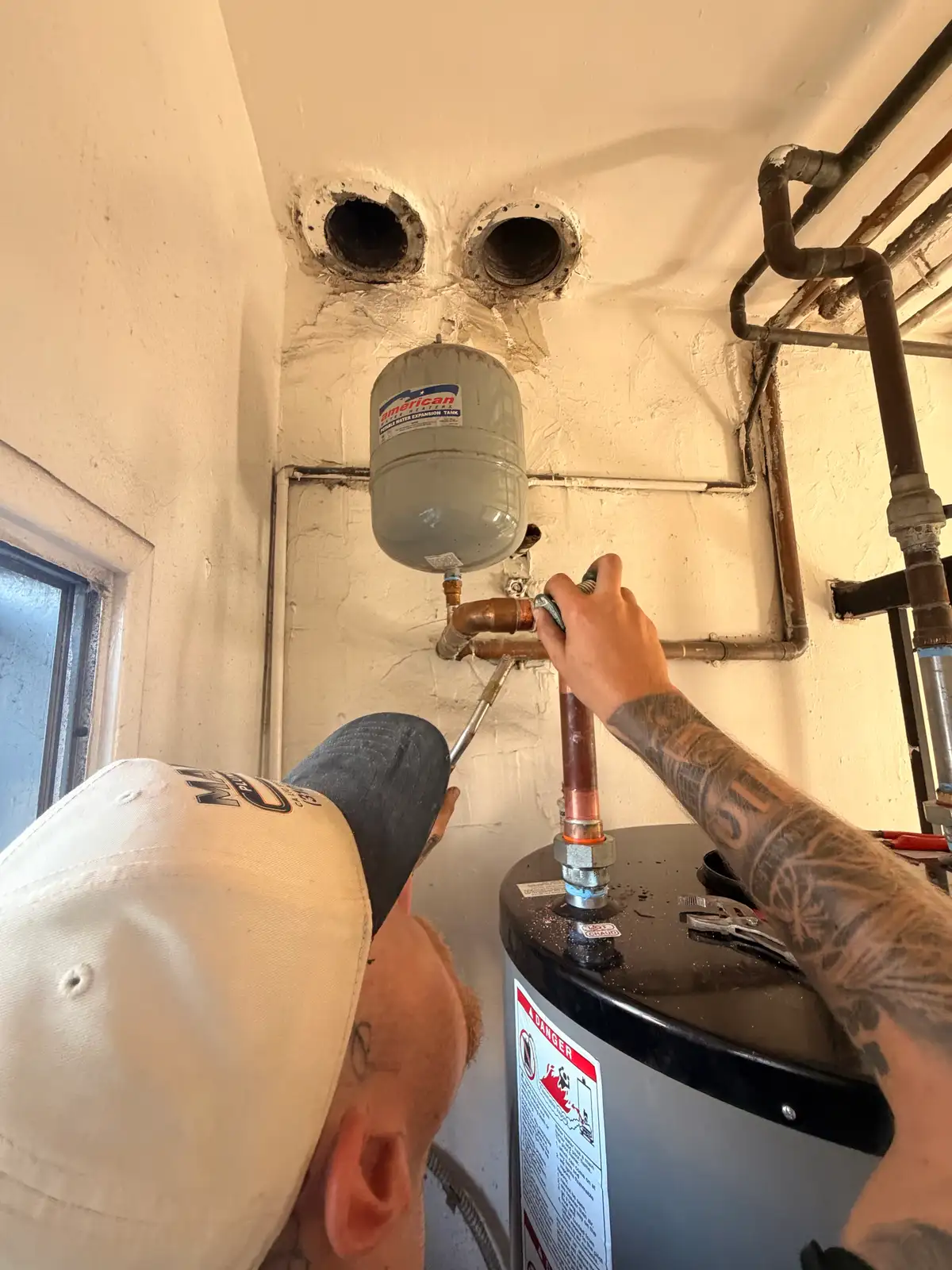
A standard 50-gallon tank sitting in a basement utility room can produce plenty of hot water in total — but it takes 45 to 90 seconds to arrive at an upstairs master bath. Multiply that across a 6-person household with staggered morning schedules and you get the complaints we hear most often at [water heater installations in Rolling Hills Estates](/service-areas/rolling-hills-estates/water-heaters).
High-recovery tank versus tankless: what the numbers mean
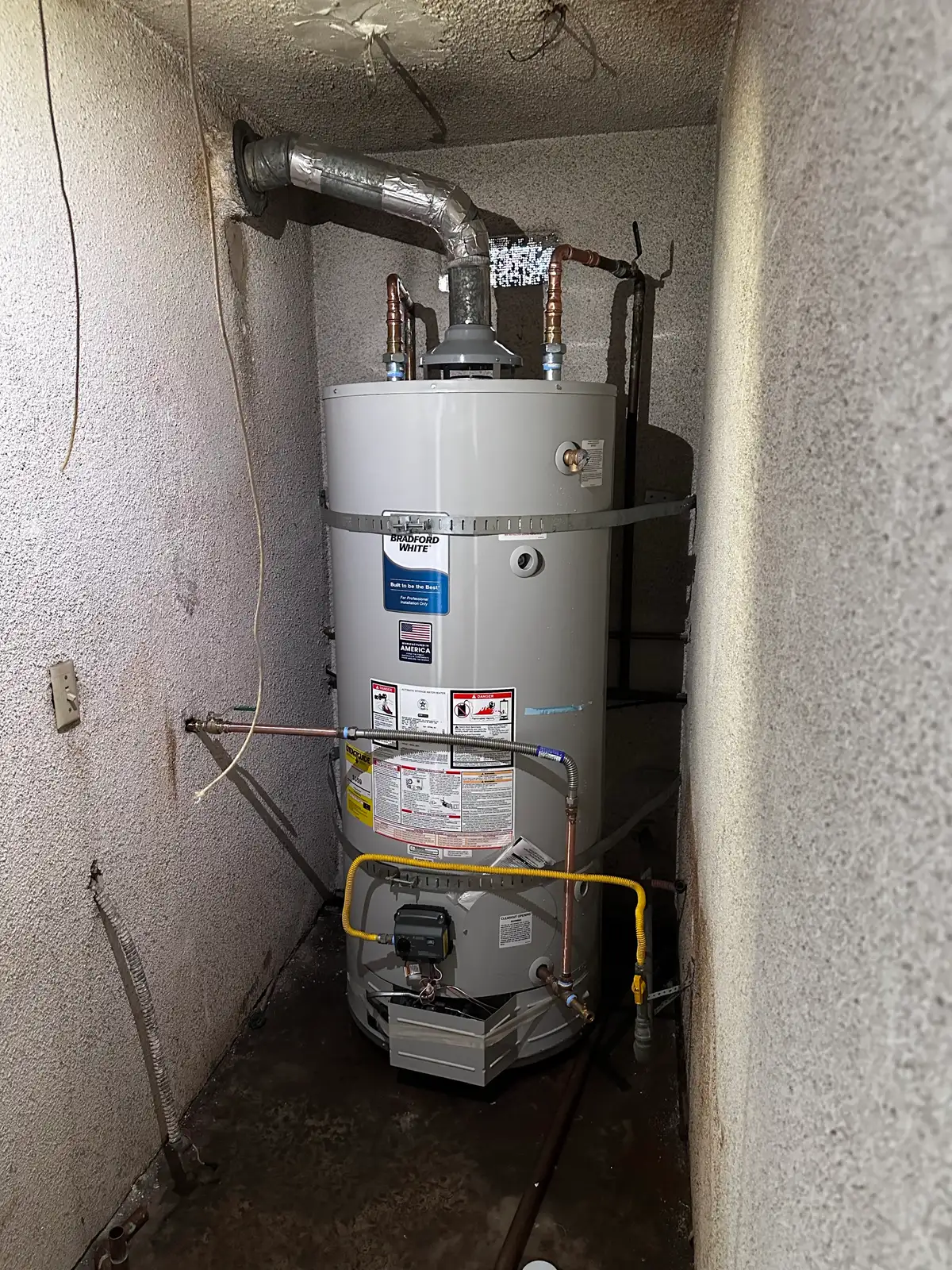
A high-recovery gas storage tank — typically 75 to 100 gallons with a first-hour rating above 120 gallons — works well when demand is sequential rather than simultaneous. If your household runs one shower at a time, a well-sized tank with a recirculation loop solves the wait problem without the complexity of a tankless system.
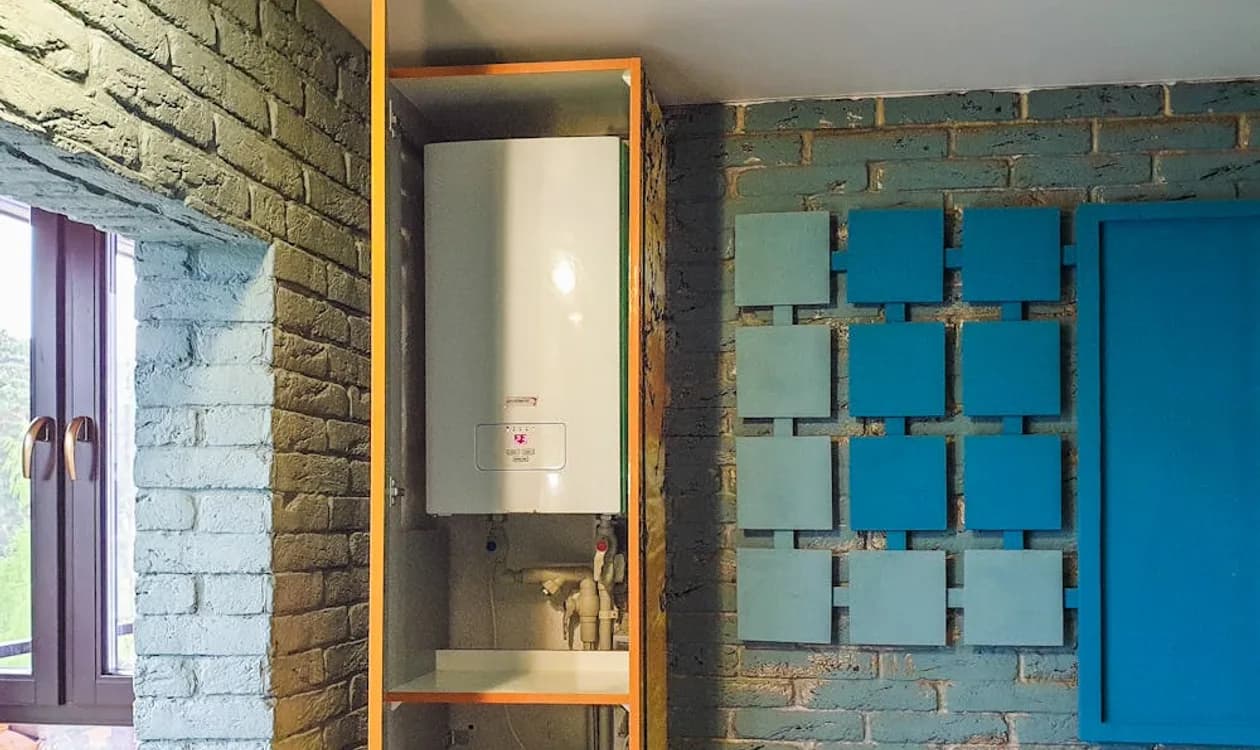
Tankless units eliminate standby heat loss and produce hot water on demand, but a single residential tankless unit has a maximum flow rate — typically 8 to 11 gallons per minute depending on the unit and incoming groundwater temperature. If two showers, a dishwasher, and a laundry machine run at the same time during peak morning hours, one unit is at or past its limit.
The solution for large estates with simultaneous demand is a banked tankless configuration: two units installed in parallel, each handling a portion of the total load. This setup also provides redundancy — if one unit requires service, the other maintains partial hot water supply. The trade-off is higher upfront cost, more complex venting, and the need for a gas line capable of supplying both units under simultaneous fire.
Recirculation loops: how they actually work
A recirculation system keeps hot water circulating continuously — or on a timer — through a dedicated return line so that hot water is already at or near each fixture when you open the tap. The wait drops from 45–90 seconds to under 10. For a Ranchero or Rolling Vista home where the master suite is on the opposite end of the structure from the mechanical room, this is the most direct fix to the complaint.
There are two configurations. A dedicated-return loop runs a separate small-diameter pipe from the far end of the hot-water distribution back to the water heater. This is the cleaner system and the one we recommend for new construction or during a remodel when walls are open. A demand-controlled crossover valve at the far fixture is the retrofit option — it uses the cold-water line as the return path and activates only when a button is pressed or motion is detected. It works, but it introduces slightly warm water into the cold supply line for a short period after activation.
Timer-based systems that run continuously waste energy. A properly configured demand or aquastat-controlled recirculation pump runs only when needed. On a banked tankless system, the recirculation integration requires specific compatibility — not every tankless unit handles recirc well without an internal pump or a compatible external pump. This is worth confirming before you purchase equipment.
If your home already has a [trenchless or repipe project](/services/water-heaters) planned, that's the right time to rough in a dedicated return line. Adding it after drywall is closed costs significantly more.
Gas line capacity and venting on steep terrain
Tankless water heaters — and especially banked pairs — require gas supply capable of delivering peak BTU demand simultaneously. Most Rolling Hills Estates homes were built with a gas line sized for a single storage tank, a furnace, and a range. Adding two high-BTU tankless units often requires upsizing the meter connection or the branch serving the utility room.
Venting on steeply sloped lots presents its own constraint. Concentric PVC venting (direct-vent systems) needs a clear exterior path, and on a hillside lot, that path may run through finished walls, crawl spaces, or around structural elements. We scope the vent route before committing to a unit, because the vent length and number of elbows affect which unit models are actually eligible. A unit that works on a flat lot may exceed its maximum vent run in a multi-level Chandler Ranch home with the mechanical room below grade.
What sizing actually requires
Accurate sizing starts with a fixture count and peak demand estimate — not a square footage guess. We count every shower, tub, dishwasher, and laundry connection, assign a flow rate to each, and estimate realistic simultaneous usage during peak morning hours. For a 5-bedroom Rolling Hills Estates estate with 4.5 baths, peak simultaneous demand typically falls between 10 and 14 gallons per minute.
From that number, we back into equipment configuration. If peak demand is under 10 GPM and usage is largely sequential, a single high-efficiency tankless unit with a recirculation pump handles it. Above 10 GPM with confirmed simultaneous usage, a banked pair or a hybrid tank-plus-tankless staged system is more reliable. We don't recommend undersizing and hoping — at this price point, getting it wrong on day one is expensive to correct.
The gas line audit and vent route assessment happen before the equipment order. That sequence matters. Too many installs are designed around a preferred unit, then run into venting or gas supply constraints that require field modifications or equipment swaps.
Rolling Hills Estates water heater installation questions we hear most
How long does a water heater installation take in Rolling Hills Estates? A straightforward same-system replacement on a flat utility room runs 3 to 5 hours. A tankless conversion with new venting, a gas line upsize, and recirculation pump installation typically takes one full day, sometimes spilling into a second morning for inspection.
Does the steep terrain here affect the job? It affects access and venting, not the plumbing itself. Equipment staging on a steep driveway or hillside pad requires extra handling steps. Vent routing on a multi-level home with the mechanical room below grade adds time and may limit which units are eligible based on maximum vent run specs.
Do I need a permit for a water heater replacement in Rolling Hills Estates? Yes. Any water heater replacement in the City of Rolling Hills Estates requires a permit, and tankless conversions that involve gas line or venting changes require a final inspection. We pull the permit as part of the job — it's not optional and it's not a separate expense on our end.
Can I run one tankless unit for a 5-bath home? It depends on simultaneous demand. If your household has staggered usage and peak demand stays under 9 or 10 GPM, a single properly sized unit works. If two or more showers run simultaneously during morning hours, one unit will fall short on temperature at the higher draw points. We size to actual usage, not optimistic assumptions.
Is a recirculation system worth it in a large Rolling Hills Estates home? For any home where the farthest fixture is more than 50 feet from the water heater, yes. The energy cost of running the pump is small relative to the water wasted and the comfort improvement. On a demand-controlled system, the pump only activates when someone initiates hot water — standby losses are minimal.
How do I verify Mainline No-Dig Trenchless Plumbing's license? Look up contractor license #901735 directly on the CSLB website at cslb.ca.gov. It's a C-36 plumbing license, active and in good standing. You can verify it in under two minutes without calling anyone.
What to do next
If your Rolling Hills Estates home has more than three full baths and you're waiting more than 30 seconds for hot water at any fixture, the system isn't sized or configured correctly for your layout. That's a solvable problem — but the solution depends on a site assessment, not a spec sheet.
Mainline No-Dig Trenchless Plumbing (Licensed C-36 #901735) serves Rolling Hills Estates with a 25-minute target response time and 24/7 dispatch. We pull permits, handle gas line and venting coordination, and size recirculation systems to match actual fixture loads — not square footage estimates.
Call us at (310) 808-7343 to schedule a water heater sizing assessment. We'll walk the utility room, count fixtures, audit the gas supply, and give you a clear configuration recommendation before any equipment is ordered.
Tags