A sewer snake clears a blockage. Hydro-jetting removes what caused it. In San Pedro's pre-1960 housing stock — particularly in Old San Pedro, Vinegar Hill, and Point Fermin — original cast-iron drain lines have spent 60 to 90 years collecting grease, mineral scale, and root intrusion. By that age, snaking the same line every 18 months is a symptom of a pipe that hasn't actually been cleaned.
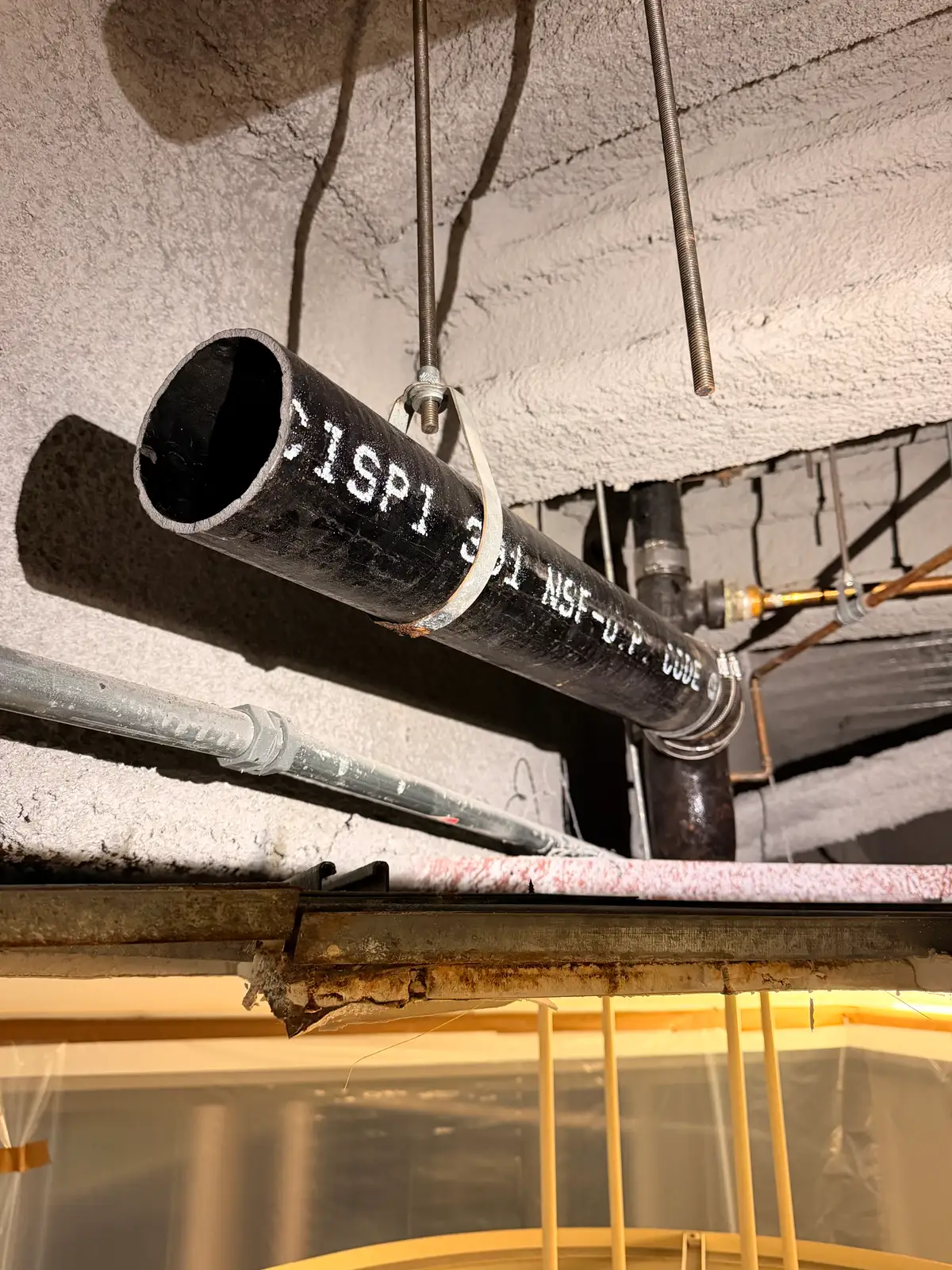
San Pedro's coastal humidity accelerates interior oxidation in uncoated cast iron, creating a rough bore that catches and holds debris far more aggressively than smooth PVC. That texture difference is why a cable auger that works fine in a 1985 tract home often fails to solve the same problem in a 1930s Vinegar Hill bungalow.
What cast iron looks like after 60 years
New cast iron has a relatively smooth interior surface. After six decades of use in a coastal environment, that surface develops a layer of iron oxide and mineral deposits that narrows the effective diameter of the pipe. A 4-inch drain running at 60% of its original internal diameter carries significantly less flow before backing up.
Grease from kitchen use bonds to these rough oxidized walls rather than flowing through. Each cooking event adds a thin layer. Over years, that accumulation becomes a semi-solid lining — engineers sometimes call it a biofilm or grease cake — that a rotating cable can punch through but can't strip away. The day after snaking, debris starts catching on the remaining buildup immediately.
In Holy Trinity and Vista del Oro, where many homes date to the 1940s, we routinely run camera inspections after a snake job and find the lateral is still 40 to 60 percent occluded even though the drain is flowing again. Flowing isn't the same as clean.
What hydro-jetting actually does
Hydro-jetting introduces water at 4,000+ PSI through a specialized nozzle with rear-facing jets that pull the hose forward while blasting pipe walls in all directions. The nozzle moves through the pipe, stripping scale, grease, and root tendrils from the bore and flushing the debris downstream toward the cleanout or camera access point.
The result isn't just a clear path — it's a mechanically cleaned interior surface. Flow capacity returns close to the original design spec rather than just enough to stop the backup. For a household that's been having the same line snaked annually, a single jetting session often extends the interval to three to five years before the next service is needed.
One important constraint: hydro-jetting puts real pressure on the pipe. For cast iron in poor structural condition — significant cracking, missing sections, or advanced corrosion — that pressure can accelerate failure. This is why a [camera inspection](/services/trenchless/camera-inspection) before jetting is standard practice on any pre-1960 San Pedro lateral. If the pipe can't handle jetting, you need to know that before the nozzle goes in, not after.
When a snake is still the right answer
Snaking is faster, less expensive, and appropriate for specific situations: a fresh soft blockage (paper, a toy, an isolated grease plug), a recently installed PVC lateral with no scale history, or a pipe that camera inspection shows is too structurally compromised for high-pressure water. If the pipe is cracked and the tree roots have created a significant breach, jetting may push debris into the cavity and make the structural problem worse.
For San Pedro homeowners dealing with their first backup in years, on a line that's otherwise been problem-free, a snake is a reasonable first step. The problem is when snaking becomes the annual plan. Recurring blockages in cast iron — especially kitchen-side drain lines in homes built before 1965 — are almost always a scale and grease adhesion issue that only high-pressure cleaning resolves.
The decision tree isn't complicated: one-time soft blockage on a relatively young or healthy line, snake it. Recurring slow drains or backups in a pre-1960 cast-iron system, combine a camera inspection with jetting. If the camera shows structural damage, the conversation shifts to [trenchless sewer repair](/services/trenchless) rather than cleaning.
The camera-first protocol and why it matters here
San Pedro's pre-war housing inventory — concentrated in Old San Pedro, Palisades, and the hillside blocks above Point Fermin — includes drain systems that have never been mapped or inspected since original installation. Cleanout access is often non-standard or missing entirely. Before any cleaning method goes into an unknown lateral, a camera run establishes pipe material, diameter, condition, and routing.
Camera inspection also identifies root intrusion. Modest root tendrils in a structurally intact cast-iron line can be removed by jetting. A root mass that has collapsed a section of pipe requires excavation or pipe bursting, and no amount of jetting will fix it. Knowing the difference before you commit to a cleaning method saves time and prevents secondary damage.
For properties in the 90731 and 90732 ZIP codes being sold or refinanced, a documented camera inspection paired with a jetting record also demonstrates due diligence to buyers and their inspectors. Drain condition in older San Pedro homes is a frequent discovery item in real estate transactions — having recent service records simplifies that conversation.
Access constraints in San Pedro's hillside blocks
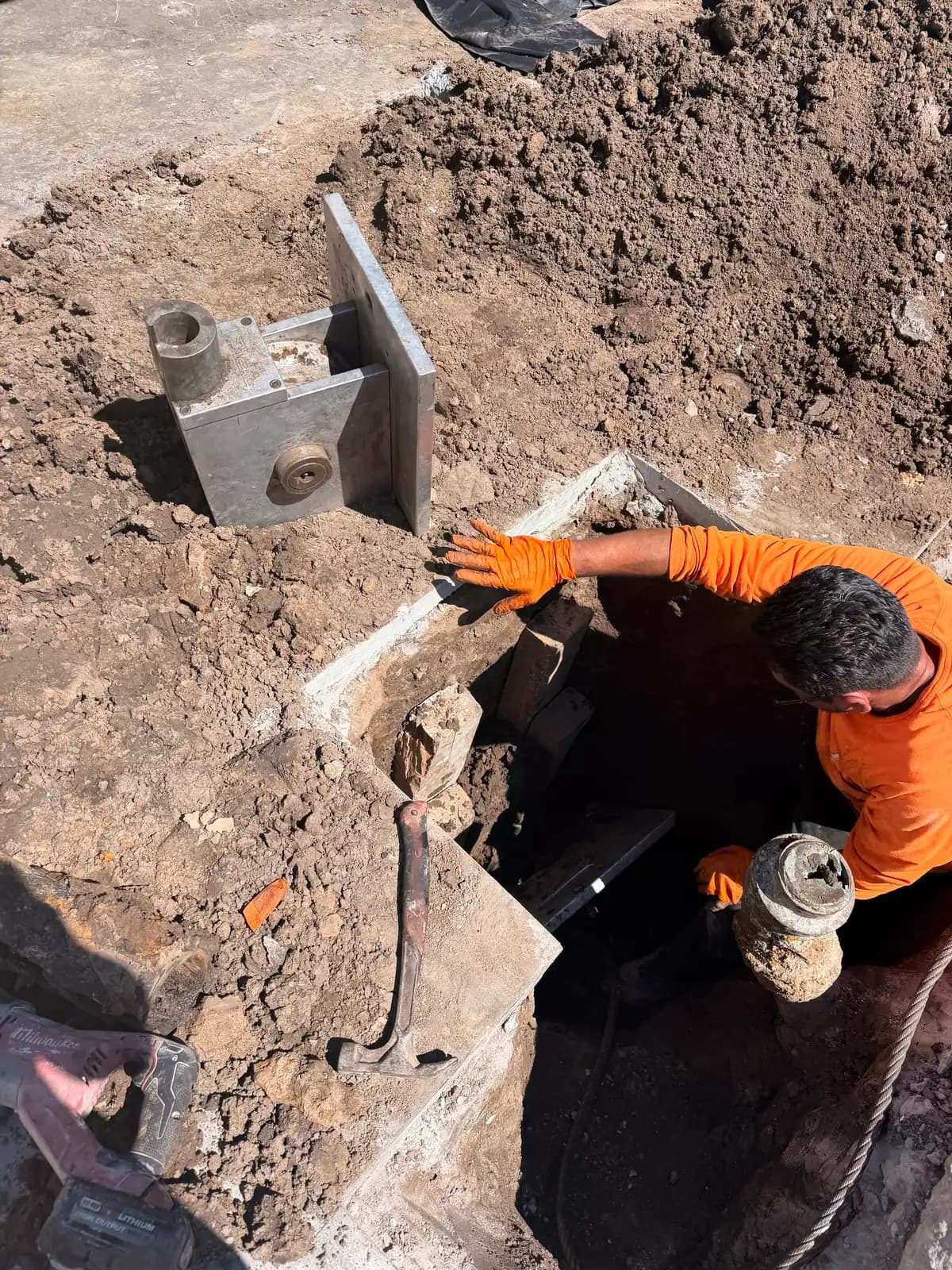
Hydro-jetting requires a cleanout — a capped access point that accepts the jetting hose. Many pre-1940 San Pedro homes were built without modern cleanout configurations, or with cleanouts that have been buried, paved over, or corroded shut. Locating and re-establishing cleanout access is often the first task on a jetting job in this part of the South Bay.
Hillside lots in Vista del Oro and the Palisades add grade complexity. San Pedro sewer laterals on steep lots can drop 20 to 30 feet over their run length. Jetting equipment must account for that elevation change, and camera placement has to work against gravity to document the entire line. It's not a reason to avoid jetting — it's a reason to work with a crew that has done it in these specific conditions before.
Our [San Pedro hydro-jetting](/service-areas/san-pedro/hydro-jetting) service includes cleanout assessment and access restoration as part of the job scope when needed, not as a line-item surprise at the end.
San Pedro hydro-jetting questions we hear most
How do I know if my drain needs jetting or just snaking? If the same drain has been snaked more than once in 24 months and is slowing again, that's the pattern that points to jetting. A one-time blockage on a line with no history of problems is a snake situation. If you're not sure which category applies, a camera run answers the question in about 30 minutes.
Will high-pressure jetting damage my old cast-iron pipes? Cast iron in good structural condition handles jetting pressure without issue. The concern is pipes that are already cracked, corroded through, or have root damage that has compromised the pipe wall. Camera inspection before jetting is how we identify those situations — if the pipe shows structural risk, we won't jet it.
How long does a jetting job take on a typical San Pedro home? A single lateral from kitchen to main — usually 40 to 80 feet in a pre-war San Pedro house — takes approximately 1.5 to 2.5 hours including setup, jetting, and camera verification afterward. Cleanout access issues, difficult grade, or multiple lines add time.
Do you need a permit to hydro-jet a drain? No permit is required for drain cleaning, including hydro-jetting, in Los Angeles. Permits apply when pipe is replaced or rerouted. If the camera inspection reveals damage that requires repair, that work requires an LADBS permit and we pull it.
Can I verify your license before hiring? Yes. Mainline No-Dig Trenchless Plumbing holds C-36 plumbing contractor license #901735, verifiable on the California State License Board website at cslb.ca.gov. Search by license number to confirm current status.
What's your response time for a backed-up drain in San Pedro? San Pedro is within our standard 30-minute target response zone for emergencies. We dispatch 24/7 with no overtime fees for nights, weekends, or holidays.
What to do next
If you're dealing with a slow or recurring drain in a pre-1960 San Pedro home, the right sequence is camera inspection first, then jetting if the pipe is structurally sound. That approach avoids wasting money on cleaning a pipe that actually needs replacement, and avoids replacing a pipe that just needs a thorough clean.
Call Mainline No-Dig Trenchless Plumbing at (310) 808-7343 to schedule a camera inspection and hydro-jetting assessment. We serve all of San Pedro — Old San Pedro, Vinegar Hill, Point Fermin, Holy Trinity, Vista del Oro, and the Palisades — with 24/7 dispatch and no overtime charges.
Tags
Related Services