
Hidden leaks in Torrance's mid-century slab homes can usually be located without exploratory demolition. A plumber first isolates the hot and cold systems, confirms pressure loss, then uses acoustic and thermal equipment to mark the source. That evidence determines whether one spot repair, an overhead reroute, or broader repiping makes sense.
Walteria, Madrona, Southwood, West Torrance, and parts of Hollywood Riviera contain large numbers of post-war homes with buried or hard-to-access copper. Settled fill and expansive soils can move both pipes and escaping water.
The Torrance homes most likely to hide supply leaks
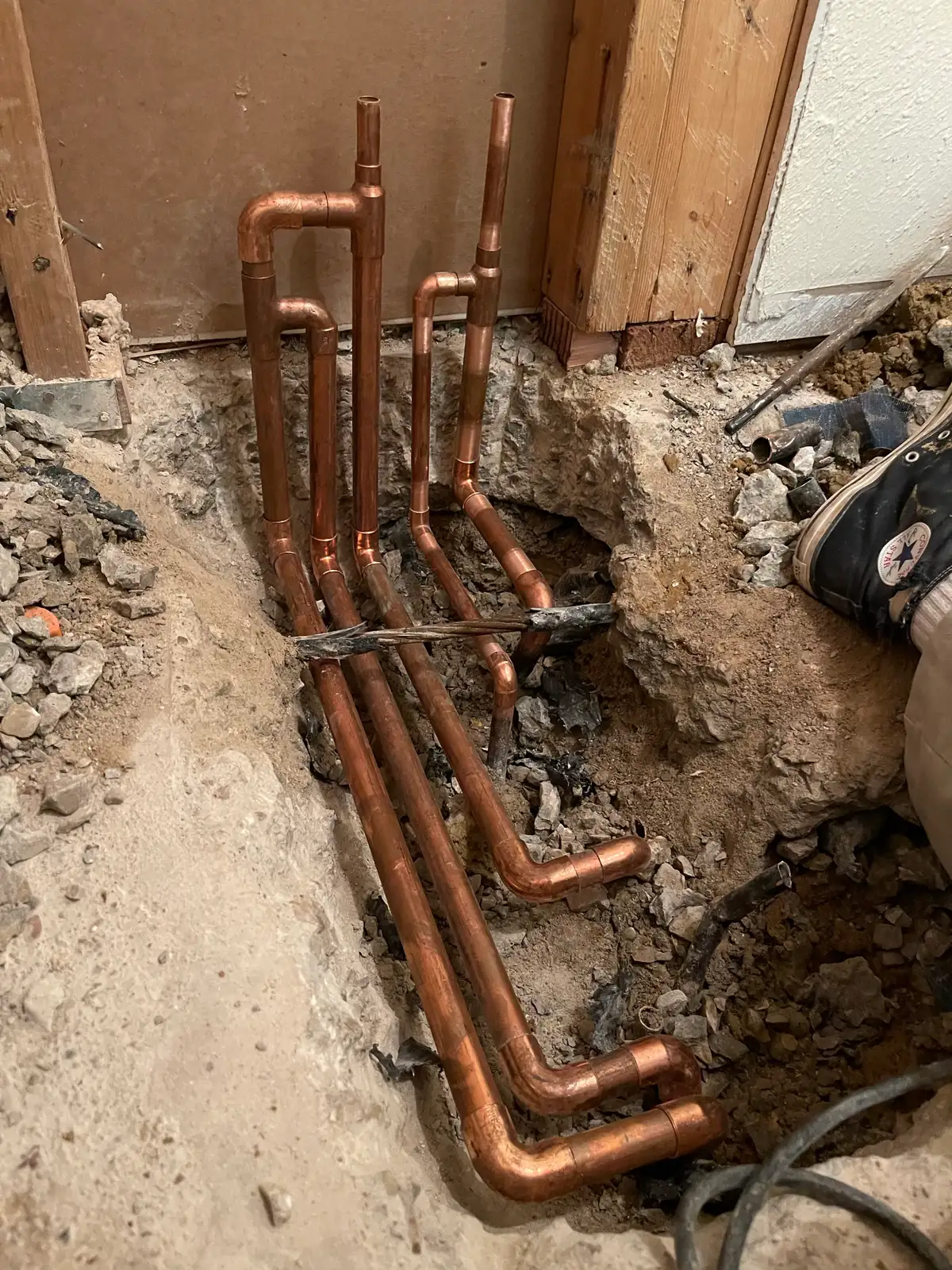
Many 1948–1965 ranch homes were built with supply lines routed through or beneath the slab. Copper can last decades, but mineral chemistry, concrete contact, movement, and earlier remodel connections create localized weak points.
Hollywood Riviera adds grade: the damp spot may appear downhill from the pipe failure. Walteria and Madrona add settlement and expansive-soil movement. In both cases, location equipment is more reliable than following the stain.
Remodel layers can complicate the picture. A copper loop may cross an original galvanized branch, disappear beneath a room addition, or feed a fixture through an undocumented reroute. Water from an upstairs shower can also mimic a slab leak at the base of a wall. We verify fixture drains, supply pressure, and meter behavior separately so a failed shower pan or drain connection is not mistaken for a pressurized pipe beneath the concrete.
A five-minute meter check before calling
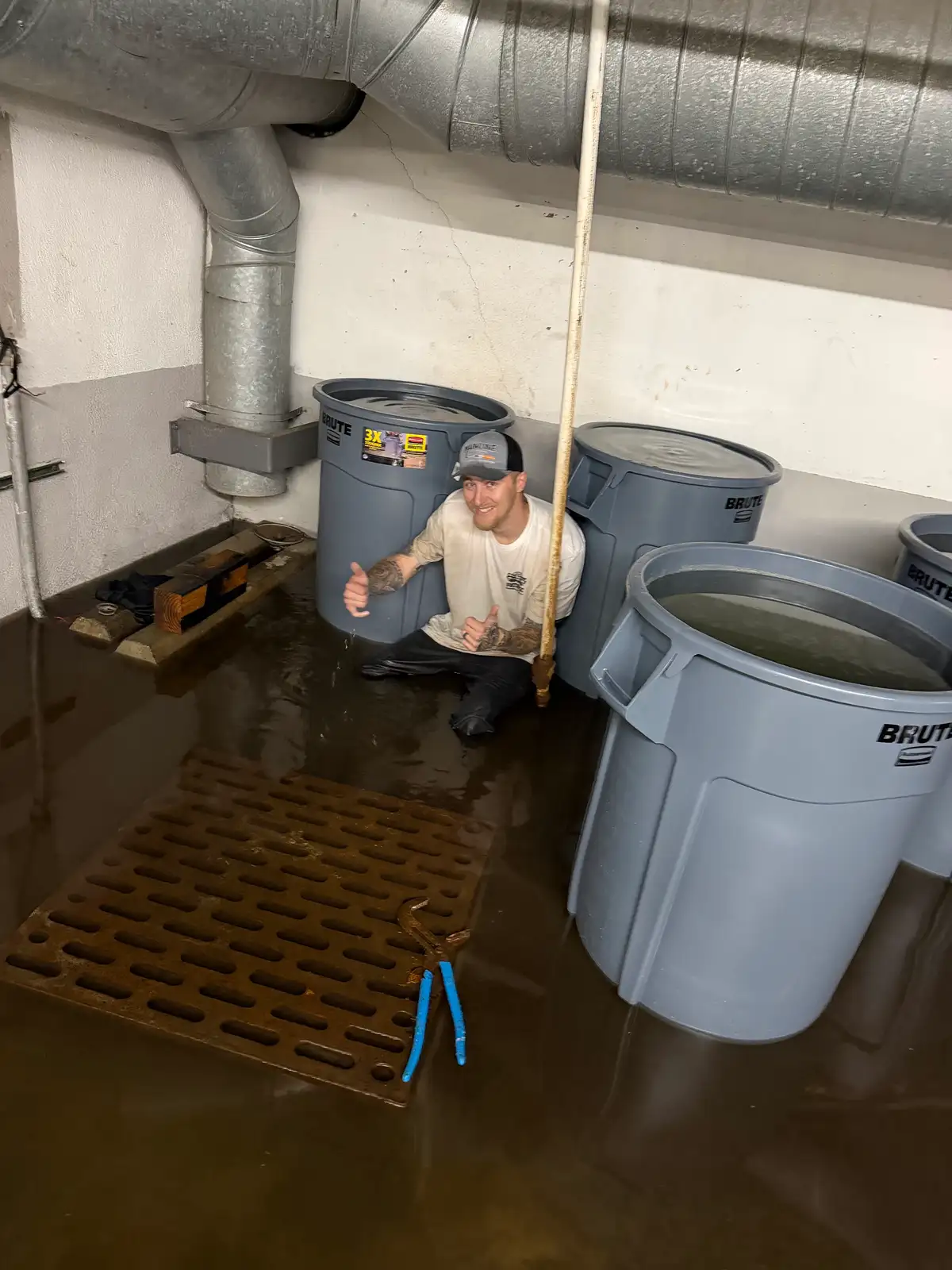
Turn off fixtures, irrigation, ice makers, and appliances that use water, then note the water meter. If the leak indicator or reading changes during a quiet interval, water is moving somewhere. Do not use this test to delay shutting off an active damaging leak.
Our [Torrance leak detection page](/service-areas/torrance/leak-detection) explains the next diagnostic steps: system isolation, pressure testing, acoustic tracing, thermal confirmation, and a marked repair location.
Why acoustic and thermal findings are paired
Escaping pressurized water produces a sound pattern that specialized ground microphones can trace. Hot-water leaks may also create a thermal anomaly. Either method alone can be confused by appliances, recirculation, floor coverings, or the path water takes through soil.
Using both, plus pressure behavior, reduces the repair area. The goal is not a colorful scan; it is enough converging evidence to avoid opening the wrong section of floor or wall.
Background noise matters. Refrigerators, recirculation pumps, irrigation valves, traffic, and water moving in neighboring units can produce misleading sound. A technician may isolate branches, let the building settle, or introduce a controlled test pressure to improve the signal. Thermal findings also need context because sunlight, HVAC ducts, and radiant appliances can warm a floor. Confidence comes from agreement between independent tests, not from forcing one instrument to provide certainty it cannot support.
Choosing the repair after the leak is marked
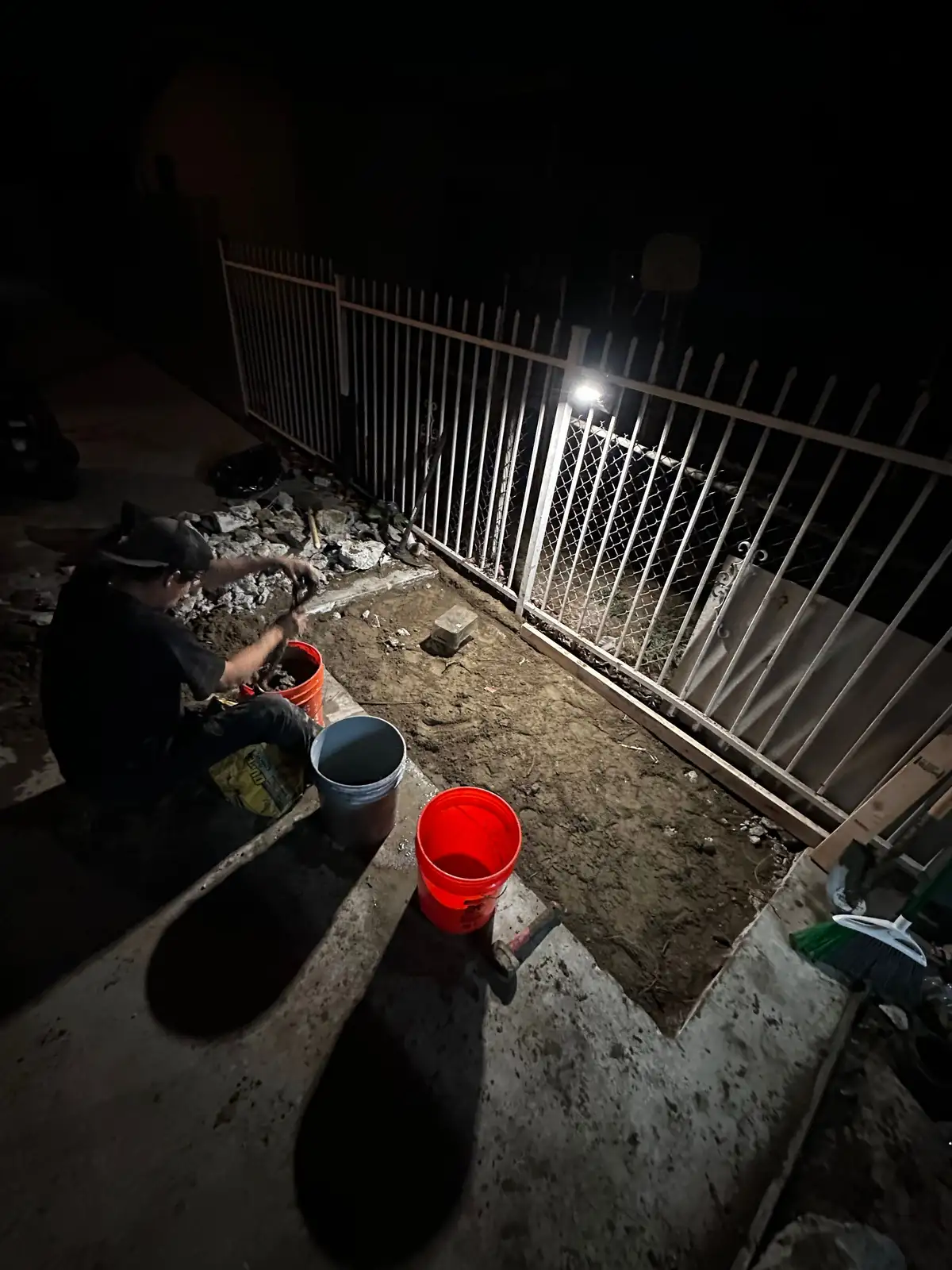
A first isolated pinhole on an otherwise stable loop may be repaired through a small opening. Multiple weak locations, an older repair on the same loop, or difficult finished flooring can make an attic reroute less disruptive and more durable.
If failures appear across several original loops, discuss system replacement instead of serial repairs. Mainline's [electronic leak detection service](/services/trenchless/leak-detection) provides the location and evidence before the permanent scope is chosen.
Ask each proposal what pipe remains below the slab and what surfaces will be opened. A low spot-repair price can become expensive after specialty flooring, cabinets, dust control, and several days of access work are added. A reroute price should identify its path, wall openings, insulation, pressure test, patching responsibility, and permit. Comparing complete scopes is the only fair way to choose between the smallest immediate repair and the lowest long-term risk.
A useful leak report should state what was tested, which branch lost pressure, where the source was marked, and what limitations remained. That documentation helps a repair crew price the same facts and gives the homeowner a record if another leak appears years later. It also prevents a thermal image or listening mark from being treated as a warranty that no other weak pipe exists. Detection locates the active failure; pipe age and condition still guide the longer-term decision. That record supports future maintenance decisions.
Torrance leak detection questions we hear most
Can you locate a leak without tearing open walls? Usually. Pressure isolation, acoustic tracing, and thermal confirmation are designed to narrow the opening before demolition.
Why did the wet spot appear away from the leak? Water moves along slab joints, fill, and slope; Hollywood Riviera leaks can surface downhill from their source.
How can I verify your plumbing license? Mainline holds California C-36 license 901735, which homeowners can confirm directly through the CSLB license lookup.
Should I call my insurer first? Stop active damage first. Document the condition and review the policy; resulting damage and pipe repair are often treated differently.
Locate first, then choose the smallest durable repair
Call (310) 808-7343 when your meter moves at rest, flooring feels warm, a bill jumps unexpectedly, or moisture appears without an obvious fixture source. We target a 25-minute response across Torrance and provide a written repair path after the leak is actually located.
Tags
Related Services