A Torrance sump pump should be replaced when it cannot start reliably, keep up with measured inflow, seat its check valve, or operate through the storm conditions the space faces. Homes near low drainage pockets, hillside seepage, crawlspaces, and below-grade utility rooms also benefit from battery backup because heavy rain and power loss often coincide.
Not every Torrance house needs a sump pump. The relevant homes cluster near low-lying drainage around the Madrona basin, in below-grade additions, and on Riviera or Walteria lots where groundwater or slope runoff reaches a lower room.
Where sump pumps solve a real Torrance problem
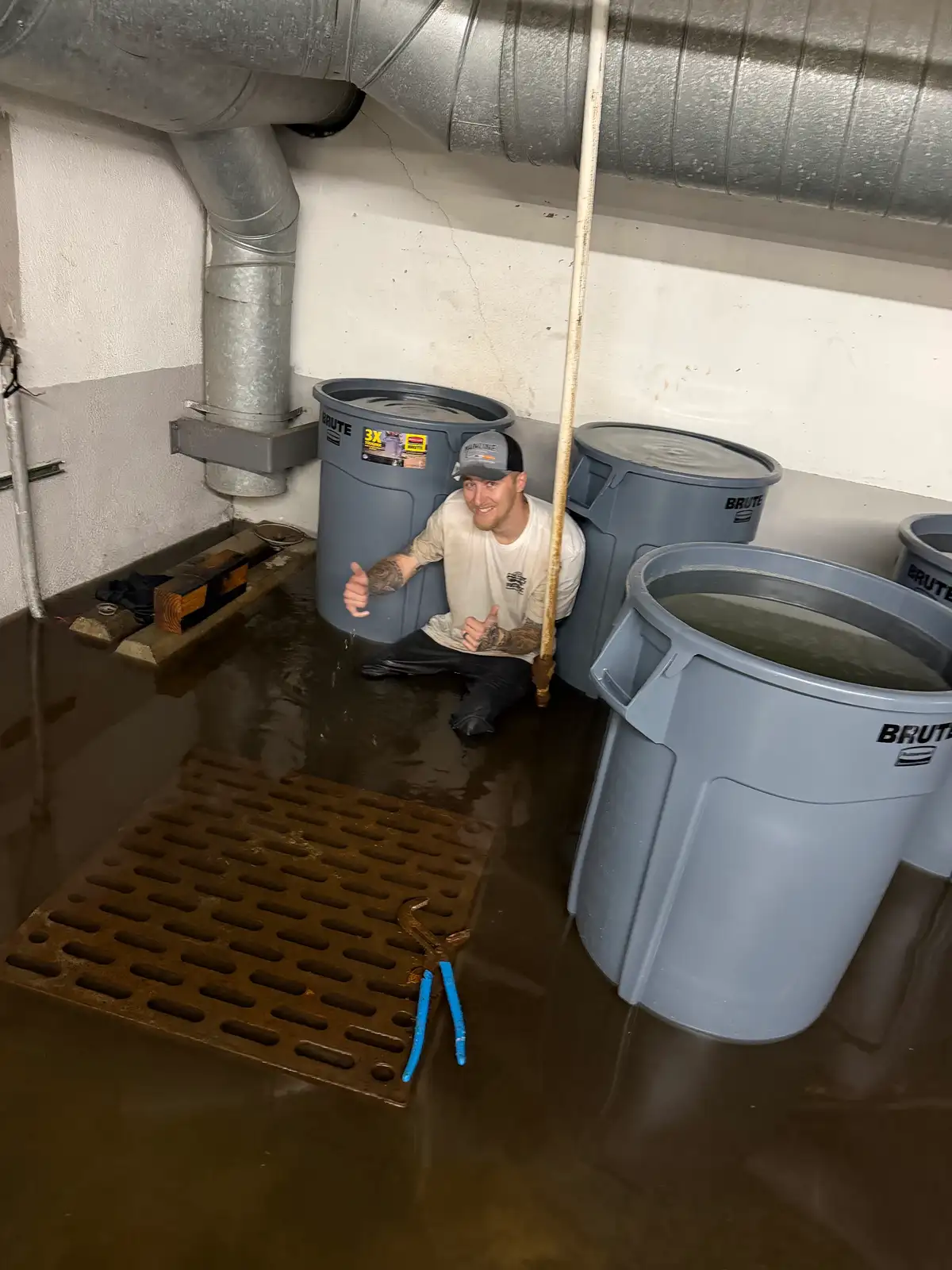
A pump is appropriate when water naturally collects below surrounding grade and cannot drain by gravity. Common examples include a crawlspace low point, basement conversion, sunken mechanical room, elevator pit, or foundation drain terminating at a basin.
A pump is not a substitute for correcting gutters, surface grading, or a broken irrigation line. We identify the inflow source before sizing replacement equipment so the pump is treating groundwater, not masking a preventable surface-water problem.
Signs of a genuine groundwater problem include mineral lines on foundation walls, seasonal dampness that returns after prolonged rain, water entering through a perimeter drain, and a basin that refills from below even when irrigation is off. Surface-water clues include overflow directly beneath a downspout, ponding against the foundation, or inflow only during sprinkler cycles. The corrective plan may combine drainage work with pumping, but the pump should not become the permanent answer to water that could have been directed away by gravity.
The bucket test before the first heavy rain
Pour water into the basin until the float rises. The pump should start cleanly, lower the water, shut off, and leave the check valve holding the discharge column. Listen for rapid cycling and inspect where the discharge exits.
If the motor hums without moving water, the float sticks, water returns to the pit, or the outlet sends water back toward the foundation, schedule [Torrance sump pump service](/service-areas/torrance/sump-pump) before the next storm.
Replacement sizing is more than horsepower
Pump capacity depends on inflow rate and total head—the vertical lift plus discharge resistance. An oversized unit can short-cycle and fail early; an undersized unit can run continuously while the basin rises.
We measure the pit, lift, route, check valve, power, and observed inflow, then test the installed system with a simulated basin fill. The [sump pump installation process](/services/sump-pump) should end with verified discharge, not only a plugged-in motor.
Basin dimensions matter because a small pit gives the pump little storage between cycles. Discharge diameter and elbows affect capacity, while a poorly placed check valve can hammer or send water back into the basin. We also inspect the outlet: dumping beside the foundation simply recirculates the same water. The best pump cannot compensate for a restricted line, failed power source, blocked outlet, or basin too small for the measured inflow.
Why battery backup matters in Torrance
A primary pump on household power stops during an outage. A dedicated battery backup can take over automatically and also provide a second pump if the primary float or motor fails.
Battery age, charger status, alarm function, and expected intermittent run time should be checked before winter. A backup that has never been load-tested can provide false confidence.
Backup capacity is not unlimited. Runtime depends on how often the secondary pump cycles, the lift it must overcome, battery condition, and whether the primary is merely without power or mechanically failed. We label the test date, demonstrate the alarm, and explain what the homeowner should observe during an outage. For critical finished spaces, a high-water alarm or monitored notification adds time to respond if inflow exceeds both pumps.
Maintenance continues after replacement. Keep the basin covered but accessible, clear debris from the intake area, inspect the outdoor outlet, and run a controlled water test before each rainy season. Record the installation and battery dates near the equipment. If the pump cycles during dry weather, investigate the source rather than accepting it as normal; a broken irrigation line, leaking water service, or stuck check valve can create unnecessary duty and shorten the motor's life long before the next storm. Write down each seasonal test result.
Torrance sump pump questions we hear most
How long does a sump pump last? Many primary pumps serve about 7–10 years, but duty cycle, sediment, and switch quality matter more than the calendar alone.
Do all Torrance homes need one? No. They matter where groundwater, hillside seepage, or below-grade construction creates a collection point that cannot drain by gravity.
How do I verify your license? Mainline's California C-36 plumbing license 901735 is searchable on the official CSLB website.
Should I add battery backup? If flooding would damage a finished or critical space, backup is usually sensible because rain and electrical outages can occur together.
Test the system while the weather is dry
Call (310) 808-7343 for a pre-storm inspection, float or check-valve repair, pump replacement, or battery-backup installation. We serve Old Torrance, Walteria, Madrona, Southwood, West Torrance, and Hollywood Riviera with measured sizing and full-load testing.
Tags
Related Services