Not every plumbing problem that feels urgent actually is. A dripping faucet at 11 PM isn't an emergency — but a water heater that's actively flooding your garage is. The difference between those two calls matters more than most homeowners realize, because the wrong call in either direction costs you money. Call too soon and you're paying for emergency dispatch on a problem that could have waited until morning. Wait too long on an actual emergency and you're looking at structural damage, mold remediation, or a gas incident.
This guide lays out a clear framework for making that call. It covers the specific conditions that meet the threshold for immediate action, the situations that are urgent but not emergencies, and the problems you can safely schedule during normal business hours. The goal isn't to talk you out of calling — it's to help you make an informed decision at 2 AM when your judgment is compromised by stress and a wet floor.
We dispatch 24/7 across 16 South Bay cities from our Lomita headquarters, and we don't charge overtime fees. But honest triage benefits everyone. When we're not responding to a slow drain that could have waited, we're available faster for the house that actually has water coming through the ceiling.
The four conditions that are always emergencies
These situations require you to call immediately, regardless of the time: active gas leak, burst or severed supply pipe with uncontrollable water flow, sewage backup that has reached living areas, and a confirmed slab leak with water actively running under the foundation. Each of these can escalate from a repair into a catastrophe within hours — or, in the case of gas, within minutes.
A gas leak has no gray area. If you smell rotten egg odor inside the house, get everyone out, leave the door open, don't flip any switches, and call SoCalGas at 1-800-427-2200 from outside before you call a plumber. Once the gas company has confirmed the leak and shut supply, call us for pipe repair. Gas line work is within our C-36 scope, but the immediate life-safety step belongs to the utility.
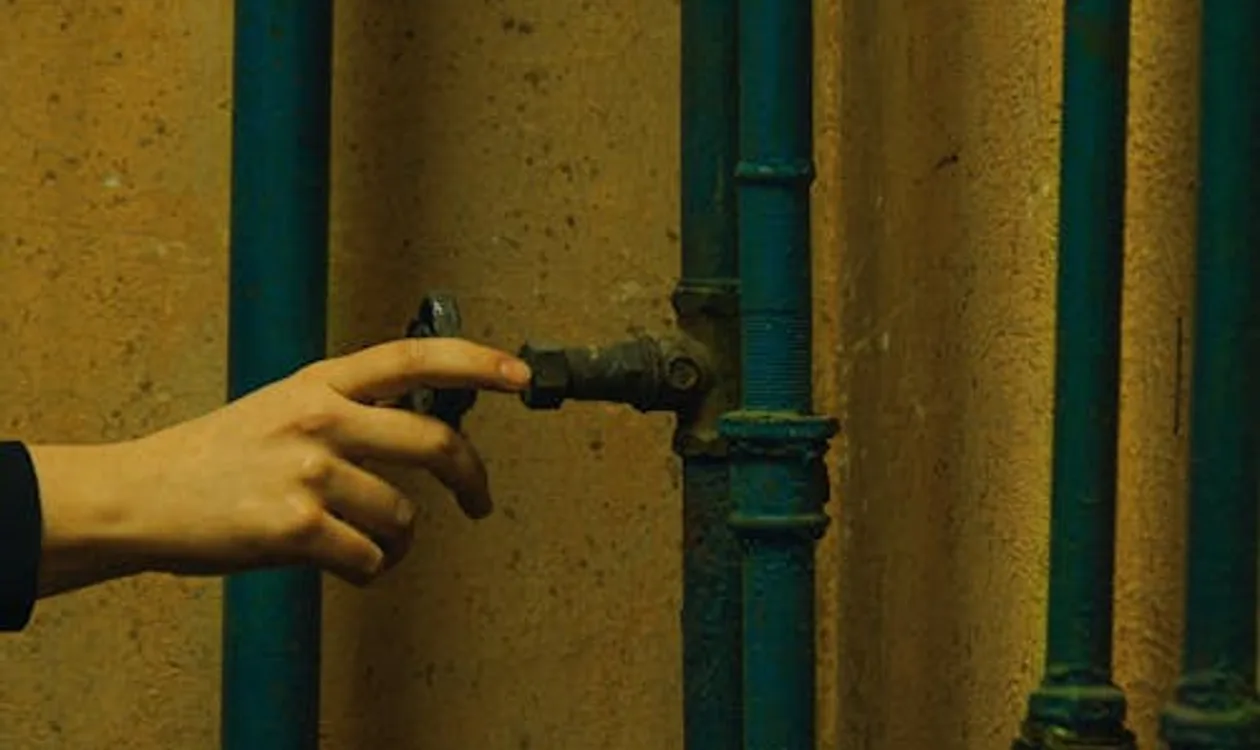
A burst pipe — the kind where water is spraying or pooling faster than towels can handle — requires you to shut the main first. Every South Bay homeowner should know where their main shutoff is before they ever need it. The shutoff is typically at the meter near the sidewalk or at the house side near the foundation. Once you've cut the water, the urgency drops slightly, but you still need a plumber the same night if any living space is wet, because standing water begins producing mold conditions within 24 to 48 hours.
Sewage backup: the one that homeowners underestimate
A single toilet that won't flush is almost never a true emergency. A drain backup affecting multiple fixtures simultaneously — toilets, tubs, and floor drains all sluggish or backing up at the same time — is a different problem entirely. That pattern points to a main sewer line blockage or failure, not a localized clog. If raw sewage is surfacing in a tub or floor drain, you have a sanitation issue that requires same-day service.
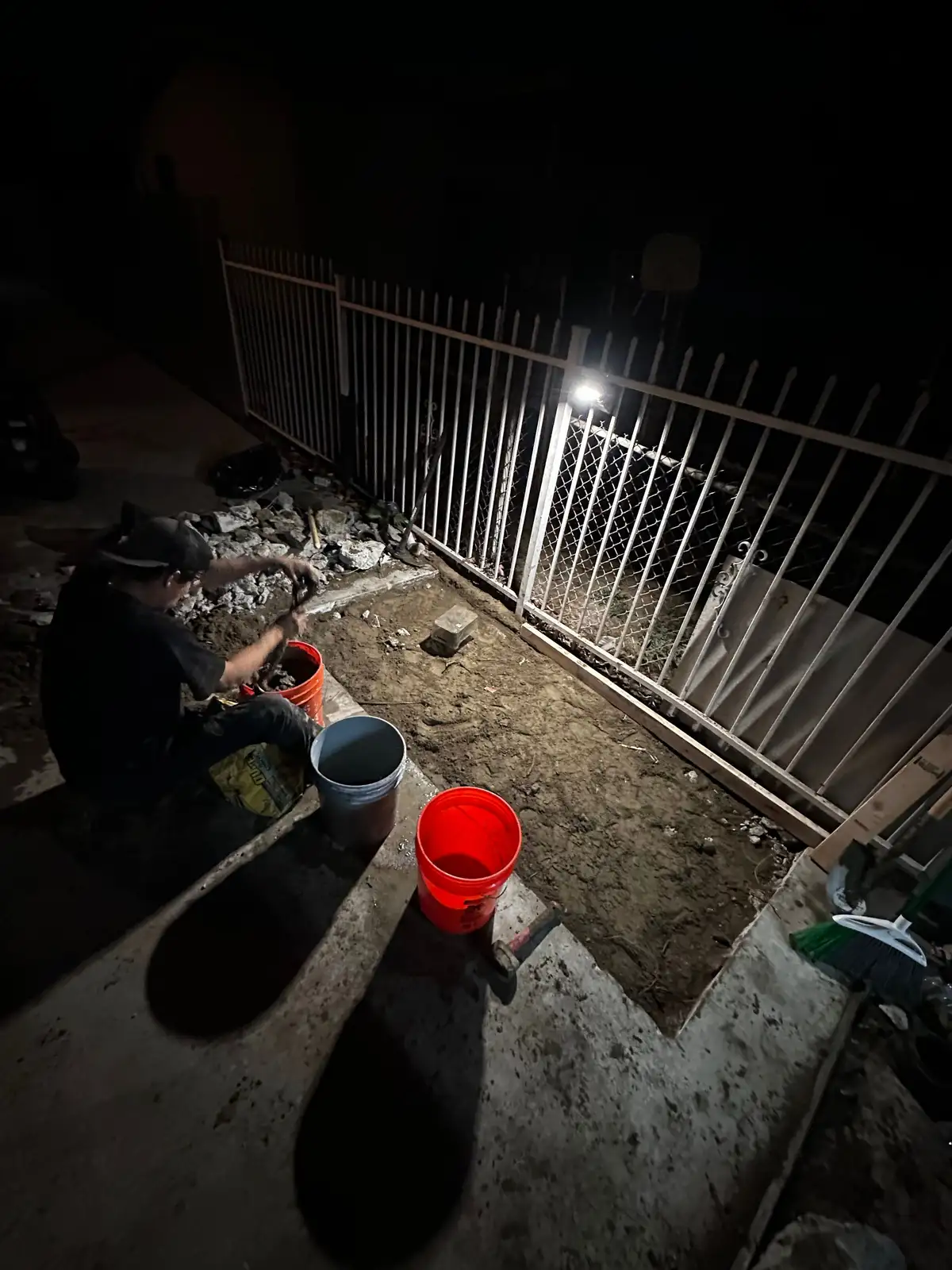
In older parts of San Pedro — particularly the Vinegar Hill and Point Fermin areas where pre-1940 clay tile laterals are still common — a total main line blockage can happen with almost no warning. The pipe collapses or shifts enough to seal the line, and the first sign is sewage backing up into the lowest fixture in the house. That's not a slow-drain situation. That's [emergency sewer repair](/services/trenchless/sewer-repair) territory.
If the backup is contained to a single fixture and there's no sewage surfacing elsewhere, that's a drain clog. It's unpleasant, but it can often wait until morning or be addressed with a sewer snake the same day during business hours. The key test: run water in two other fixtures and watch what happens. If the clog is isolated, the other fixtures drain normally. If water backs up in a second location, call immediately.
Slab leaks: the exception that depends on flow rate
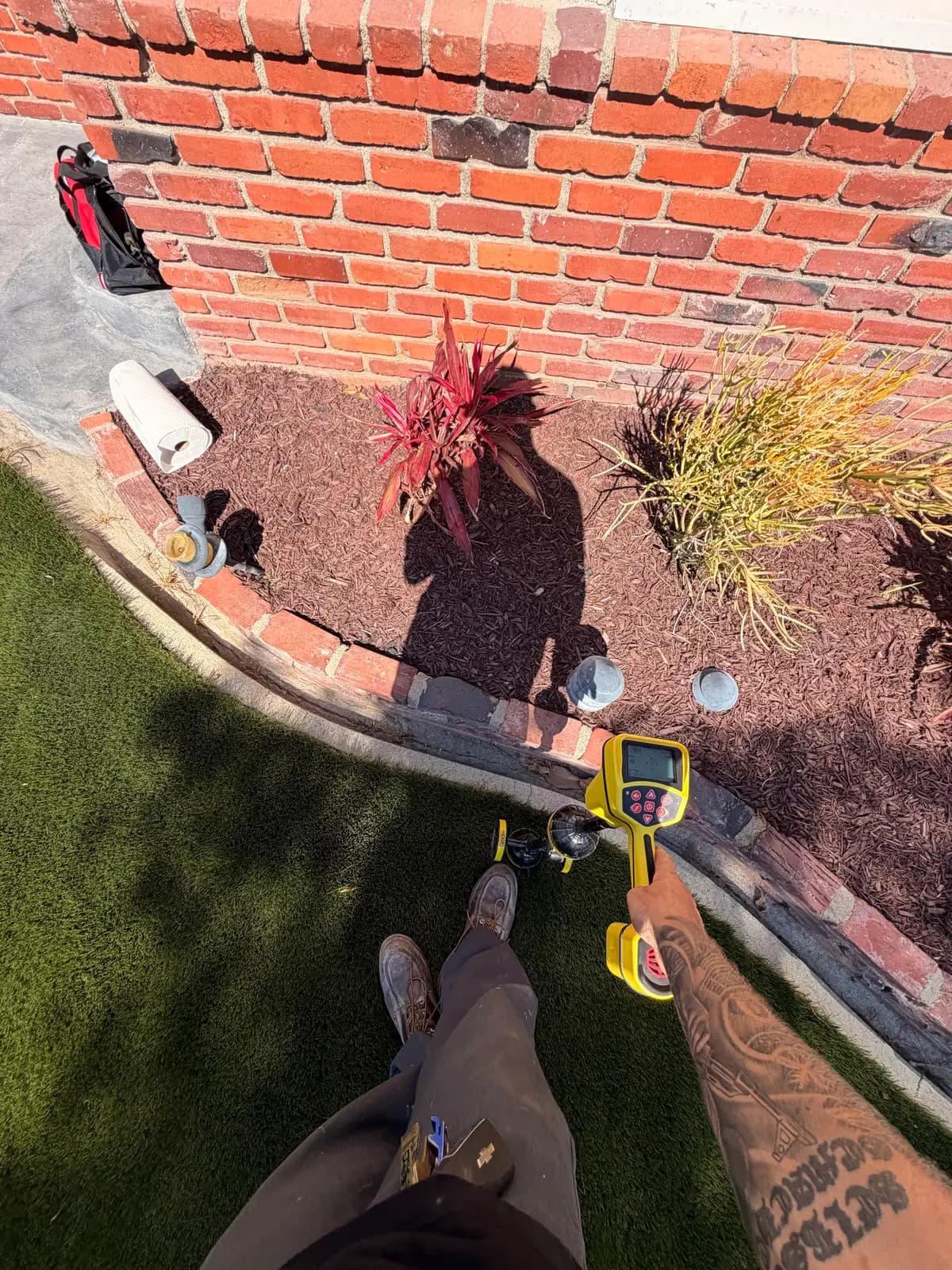
Not every slab leak is an emergency. A slow seep under the foundation — the kind that shows up as a warm spot on the floor or a water bill that's $40 higher than usual — is serious, but it's not a midnight call. Schedule a [leak detection](/services/trenchless/leak-detection) visit within a day or two, avoid running hot water until you know the source, and document the symptoms.
The version that is an emergency is when water is actively running. If you can hear water moving inside the slab when all fixtures are off, if your meter dial is spinning with everything shut, or if flooring is visibly lifting or buckling — that indicates a pressurized supply line break under the slab. At that point, shut the main and call. Active slab leaks can undermine the foundation faster than most homeowners expect, particularly in Carson and Hawthorne where 1960s slab construction is the dominant housing type.
The rule of thumb: if shutting the main stops the water movement and the house has another water source, you can wait until morning. If the leak is in a drain line (no water stops when you shut the main), that's a slower-moving problem — unpleasant but manageable within 24 hours.
Urgent but not an emergency: the 8 AM call list
Several situations feel like emergencies but don't require a middle-of-the-night dispatch. A water heater that's stopped producing hot water — unless it's leaking actively — can wait until morning. The same applies to a toilet that runs continuously: annoying and wasteful, but not a structural threat. Turn off the supply valve behind the toilet and call in the morning.
A leaking faucet or fixture, even a steady drip, falls into the same category. In Redondo Beach's Esplanade and Avenues neighborhoods, we see a lot of salt-air corrosion on supply connections that shows up as weeping fittings. These need attention within a week, but they're not overnight calls. Similarly, a water pressure drop that's gradual rather than sudden is a diagnostic job — it suggests scale buildup in galvanized pipe or a failing pressure regulator, both of which can be properly assessed during a business-hours visit.
A backed-up kitchen drain that's isolated to the kitchen sink is typically grease accumulation in the P-trap or the section of drain line between the sink and the main stack. Run a kettle of hot water down the drain, give it 20 minutes, and see if it moves. If it doesn't, you need a [drain cleaning](/services/drain-cleaning) service — next morning, not 2 AM.
What 'no overtime fees' actually means for your decision
We don't charge overtime fees for evening, weekend, or holiday calls. That pricing structure exists because real emergencies don't wait for Monday. It doesn't mean after-hours dispatch is free — there's still a service call component — but it does mean there's no penalty multiplier applied to the labor rate because you called on a Saturday night.
Where this matters for triage: don't let fee anxiety push you into waiting on an actual emergency. A homeowner in Torrance's Walteria neighborhood who waits until morning on an active slab leak to avoid a perceived after-hours surcharge often ends up with hardwood floor replacement on top of the plumbing bill. The plumbing repair is usually the smaller cost. If the situation qualifies as an emergency by the criteria above, call. The fee structure accounts for it.
For [Lomita emergency plumbing](/service-areas/lomita/emergency-repair) and the surrounding South Bay cities, our 60-minute target response applies 24 hours a day. We're dispatched from Lomita, so response times in cities like Torrance, Carson, and Gardena typically land well under that target.
Running the triage checklist before you call
Before you pick up the phone, run through this sequence. First: is anyone in danger right now? Gas smell, electrical hazard near water, or structural threat means you get out first and call from outside. Second: is water or sewage actively spreading and causing damage that worsens by the minute? If yes, shut the main, then call. Third: can you isolate the problem with a shutoff valve? If you can stop the water at the fixture or the main and the situation stabilizes, you've likely moved it out of emergency territory.
Fourth: are multiple fixtures affected simultaneously? That pattern signals a main line issue, which belongs in the same-night category. Fifth: is there any gas odor anywhere in the house? That's a non-negotiable emergency regardless of anything else.
If you run that checklist and none of those conditions apply, you probably have a business-hours problem. Write down what you're seeing, take a short video if it helps, and call first thing in the morning. A clear description of symptoms — when it started, which fixtures are affected, whether water pressure changed — makes the diagnostic call faster and more accurate when the crew arrives.
What to do next
If you're reading this in the middle of an active emergency: shut the main if water is involved, get out if gas is involved, and call (310) 808-7343. We answer 24/7, dispatch from Lomita, and carry Licensed C-36 #901735 for all plumbing and gas work in California.
If you're reading this to prepare before something goes wrong — which is the smarter position to be in — take 10 minutes now to locate your main shutoff, your gas shutoff at the meter, and the individual stop valves under each fixture. Know where they are before you need them. That knowledge cuts the damage window on a real emergency from 20 minutes to 2 minutes.
For non-emergency scheduling or if you're not sure which category your situation falls into, call (310) 808-7343 and describe what you're seeing. Our dispatch team can help you assess urgency over the phone and either get a crew moving or schedule you for the next available business-hours visit. There's no obligation in making the call.
Tags
Related Services