A lot of Gardena homes have been in the same family since the post-war tract boom of the 1950s and 60s. In neighborhoods like Old Gardena and Moneta, it's not unusual for a homeowner to have worked with four or five different plumbing contractors over the decades on the same property — and to have clear, unambiguous opinions about what separates a reliable one from a forgettable one. That accumulated experience is worth taking seriously.
What those homeowners tend to care about isn't the same as what a first-time buyer cares about. They're not trying to decode the basics. They've already seen the fast-talking estimator who disappeared after the job, the crew that cracked a floor tile and said nothing, and the company that quoted one number and invoiced another. What they want now is predictability, honest communication, and someone who treats a family home as something other than a transaction.
This guide is written for that kind of homeowner. It covers what to actually look for when vetting a plumbing contractor in Gardena, why communication matters more than most contractors acknowledge, and how to read the signals — good and bad — before any pipe gets touched.
The galvanized problem most Gardena homes are still sitting on
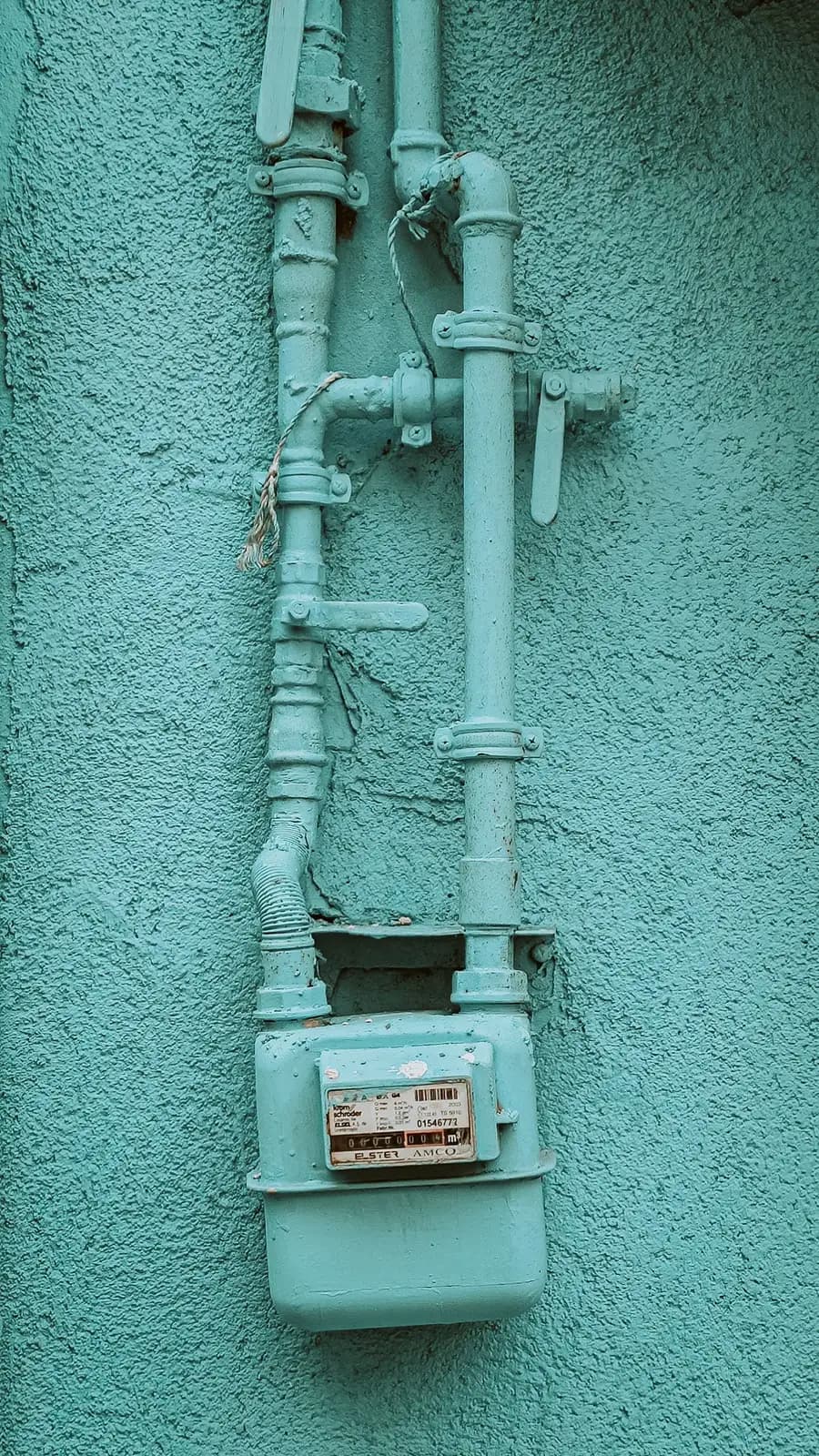
The dominant build era in Gardena — 1948 through 1968 — produced homes with galvanized steel supply lines that were designed to last roughly 40 to 50 years. Most of those pipes are now 60 to 70 years old. In areas like Strawberry Park and West Gardena, a substantial share of homes still have the original galvanized supply running under slab or through interior walls.
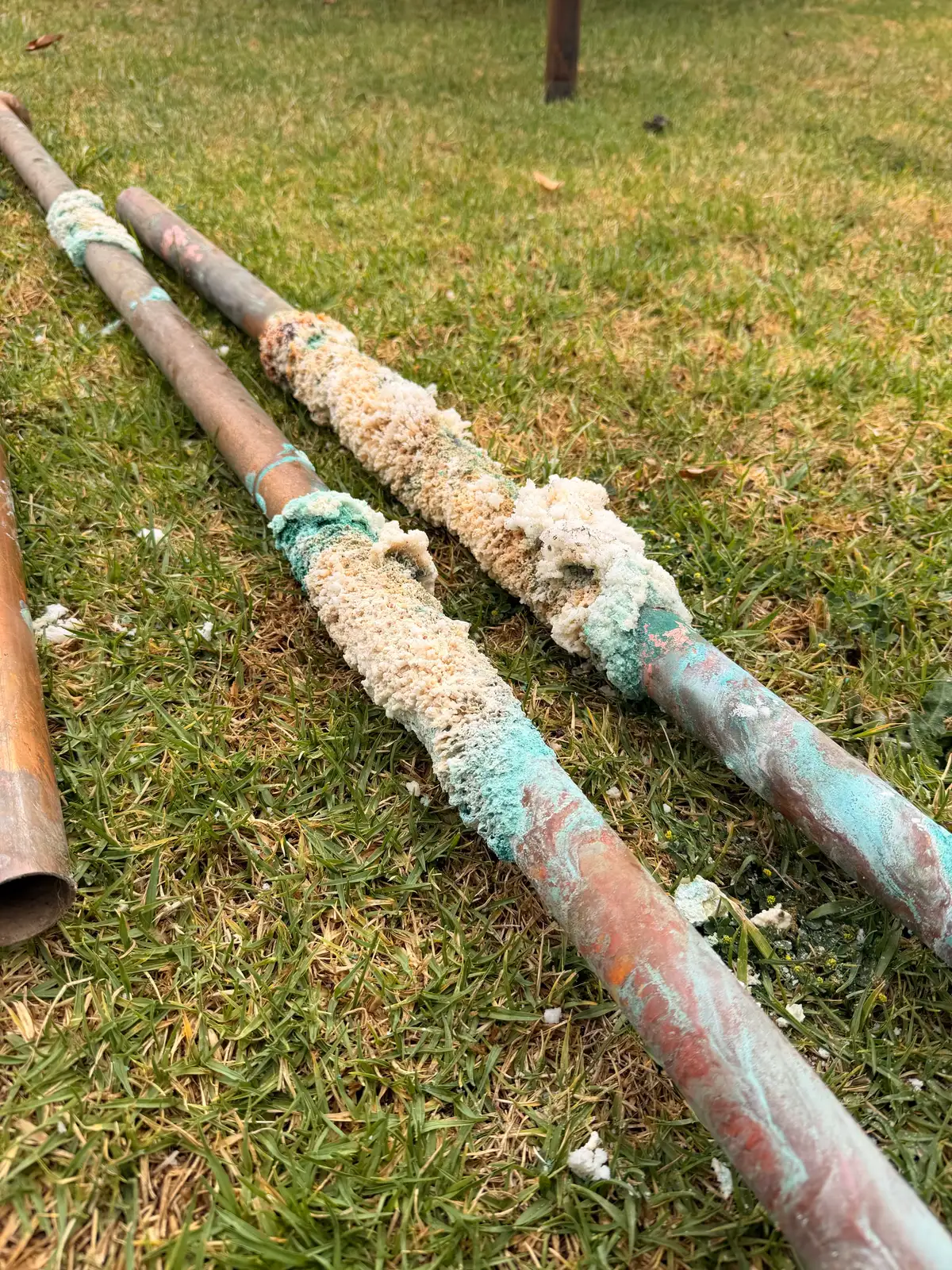
Galvanized pipe corrodes from the inside out. What you typically notice first is a drop in water pressure at fixtures — particularly the farthest fixtures from the main — followed by discolored water when a valve hasn't been used in a while, and eventually pinhole leaks. By the time a pipe is visibly corroded on the outside, the interior diameter has usually been reduced by 50 percent or more by mineral scale and rust buildup.
A plumber working in a home like this needs to recognize what they're dealing with before quoting a repair. A spot fix on a galvanized system that's past end-of-life doesn't solve the underlying problem — it just shifts where the next failure occurs. A contractor worth keeping will say that plainly, explain the tradeoffs, and let you decide whether a [full repipe](/services/repipes) makes more financial sense than continued patchwork.
Why communication quality is a legitimate evaluation criterion
Gardena is one of the more linguistically diverse cities in the South Bay. Japanese, Spanish, Tagalog, and Korean are spoken in significant numbers of households throughout Old Gardena and El Camino Village. When a plumber can only communicate in English and the homeowner's primary language is Japanese or Spanish, the job doesn't fail because of technical incompetence — it fails because critical decisions get lost in translation.
This isn't a soft concern. Approving a scope of work you don't fully understand, agreeing to a material substitution you didn't realize was being proposed, or missing a service warning because it wasn't communicated clearly — these are real outcomes with real costs. A contractor who makes no accommodation for how their customer communicates is treating the job as a task instead of a service.
When evaluating a contractor, ask directly: who on the crew or in the office can communicate with you in your preferred language, and at what stage of the job? A good contractor can answer that question specifically. A contractor who deflects or minimizes it is telling you something.
What trust actually looks like in practice
Multigenerational homeowners in Gardena haven't built skepticism because they're difficult — they've built it because they've been burned. The most consistent complaint we hear when we take over a long-neglected property is some variation of: the last plumber fixed one thing, charged for three, and the problem came back six months later.
Trust in a plumbing contractor is demonstrated through specifics, not assertions. A contractor who pulls permits when permits are required is protecting you, not creating paperwork. A contractor who shows you the camera footage from a [sewer camera inspection](/services/trenchless/camera-inspection) before recommending a repair is giving you information instead of asking you to take their word for it. A contractor who writes down exactly what they're doing and why — in plain language — before starting work is treating you as the decision-maker.
Licensing is the floor, not the ceiling. A California C-36 license means the contractor met the state's minimum threshold for plumbing work. It doesn't tell you how they handle scope creep, how they communicate findings, or whether they show up on time. Those things you learn from asking specific questions and watching how the answers land.
The questions to ask before you hire anyone
The most useful questions aren't about price. Price matters, but it's also the easiest thing to manipulate in the short term — a low bid that expands once the walls are open costs more than a straightforward quote that holds. The questions that actually separate contractors are about process and accountability.
Ask whether they'll document existing conditions before starting work. Ask whether they carry general liability and workers' comp, and whether they'll provide certificate proof before the job starts. Ask who specifically will be doing the work — the person who shows up to quote is not always the person who shows up to work, and the gap between those two people is where a lot of residential plumbing problems originate. Ask what happens if they find something unexpected once the work is underway — what does that communication process look like?
For a Gardena home with known galvanized supply or aging cast iron drain lines, ask specifically whether the contractor has experience with those materials and what their diagnostic approach is. A contractor who hasn't worked with late-1950s slab construction before will sometimes underestimate how long opens take, how carefully tile and flooring need to be handled, and how much patching is required after the pipe work is done. That underestimation shows up in your invoice.
Red flags that hold up across decades of contractor experience
No written scope before work begins is the most consistent red flag across every experienced homeowner we talk to. Verbal agreements are not agreements — they're starting points for disputes. If a contractor won't put in writing what they're doing, what materials they're using, what the price covers, and what it excludes, that's not a paperwork preference — it's a structural problem.
High-pressure urgency is another one. Legitimate plumbing emergencies exist, and some things genuinely need to be addressed same-day. But a contractor who manufactures urgency to close a scope decision — insisting a repair that could wait 48 hours must happen right now — is using pressure as a sales tool. If you're told something needs immediate action, ask what the actual risk is if you wait 24 hours to get a second opinion. A contractor who can answer that question calmly is worth listening to.
Unusually low bids on complex jobs in Gardena's older housing stock should be read as a signal, not a win. A repipe on a 1,200-square-foot slab home in Moneta involves a predictable number of hours, a predictable material cost, and a predictable scope. If one contractor bids 40 percent below the others, they're either missing something in the scope or planning to find it once the work begins.
How Mainline works in Gardena
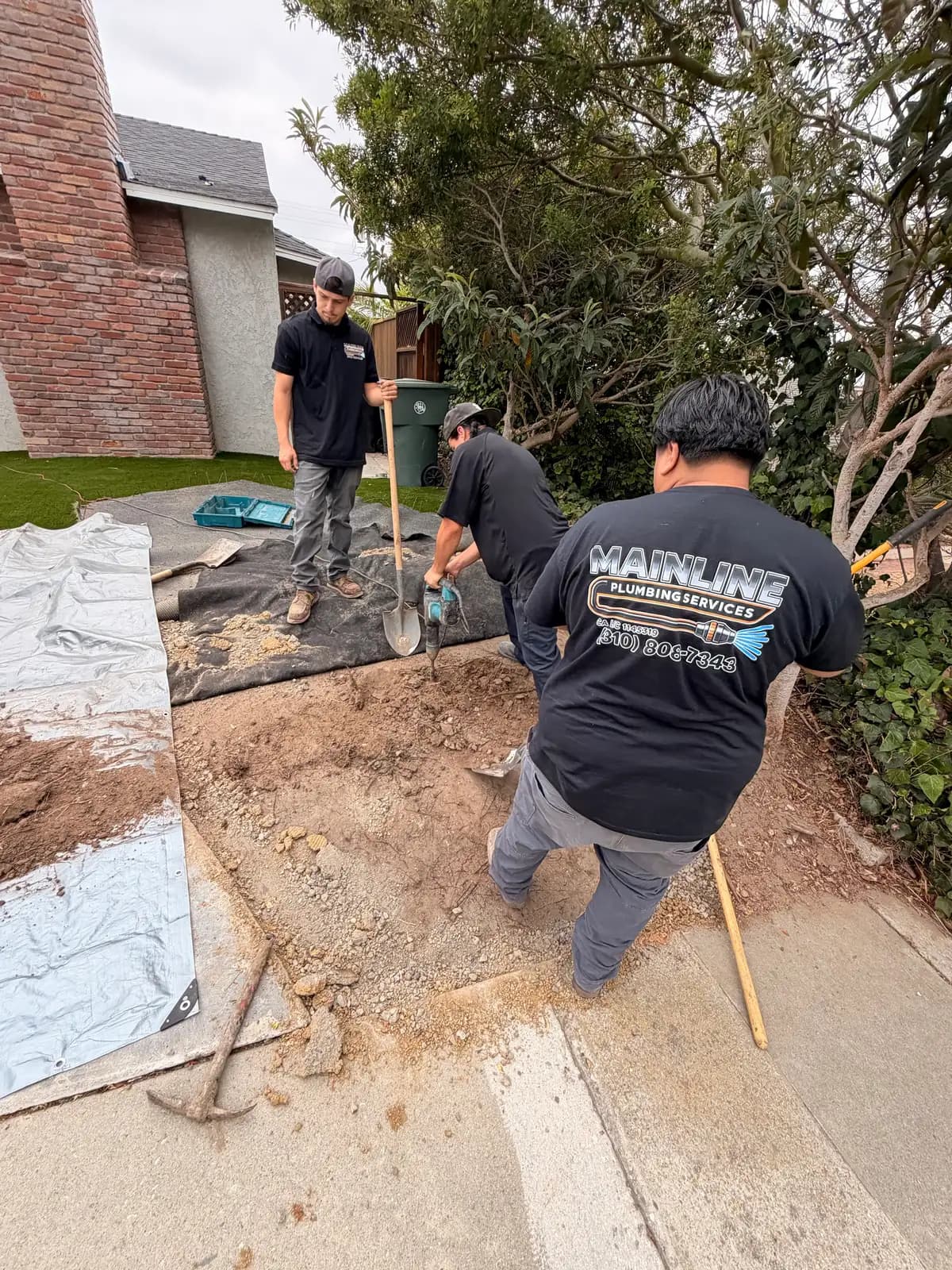
We've been doing [general plumbing service in Gardena](/service-areas/gardena) for years out of our Lomita headquarters, which puts us roughly 15 to 20 minutes from most Gardena addresses depending on traffic. We're familiar with the housing stock — the post-war slab construction in West Gardena, the slightly older pre-war holdouts near the Western Avenue Corridor, and the mix of original galvanized and subsequent patchwork repairs that characterize most homes in this city.
We're a licensed C-36 contractor (#901735) and we pull permits when the work requires them. We document existing conditions before we open anything, and we show camera footage rather than just reporting findings. Our 24/7 emergency dispatch targets a 60-minute response with no overtime fees — that applies in Gardena the same as it does everywhere else we work.
We're not the right fit for every job. But if you're a homeowner who's owned your Gardena property long enough to have real opinions about what good contractor behavior looks like, we'd rather earn that judgment through how we work than through how we pitch.
What to do next
If you're evaluating plumbing contractors for a Gardena home — whether it's a routine repair, a repipe decision, or a diagnostic on a system that's been giving you problems — the best starting point is a conversation about what you're seeing and what you need to know. Not a sales call. An actual diagnostic conversation.
Call us at (310) 808-7343. We're available 24/7 for emergencies and during normal business hours for non-emergency consultations. If you want to start with written information about what we do in Gardena specifically, the [general plumbing service area page for Gardena](/service-areas/gardena) covers scope, response expectations, and how to request a visit.
Tags
Related Services