A permit is not a formality. It is a legal record that a licensed contractor performed regulated work on your property, that the work was inspected by a city official, and that it met the code in effect at the time. When a plumber offers to skip it — or when a homeowner asks them to — both parties are trading a short-term convenience for a long-term liability that doesn't surface until the worst possible moment.
Most plumbing work that involves opening walls, replacing drain lines, installing a water heater, modifying gas supply, or replacing a sewer lateral requires a permit in every South Bay city we serve. That covers Torrance, Redondo Beach, Carson, Lomita, Inglewood, and the other 11 cities in our service area. The threshold isn't gray. Swapping a faucet fixture does not require a permit. Replacing the gas line serving that faucet does.
This post covers what a permit actually accomplishes, which specific project types require one, and what unpermitted work looks like on a title report — and to a buyer's inspector — when you eventually sell.
What a permit actually does
When a licensed contractor pulls a permit, they are submitting the scope of work to the local building department before it begins. The department assigns an inspector who reviews the work at one or more stages — typically rough-in before walls close, and final after installation is complete. The inspector signs off only if the installation meets current code.
That sign-off creates a document trail. The permit number attaches to your property's record at the assessor's office and the building department. It means that if something fails later — a water heater flue that leaks combustion gases, a gas line with a pressure drop, a sewer lateral that backs up — there is a documented inspection record that the work was code-compliant when it was done. That documentation protects you.
Inspectors also catch real problems. We have seen improperly vented water heaters, gas lines with wrong-grade fittings, and drain lines with reversed slope that passed the homeowner's visual inspection but would have failed immediately under load. An inspector's eye is not redundant — it is a second check by someone who has no financial stake in whether the job clears.
Which plumbing jobs require a permit
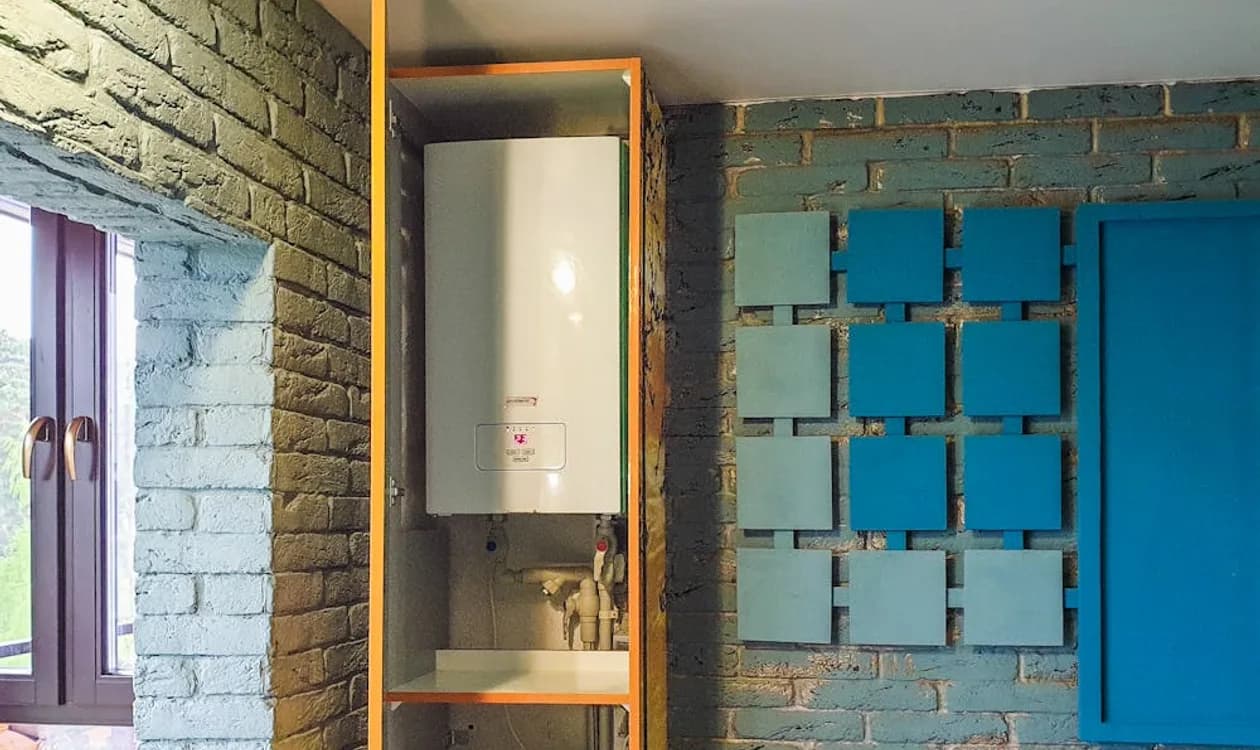
Water heater replacements require a permit in every South Bay jurisdiction without exception. The permit covers the installation, the flue or venting path, the seismic strap, the T&P relief valve, and the gas or electrical connection. A plumber who installs a water heater without a permit is skipping a safety inspection on a combustion appliance. That should end the conversation about whether to use them.
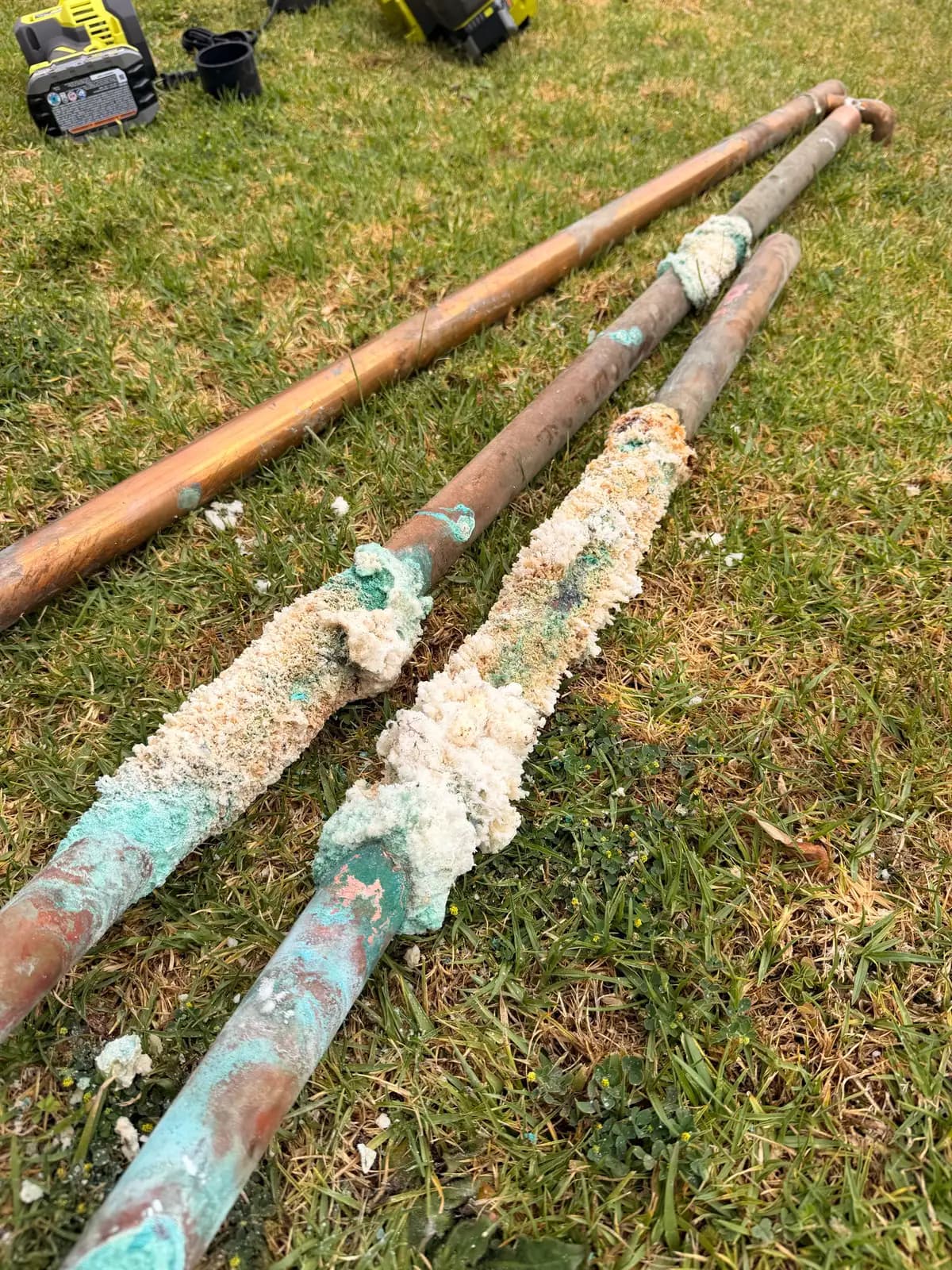
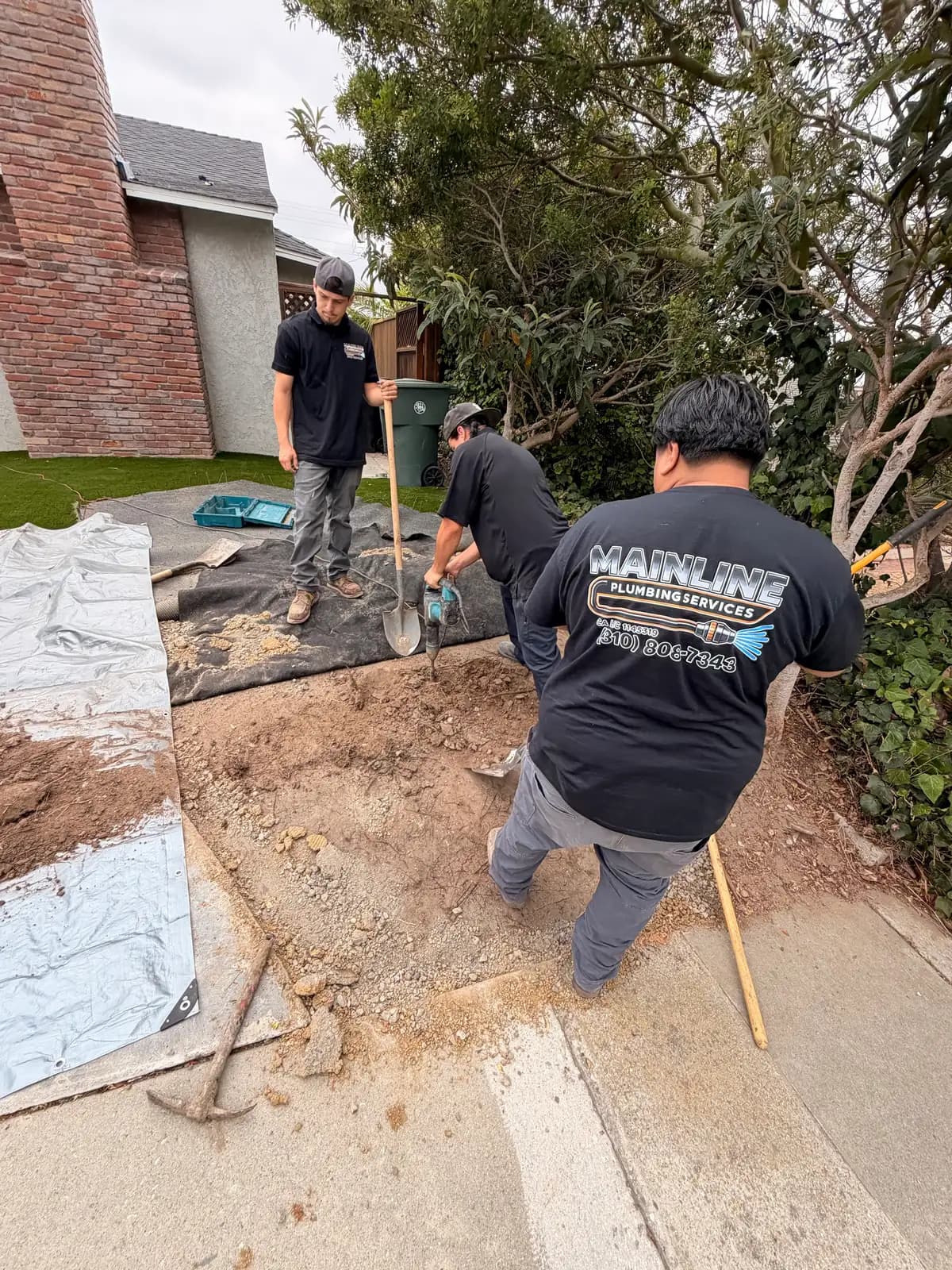
Sewer lateral repair or replacement, whether trenched or trenchless, requires a permit and a final inspection before the trench closes or the cap sets. Torrance splits this into two permits depending on where the work lands: an "Alter Building Sewer" plumbing permit covers the run from the building to the property line, and a Construction and Excavation permit covers anything in the public right-of-way. A job that spans both — common, since Torrance holds owners responsible clear to the public main — needs both. Permits go through Torrance Community Development at (310) 618-5910. An unpermitted lateral repair in Walteria or Hollywood Riviera surfaces later as unpermitted work on the seller's disclosure, which is a worse problem than the permit fee.
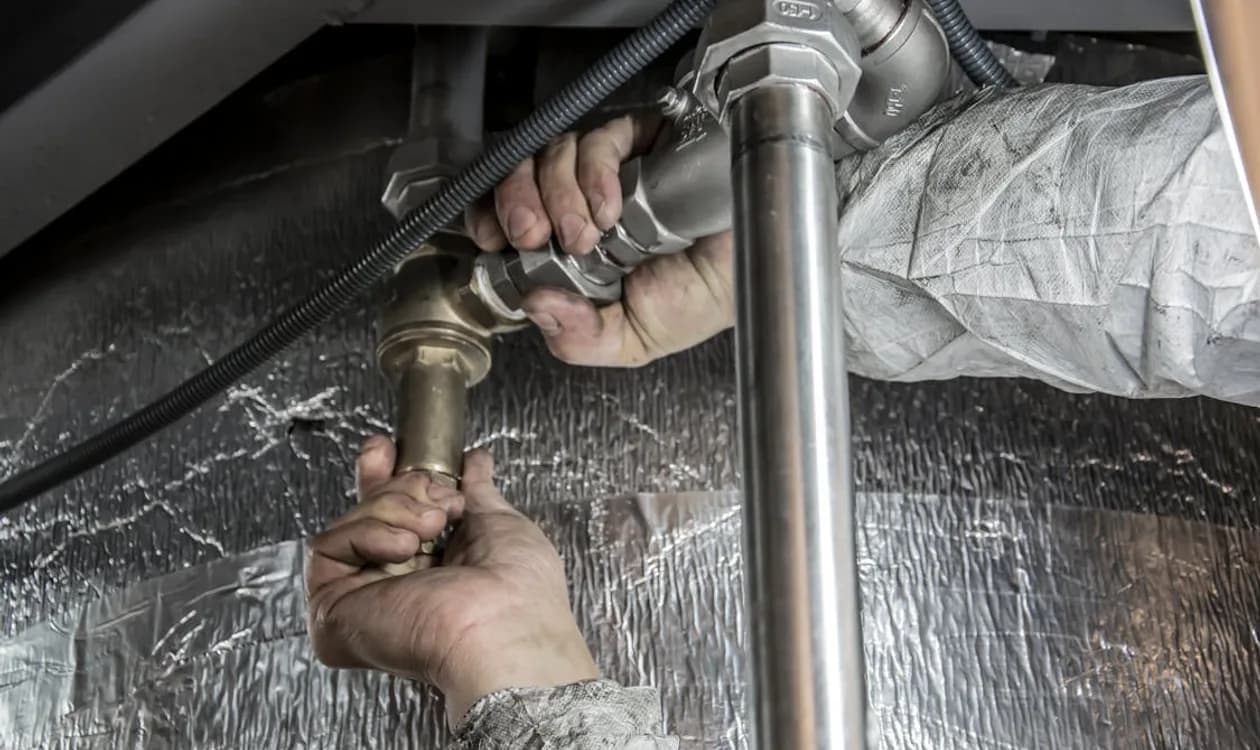
Full or partial repipes of hot and cold supply lines require a permit. Gas line work — any new run, relocation, or pressure test — requires a permit. Drain line replacements below the slab require a permit. The practical rule: if it touches supply, drain, or gas inside or under the structure, assume a permit is required and confirm otherwise, not the other way around.
What unpermitted work looks like at resale
A buyer's home inspector does not check permit history — but a real estate agent running due diligence will pull the building permit history as part of standard disclosure. Unpermitted work shows up as an absence: a water heater installed three years ago with no corresponding permit on record. Buyers and their agents know what that means. It signals either an unlicensed contractor or a licensed one who cut corners, and it raises a reasonable question about what else wasn't done to code.
In practice, unpermitted work creates three outcomes at closing. First, the buyer can demand that the work be permitted retroactively, which requires an inspection of completed work — sometimes involving opening walls that are already finished. Second, they can negotiate a price reduction to account for the unknown liability. Third, some buyers simply walk. In high-value markets like the Tree Section of Manhattan Beach or Belmont Shore in Long Beach, sellers do not have the leverage to absorb either of the first two outcomes quietly.
Retroactive permits are not always available. Some jurisdictions require the work to be exposed for inspection. If drywall went up over an uninspected repipe, the city may require selective demolition before they will sign off. The cost of that demo and re-close is almost always more than the permit fee was originally.
The insurance angle most homeowners miss
Homeowner's insurance policies include language about work performed without required permits. If a water heater without a permit fails and causes water damage, your insurer has grounds to deny the claim or reduce the payout. The same applies to a gas line leak from unpermitted work. This isn't hypothetical — it's a standard policy exclusion, and adjusters do check permit history on large claims.
For rental properties, the exposure is compounded. An unpermitted gas line in a Hawthorne rental on Bodger Park or in a Gardena fourplex near the Western Avenue Corridor doesn't just affect your personal insurance — it affects habitability, liability to tenants, and your standing with the city if a code complaint is filed. Licensed [general plumbing](/services) work with a pulled permit is the only version that is fully insurable.
Why some plumbers skip permits — and why that's your problem
The reasons are straightforward: permit fees cost money, inspection scheduling adds days to a job timeline, and some work fails inspection and requires correction before final sign-off. A plumber who skips permits avoids all three. They can complete a job faster, charge less, and move on. The liability for the unpermitted work stays with the property — which means it stays with you.
Unlicensed contractors cannot legally pull permits in California. A C-36 license is required to pull a plumbing permit in any of the 16 cities we serve. If someone is offering to do the job without a permit, there are two possibilities: they are licensed and choosing not to pull one, or they are not licensed at all. Neither scenario is acceptable on work that attaches to your property record.
Mainline is Licensed C-36 #901735. Every permit-required job we do gets a permit pulled before work begins. If a city's inspection queue adds a day to the schedule, that is the schedule. The [general plumbing services](/services/general-plumbing) we perform are documented from start to final sign-off.
What the permit process actually costs and takes
Permit fees vary by jurisdiction and project type. A water heater permit in most South Bay cities runs $100–$250. A sewer lateral permit is typically $150–$350. A whole-home repipe permit is higher, often $300–$600, but it covers a final inspection that confirms every connection is watertight before the walls close. These numbers are not hidden costs — they are line items on a legitimate estimate.
Inspection turnaround in most South Bay cities is 1–5 business days for standard residential work. Some cities offer same-day or next-day scheduling for water heater replacements, which are the most common permit-required job. The delay is real but manageable. It does not justify skipping the process on work that will follow your property for decades.
For homeowners in Lomita, Torrance, or Carson who need [permitted general plumbing in their area](/service-areas/torrance), the permit process is part of what we quote and coordinate — not something we hand off to you to figure out after the fact.
What to do next
If you are planning a water heater replacement, repipe, sewer repair, or gas line project, ask your plumber directly: will you pull the permit, and can I see it before work begins? If the answer is no, or if the explanation involves saving you time or money, that is not a trade worth making.
If you have unpermitted work on a property you plan to sell, address it before listing. A retroactive permit is harder and sometimes more expensive than an original one, but it is less expensive than a failed inspection or a price reduction negotiated from a position of weakness.
The Mainline crew handles permit coordination as part of every qualifying job across our 16 South Bay cities. Call us at (310) 808-7343 to schedule a scope or get a permit-inclusive estimate. We do not offer an unpermitted option.
Tags