A 3am call from a tenant is almost always the result of a failure that was visible 12 to 18 months earlier — if anyone had looked. Landlords across the South Bay who own 1950s tract homes in Gardena's Moneta neighborhood, post-war duplexes in Hawthorne's Hollyglen, or aging beach rentals in Hermosa Beach's Sand Section are managing properties where the original galvanized supply lines and clay tile laterals have been quietly degrading for decades. The plumbing doesn't fail suddenly. It announces itself first.
This checklist is built around a preventive maintenance cycle — annual, every 3 years, every 5 years — calibrated to the housing stock and failure modes common across the 16 cities we serve. The math is straightforward: a scheduled water heater inspection costs a fraction of what a flooded unit costs after a failed pressure relief valve. A $250 sewer scope every 5 years costs less than one emergency rooter call at midnight, plus the liability exposure of a backed-up sewer in an occupied unit.
Annual tasks: the items that actually prevent after-hours calls
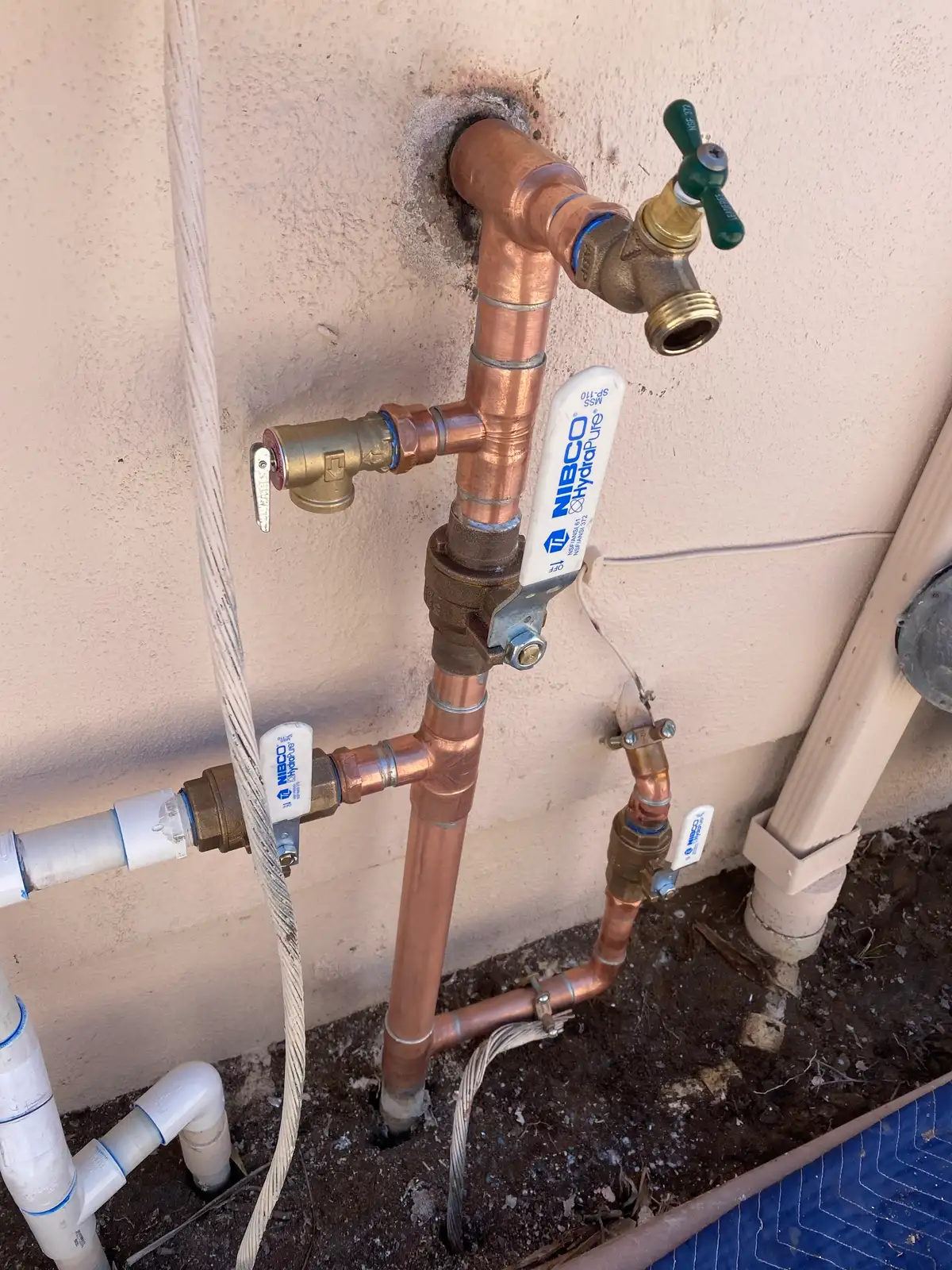
Every 12 months, run through four checks on every rental unit. First, locate and exercise every shutoff valve on the property — angle stops under sinks and toilets, the main house shutoff, and any inline valve at the water heater. Valves that haven't moved in 5 years frequently seize or leak when finally operated during a real emergency. Turn each one fully off, then back on. If it won't budge or drips at the stem, replace it before it becomes the problem.
Second, inspect the water heater. Check the anode rod if accessible, look for sediment accumulation signs (rumbling under load, slow recovery), verify the temperature-pressure relief valve is operational, and confirm the unit is within its expected service window. A standard tank water heater in a South Bay rental — where coastal humidity and sediment loads run higher than inland — realistically delivers 8 to 12 years of reliable service. Know where yours sits on that timeline.
Third, walk every hose bib on the property. In cities like Redondo Beach and El Segundo, salt-air accelerates brass valve seat corrosion. A hose bib that drips constantly at the packing nut is not a minor annoyance — it runs up the water bill (which may be your expense), can indicate deeper supply line pressure issues, and will fail catastrophically if it freezes during a cold snap, rare as those are. Fourth, check under every sink cabinet for evidence of slow drain leaks — mineral staining, soft particleboard, or musty odor. Tenants often don't report slow drips. They adapt around them.
Shutoff drills: what to actually do at move-in
Most tenants in South Bay rentals have never located a main shutoff valve in their lives. During move-in walkthrough, physically walk to the main shutoff — typically in a front yard meter box, a utility closet, or along the garage wall — and have the tenant watch you close and reopen it. Show them how to shut off the toilet supply line angle stop. This 4-minute conversation prevents a call where a tenant can't describe what's happening because they're watching water spread across the floor while the source runs unchecked.
Leave a printed card inside the under-sink cabinet listing shutoff valve locations, your emergency number, and the property address including unit number. Tenants in emergencies frequently can't remember their own address when panicked. This isn't excessive — it's the kind of preparation that turns a contained incident into a contained incident instead of a full-unit water loss claim.
The 3-year interval: anode rods and fixture wear
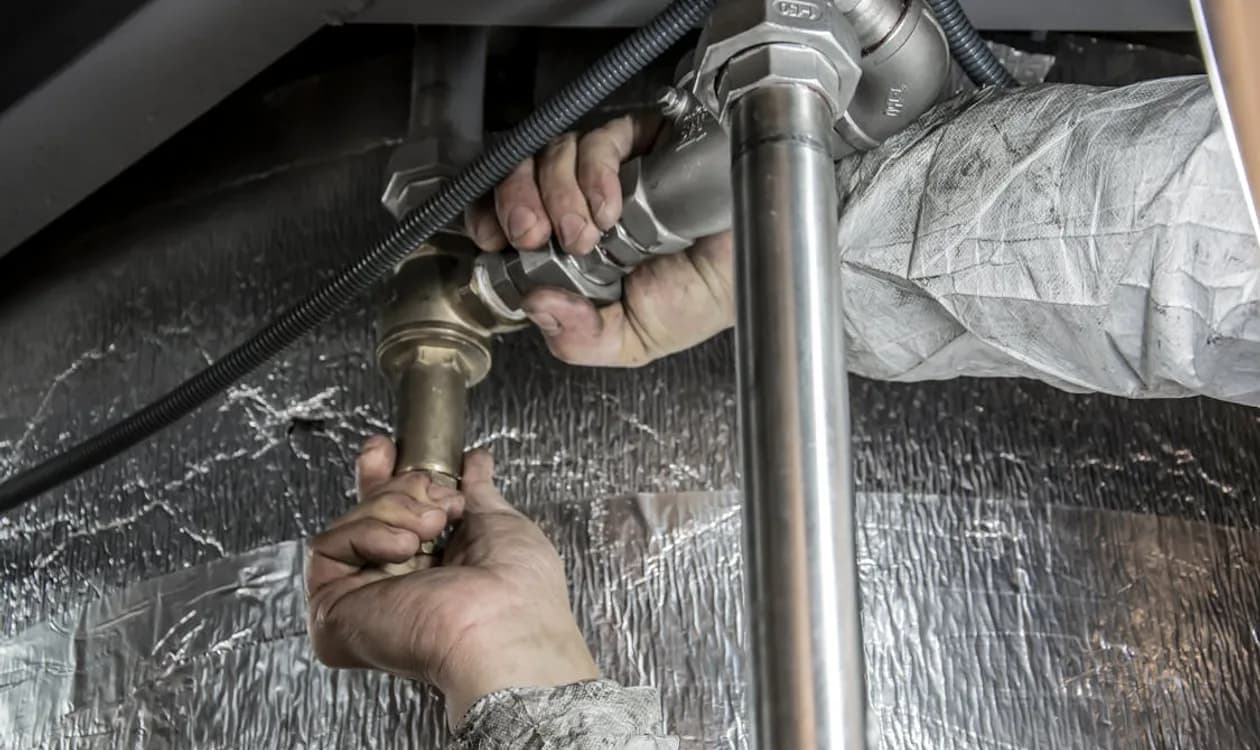
Every 3 years, pull the anode rod from the water heater in every coastal rental. This applies directly to properties in Redondo Beach, Hermosa Beach, Manhattan Beach, and San Pedro — where salt-air humidity accelerates corrosion inside the tank even when the exterior looks fine. An anode rod that's more than 50% depleted means the tank steel is now the sacrificial material. A $40 rod replacement at year 3 versus a $1,200 to $2,000 tank replacement at year 8 is not a close comparison.
At the 3-year mark, also assess toilet hardware. Flapper valves, fill valves, and flush handles in rental use wear faster than in owner-occupied units. A running toilet in a unit where the tenant pays a flat utility allowance is invisible until the bill lands on you. Replace toilet internals proactively — a complete rebuild kit runs $15 to $30 per toilet — rather than waiting for a tenant to report a running toilet they've been ignoring for 4 months.
Check all aerators and showerheads at this interval as well. Clogged aerators are a common source of low-pressure complaints that generate unnecessary service calls. In high-TDS water areas like parts of Gardena and Carson, mineral buildup is visible within 18 to 24 months. Clean or replace them on a schedule and document it — it protects you when a tenant claims the property has a water pressure problem.
Sewer scope every 5 years: the single highest-value item on this list
A [sewer camera inspection](/services/trenchless/camera-inspection) on a rental property every 5 years is the most cost-effective line item in any landlord maintenance program. It documents the condition of the lateral at a specific point in time, identifies root intrusion before it becomes a blockage, and catches offset joints and cracks before a backup contaminates the lower floor of a duplex or multi-unit. In older South Bay housing stock — the 1950s slab homes in Lawndale, the pre-WWII bungalows in Old San Pedro — original clay tile and Orangeburg laterals are still common. These materials have a finite service window and fail without warning when stressed.
For landlords in Torrance specifically, a scope history is an asset at sale. Torrance requires no lateral inspection at transfer, but it does hold the owner responsible for the entire lateral including the connection to the public main — so a buyer's scope that turns up root intrusion becomes a repair request with no cost-sharing to fall back on. Landlords with a documented scope history are in a far stronger position than those scoping for the first time under deadline pressure. If you own a rental in Walteria or Hollywood Riviera and are even considering a future sale, regular scoping protects your exit timeline.
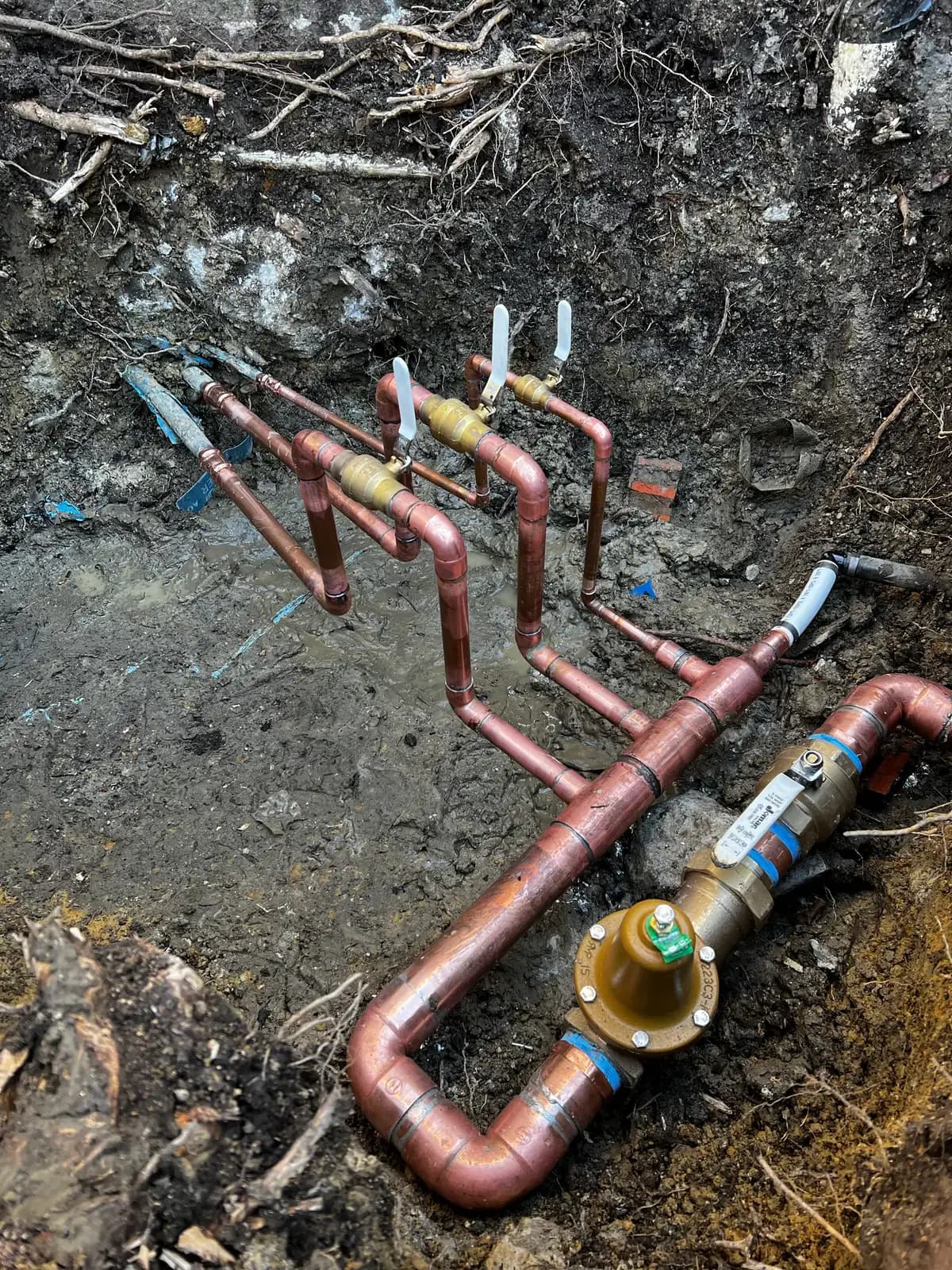
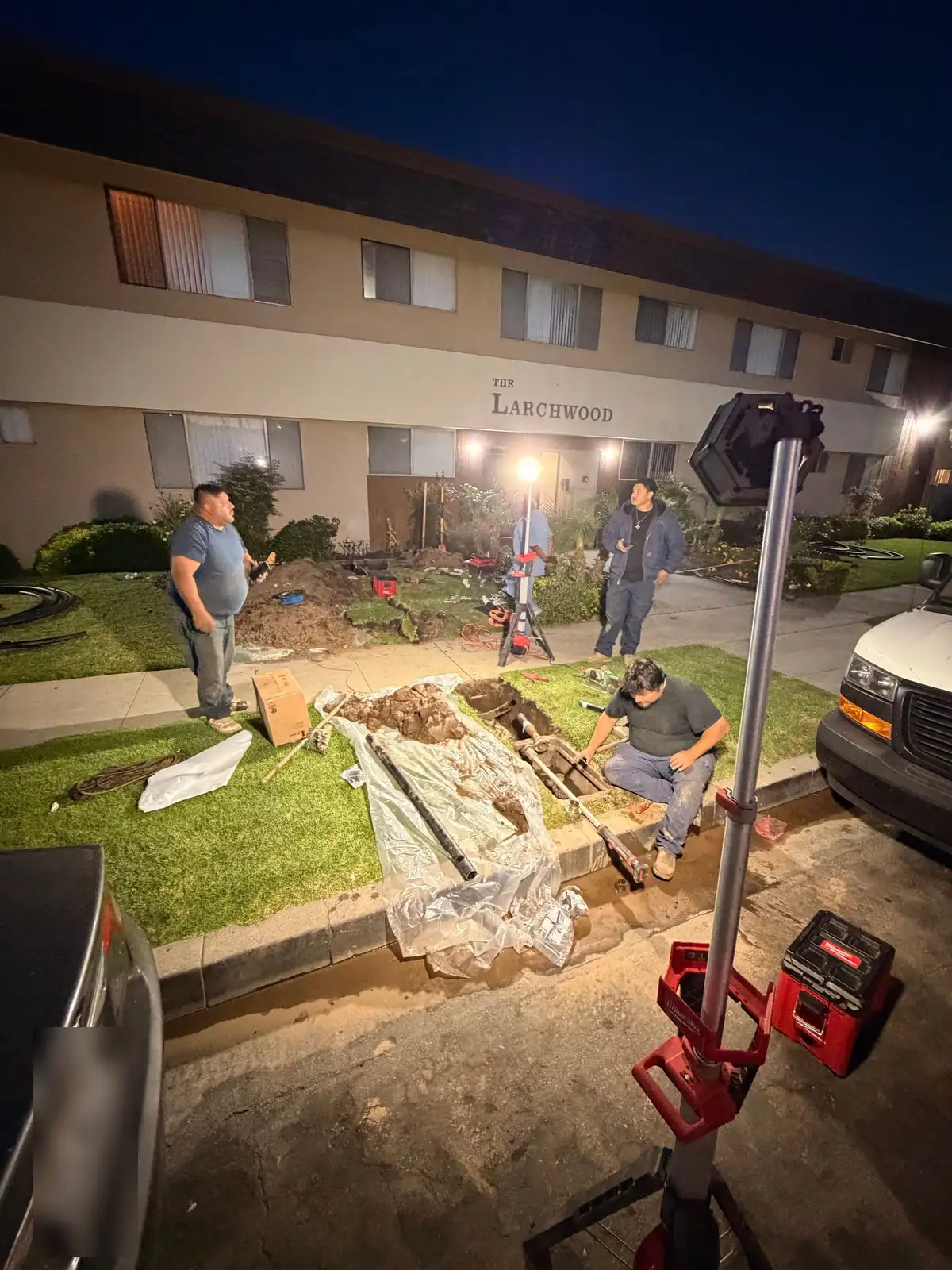
When a scope does reveal a problem — root intrusion at a joint, a sagging low point accumulating debris — the fix options are significantly better before it becomes an emergency. A targeted [trenchless sewer repair](/services/trenchless/sewer-repair) on an isolated section of lateral costs less and causes less disruption than an emergency excavation after a full blockage with a backed-up unit.
Fixture replacement schedule: stop reactive spending
Fixtures in rental properties don't last as long as manufacturer claims suggest. Tenant use is heavier, maintenance is less attentive, and many South Bay rentals still have original fixtures from their 1950s and 1960s build-out. Build a replacement schedule rather than reacting to individual failures. Garbage disposals in heavy-use units: 8 to 10 years. Standard ball-valve faucets under daily rental use: 10 to 12 years. Toilet tanks with original internal hardware: rebuild every 3 years, full replacement at 20+ years or first crack.
For a multi-unit building in a city like Inglewood or Hawthorne — where the active renovation market means you're competing for tenants who notice property quality — proactive fixture upgrades also reduce vacancy. A rental with a 1970s faucet that drips communicates that deferred maintenance is the norm. That affects your tenant pool and your lease renewal rate. A [general plumbing service call](/service-areas/hawthorne) that combines fixture replacements across multiple units on a single visit is considerably more efficient than sending a plumber back for each individual failure.
Cost vs. the emergency premium
The financial case for a structured maintenance program is not complicated. Emergency plumbing service — a midnight call for a sewer backup, a weekend burst supply line, a failed water heater flooding a unit — carries a premium over scheduled work. That premium typically runs 30 to 50% above standard labor rates at other contractors, and you're paying it while also managing a tenant relations problem and a potential property damage claim. A maintenance program's annual cost across a typical South Bay single-family rental runs $400 to $700 per year — annual inspection, valve service, and minor hardware replacements — against emergency call minimums that can exceed that in a single event.
The harder cost is the one that doesn't show up on an invoice. A tenant in a unit that backs up or floods documents the event. That documentation has consequences in a state with strong tenant protections. Deferred maintenance that leads to habitability conditions is not a billing problem — it's a liability problem. The maintenance program is also the paper trail that demonstrates the property was properly managed.
What to do next
If you own rental property in the South Bay and don't have a documented maintenance cycle in place, the starting point is a full baseline inspection — water heater condition, shutoff valve function, sewer scope if it's been more than 5 years, and a fixture audit. We work across 16 South Bay cities from our Lomita headquarters, dispatching 24/7 with no overtime fees for emergencies, and we hold a licensed C-36 contractor license (#901735) for all plumbing work.
To schedule a rental property plumbing inspection or discuss a maintenance program for a multi-unit building, call (310) 808-7343. We work with both individual landlords and property management companies. The inspection findings are documented — so if anything comes up with a tenant or a future buyer, you have a record that reflects how the property was maintained.
Tags